
Table of Contents
- Quick Answer
- What Is a Private Label Streetwear Manufacturer?
- Why Many Startup Brands Choose Private Label
- Private Label vs Custom Streetwear Manufacturing
- Step-by-Step Private Label Production Process
- Customization Options in Private Label Streetwear
- Costs and MOQ Expectations
- Pros and Cons of Private Label Manufacturing
- Common Mistakes Brands Make
- Private Label Production Checklist
- FAQ
- Conclusion
- Internal Reference
Quick Answer
A private label streetwear manufacturer produces clothing using existing garment templates that brands customize with their own logos, labels, and designs.
The private label process usually includes:
- selecting base garments
- adding branding and customization
- approving samples
- bulk production
- packaging and delivery
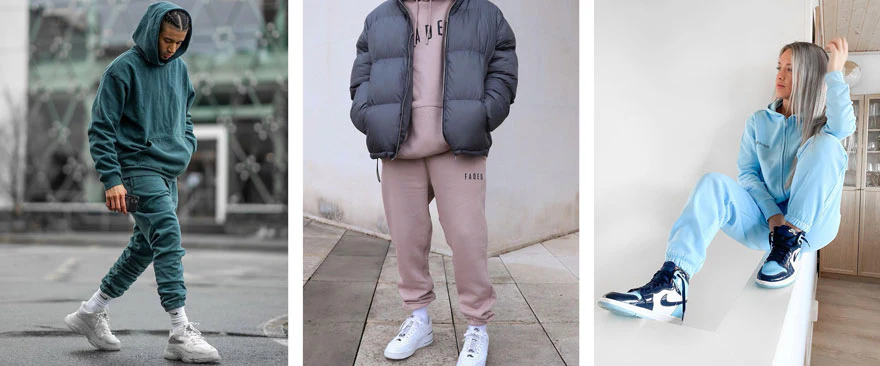
From my experience observing how new fashion brands launch, private label production is one of the fastest and lowest-risk ways to enter the streetwear market.
What Is a Private Label Streetwear Manufacturer?
A private label streetwear manufacturer provides ready-made garment templates that brands can customize.
Instead of creating garments from scratch, brands modify existing styles such as:
- hoodies
- T-shirts
- sweatshirts
- joggers
Typical customization options include:
- screen printing
- embroidery
- custom labels
- branded packaging
Fashion industry resources such as Business of Fashion often highlight how private label production allows emerging fashion brands to launch collections quickly.
Why Many Startup Brands Choose Private Label
Private label manufacturing is especially popular among startup streetwear brands.
Key reasons include:
Lower Startup Costs
Since garment patterns already exist, brands avoid development costs.
Faster Production
Private label factories can produce garments more quickly than fully custom manufacturers.
Simpler Product Development
Designing around existing templates reduces technical complexity.
Streetwear platforms like Hypebeast often showcase new brands that start with simple logo-based garments before expanding into more complex designs.
Private Label vs Custom Streetwear Manufacturing
Understanding the difference between these two production models helps brands make better decisions.
| Feature | Private Label | Custom Manufacturing |
|---|---|---|
| Product development | uses existing templates | built from scratch |
| Startup cost | lower | higher |
| production timeline | faster | slower |
| design flexibility | moderate | very high |
Many streetwear brands begin with private label production before transitioning to custom manufacturing.
Step-by-Step Private Label Production Process
The private label production workflow typically includes several stages.
Step 1: Selecting Base Garments
Brands choose from existing products such as:
- hoodies
- oversized T-shirts
- sweatshirts
Factories often offer different fabric weights and color options.
Step 2: Branding and Design Customization
At this stage brands add design elements like:
- logo printing
- embroidery
- woven labels
- hang tags
Step 3: Sampling
Manufacturers create samples to confirm:
- garment quality
- print accuracy
- overall fit
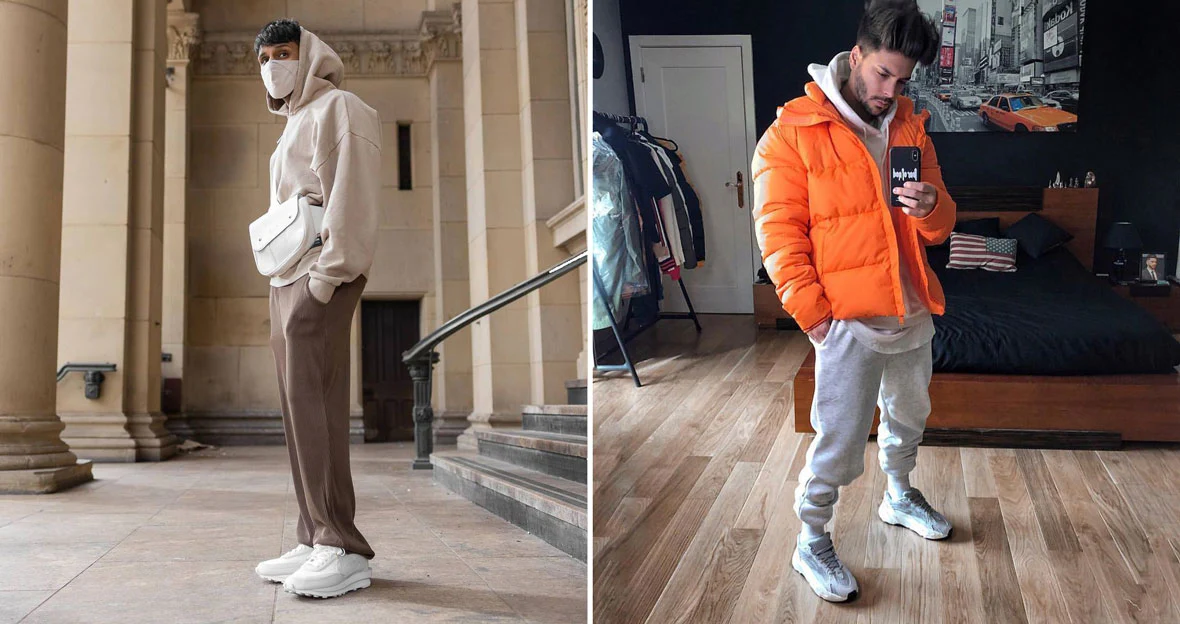
Sampling ensures the final product meets expectations.
Step 4: Bulk Production
After sample approval, factories begin large-scale manufacturing.
Production usually includes:
- cutting
- sewing
- printing
- finishing
Step 5: Packaging and Shipping
Finished garments are packaged and prepared for delivery.
Packaging options may include:
- branded polybags
- custom labels
- branded boxes
Industry platforms such as Highsnobiety often highlight how packaging contributes to streetwear brand identity.
Customization Options in Private Label Streetwear
Although private label garments start from templates, brands still have many customization possibilities.
| Customization Type | Example |
|---|---|
| logo printing | screen printing graphics |
| embroidery | stitched brand logos |
| labels | woven neck labels |
| packaging | branded polybags |
These details help brands differentiate their products.
Costs and MOQ Expectations
Private label manufacturing typically requires lower investment than custom production.
Typical MOQ ranges include:
| Production Type | Typical MOQ |
|---|---|
| private label production | 50–150 units |
| custom manufacturing | 100–300 units |
| traditional factories | 300–1000 units |
Lower MOQs make private label manufacturing attractive for startup brands.
Pros and Cons of Private Label Manufacturing
Understanding the advantages and limitations helps brands make informed decisions.
| Pros | Cons |
|---|---|
| faster product launch | limited design uniqueness |
| lower startup cost | fewer customization options |
| simpler development process | many brands may use similar templates |
For many startups, the benefits outweigh the limitations during the early stages.
Common Mistakes Brands Make
Many streetwear startups make avoidable production mistakes.
Overcomplicating the First Collection
Starting with simple garments usually leads to better results.
Ignoring Fabric Quality
Even private label garments should use durable materials.
Producing Too Many Products
Launching with too many designs increases financial risk.
A focused collection often performs better.
Private Label Production Checklist
Before starting production, confirm the following.
| Task | Completed |
|---|---|
| base garment selected | ✓ |
| branding finalized | ✓ |
| sample approved | ✓ |
| MOQ confirmed | ✓ |
| production timeline clear | ✓ |
This checklist helps brands manage production efficiently.
FAQ
What is private label clothing?
Private label clothing is manufactured by a factory but sold under your brand name.
Is private label good for streetwear startups?
Yes. It offers lower startup costs and faster production timelines.
How long does private label production take?
Most production cycles take 3–6 weeks, depending on order size.
Can brands switch to custom manufacturing later?
Yes. Many brands begin with private label production and later develop custom garments.
Conclusion
Private label streetwear manufacturing allows brands to launch products quickly while minimizing development complexity.
By starting with existing garment templates and focusing on branding and design details, fashion startups can test the market and gradually expand their collections.
Understanding the private label production process helps brands make smarter manufacturing decisions.
Internal Reference
If you're exploring private label streetwear production for your brand, learn more here:
👉 Fuki Apparel – Private Label Streetwear Manufacturing
Working with experienced manufacturing partners can help transform brand ideas into high-quality streetwear products.
