
Launching a clothing brand has never been easier—but finding the right private label clothing manufacturer is still one of the biggest challenges entrepreneurs face.
I've worked with startup brands, established fashion labels, and apparel sourcing teams for years, and I've learned one important lesson:
Your manufacturer has more influence on your brand's success than almost any marketing campaign.
A reliable factory delivers consistent quality, helps improve your products, and supports long-term growth. A poor supplier can lead to delays, quality issues, and unhappy customers.
In this guide, I'll walk you through everything you need to know about choosing a private label clothing manufacturer in 2026, including how private label works, where to source, common mistakes to avoid, and how professional brands evaluate suppliers.
Table of Contents
- Quick Answer
- What Is a Private Label Clothing Manufacturer?
- Why More Brands Choose Private Label
- How to Choose the Right Manufacturer
- Questions You Should Always Ask
- Red Flags to Avoid
- China vs Other Manufacturing Countries
- Recommended Resources
- FAQ
- Final Thoughts
Quick Answer
A private label clothing manufacturer produces garments that are customized with your own logo, labels, packaging, and branding.
Private label manufacturing is ideal for brands that want to:
- Launch quickly
- Build their own identity
- Control product quality
- Scale production over time
- Offer exclusive collections
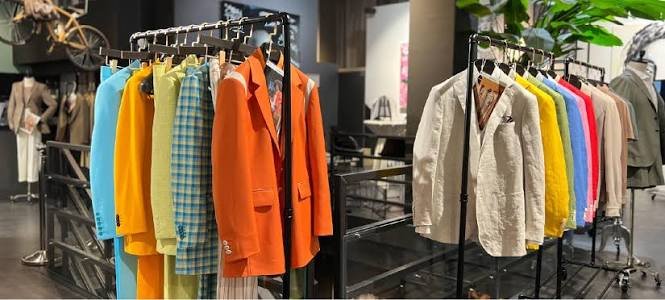
The key is choosing a factory with proven production experience, transparent communication, and reliable quality control.
What Is a Private Label Clothing Manufacturer?
A private label manufacturer creates clothing that is sold under your brand name, not theirs.
Unlike wholesale suppliers selling finished products, private label factories allow you to customize nearly every aspect of a garment, including:
- Fabric
- Fit
- Color
- Labels
- Hangtags
- Packaging
- Printing
- Embroidery
From my experience, this is the best option for brands that want long-term growth instead of competing on generic products.
Why More Brands Choose Private Label
Private label manufacturing has become the preferred choice for modern fashion businesses.
Better Brand Identity
Customers remember unique brands—not generic products.
Private labeling allows you to create a recognizable identity that competitors can't easily copy.
Higher Profit Margins
Owning your own brand means you're building value instead of selling someone else's products.
Greater Product Control
You decide:
- Materials
- Construction
- Fit
- Branding
- Packaging
That flexibility helps create a consistent customer experience.
Easier Scaling
Once your production process is established, it's much easier to expand into new products and markets.
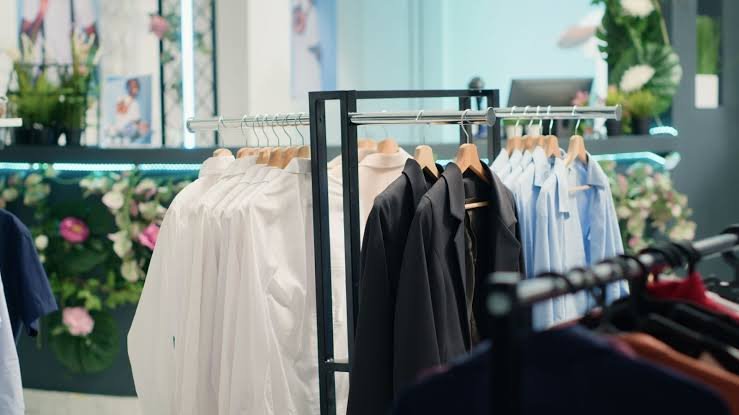
How to Choose the Right Manufacturer
Choosing a factory isn't just about finding the lowest price.
I recommend evaluating suppliers using these criteria:
| Factor | Why It Matters |
|---|---|
| Experience | Reduces production risks |
| MOQ | Fits your business stage |
| Sampling | Confirms quality before bulk production |
| Communication | Prevents misunderstandings |
| Quality Control | Ensures consistent products |
| Lead Time | Keeps launches on schedule |
A professional manufacturer should be able to explain every stage of production clearly.
Check Their Product Experience
Not every factory specializes in every product.
If you're building a streetwear brand, choose a manufacturer experienced with:
- Heavyweight hoodies
- Oversized T-shirts
- Cargo pants
- Washed garments
- Premium fleece
For example:
Fuki Apparel specializes in OEM and private label streetwear manufacturing for startup and growing fashion brands.
Request Samples First
Never place a bulk order without reviewing samples.
Evaluate:
- Fabric quality
- Stitching
- Printing
- Embroidery
- Measurements
- Overall finish
Small issues become much larger in production runs.
Questions You Should Always Ask
Before working with any supplier, ask these questions:
- What is your MOQ?
- How long does sampling take?
- What is the production lead time?
- Can you source custom fabrics?
- What quality control process do you follow?
- Can you produce custom labels and packaging?
- Have you worked with international brands before?
Their answers often reveal how experienced they really are.
Red Flags to Avoid
Over the years, I've seen many brands choose the wrong supplier because they focused only on price.
Avoid manufacturers that:
❌ Cannot provide real factory photos
❌ Refuse to send samples
❌ Offer unrealistically low prices
❌ Reply slowly or inconsistently
❌ Cannot explain their production process
❌ Have no quality control system
If something feels unclear during communication, it usually becomes a bigger problem later.
China vs Other Manufacturing Countries
| Country | Strengths | Best For |
|---|---|---|
| China | Customization, speed, complete supply chain | Private Label & OEM |
| Portugal | Luxury craftsmanship | Premium fashion |
| Turkey | Fast delivery to Europe | Mid-to-high-end apparel |
| Vietnam | Competitive pricing | Large production runs |
| Pakistan | Knitwear and basics | Budget manufacturing |
From my experience, China still offers the strongest balance of customization, pricing, and manufacturing capacity for most startup brands.
Recommended Resources
If you're planning to launch or expand a fashion brand, these resources can help:
Internal Resources
Industry Resources
FAQ
What is private label clothing?
Private label clothing is manufactured by a factory but sold under your own brand name.
Is private label better than wholesale?
If you want to build a long-term brand with unique products, private label is generally the better option.
What is a good MOQ for startups?
Many startup brands begin with 100–300 pieces per style, depending on the manufacturer.
How do I know if a manufacturer is reliable?
Review samples, check communication quality, ask about quality control, and verify previous production experience.
Should I visit the factory?
If possible, yes. A factory visit provides valuable insight into production capacity, organization, and quality standards.
Final Thoughts
From my experience, successful fashion brands don't simply choose the cheapest manufacturer—they choose the right long-term partner.
A reliable private label manufacturer should help you improve products, solve production challenges, and support your growth as your business expands.
Whether you're launching your first collection or scaling an established brand, investing time in supplier selection will pay dividends for years to come.
If you're looking for an experienced OEM and private label partner, Fuki Apparel offers custom streetwear manufacturing, low MOQ support, premium fabrics, and end-to-end production services tailored to modern fashion brands.
