
If you’ve searched “Is Undercover a streetwear brand?”, you’re probably trying to place it in the fashion world. Is it just another street label, or something closer to high fashion?
From my experience working with apparel brands and production teams, this confusion is common. Undercover looks like streetwear on the surface—but it behaves very differently behind the scenes.
This article explains exactly where Undercover fits and how you should think about it.
Table of Contents
- Quick Answer
- What “Streetwear” Really Means
- Undercover’s Roots
- Why Undercover Is More Than Streetwear
- Undercover vs Typical Streetwear Brands
- Is Undercover High Fashion or Streetwear?
- Who Should Wear Undercover?
- FAQ
- Conclusion
- Internal Reference
Quick Answer
Yes—Undercover is rooted in streetwear, but it is widely considered a designer streetwear brand rather than a typical street label.
It began in Tokyo’s underground scene, but today it operates like a fashion house with runway collections and conceptual design.
Official brand site:
Undercover
What “Streetwear” Really Means
Classic streetwear is usually defined by:
- graphic tees and hoodies
- youth culture and subcultures
- drop-based releases
- hype and community
Most streetwear brands are:
- trend-driven
- logo-focused
- fast-moving
- volume-oriented
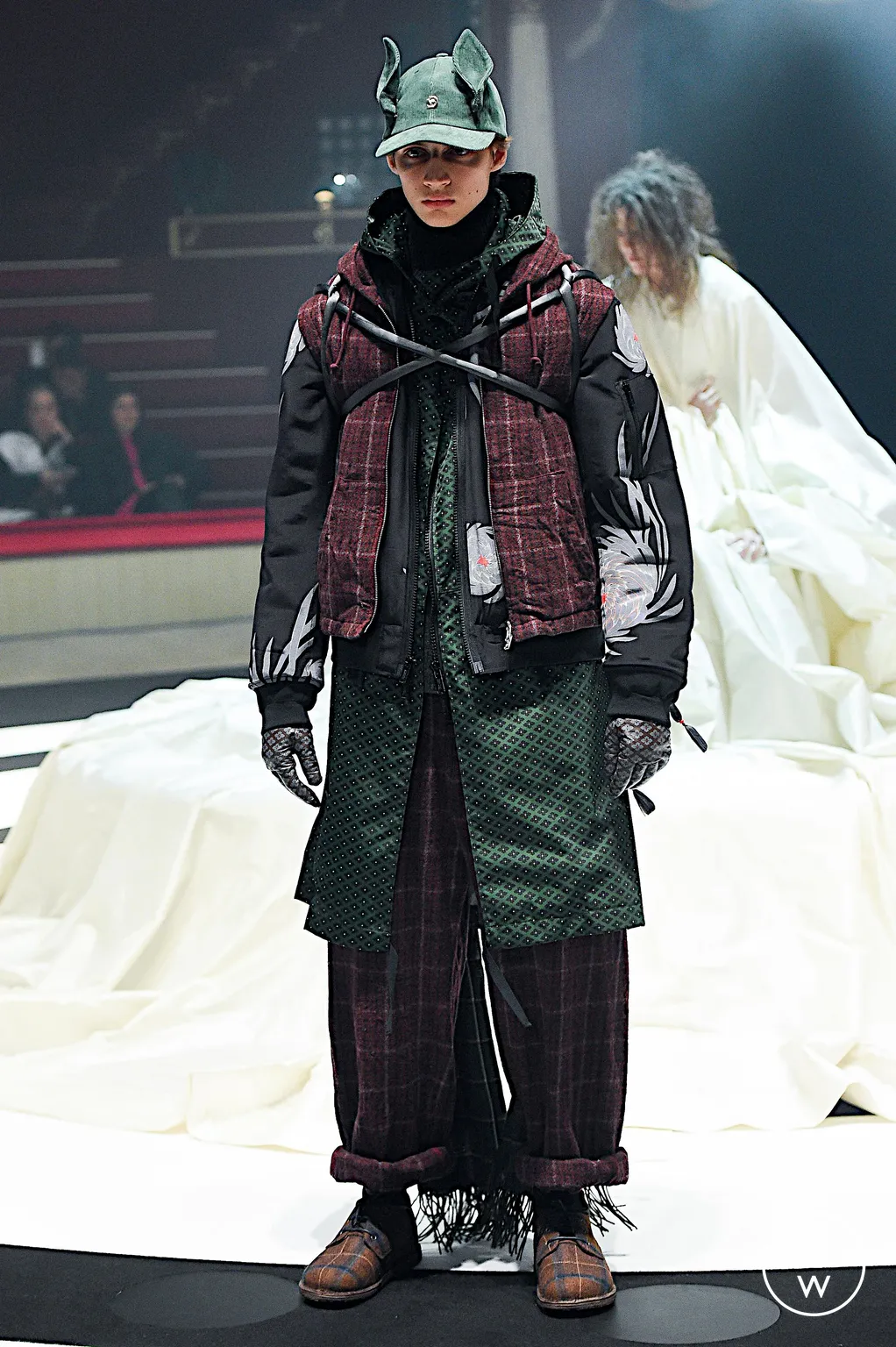
Undercover started in that world—but it evolved.
Undercover’s Roots
Undercover was founded in Tokyo by Jun Takahashi, deeply influenced by:
- punk music
- DIY culture
- underground art
- Harajuku street style
Early Undercover pieces were streetwear.
They spoke the language of youth culture.
But Jun Takahashi never stopped there.
Why Undercover Is More Than Streetwear
Unlike most streetwear brands, Undercover:
- presents full runway collections
- builds every season around a narrative
- uses complex pattern-making
- experiments with fabrics and form
- evolves each year conceptually
From a production standpoint, Undercover behaves like a fashion house:
- more sampling cycles
- higher development cost
- slower, intentional timelines
- deeper design logic
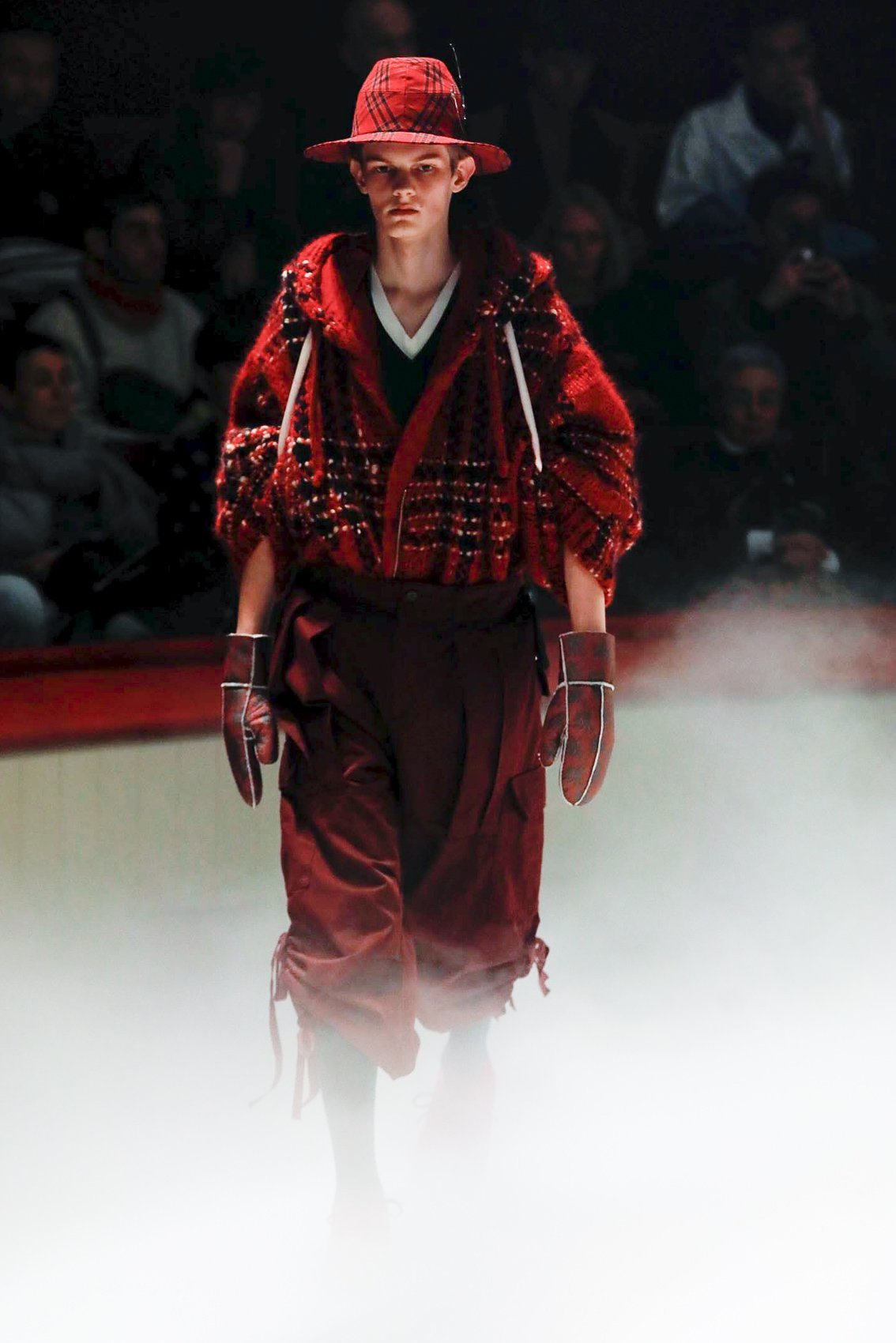
That’s not how streetwear usually works.
Undercover vs Typical Streetwear Brands
| Aspect | Undercover | Typical Streetwear |
|---|---|---|
| Creative lead | Single designer | Team or trend-led |
| Output | Runway collections | Drops |
| Design depth | Conceptual | Graphic-driven |
| Construction | Designer-level | Basic |
| Longevity | Long-term vision | Trend cycles |
Undercover may look like streetwear—but it’s built like high fashion.
Is Undercover High Fashion or Streetwear?
The most accurate answer is:
Undercover is high fashion expressed through streetwear language.
It carries:
- the soul of street culture
- the structure of a fashion house
- the mindset of an artist
From my perspective, this hybrid identity is exactly why Undercover matters.
It bridges two worlds:
- street
- and runway
Who Should Wear Undercover?
Undercover is ideal if you:
- love street style but want depth
- value concept over hype
- prefer subtle rebellion
- build a wardrobe with intention
It may not suit you if you:
- only chase logos
- follow trends season by season
- want instant recognition
- prefer fast fashion prices
FAQ
Is Undercover still streetwear?
In spirit, yes. In structure, it’s closer to high fashion.
Does Undercover release like streetwear?
No. It follows seasonal runway cycles.
Is Undercover luxury?
It’s best described as designer streetwear with luxury execution.
Who designs Undercover today?
Jun Takahashi remains the creative force.
Conclusion
So, is Undercover a streetwear brand?
Yes—but not in the usual sense.
It began in street culture, but it grew into a designer-led fashion house.
From my experience, Undercover proves one thing:
Streetwear can evolve into high fashion—
without losing its soul.
Internal Reference
If you’re curious how streetwear ideas transform into structured production and scalable brands, explore fukiapparel for insights into custom apparel development and manufacturing.
