
Choosing a manufacturer for one production run is relatively easy.
Choosing one that can support your brand for years is much harder.
Because long-term clothing production requires much more than basic garment manufacturing.
Brands eventually need:
- Consistent product quality
- Stable workflows
- Reliable communication
- Repeat production accuracy
- Scalable manufacturing systems
And without those systems, production problems usually increase as a brand grows.
That’s why many fashion brands ask:
Is Fuki Apparel actually worth it for long-term clothing production?
This article explains the real manufacturing value behind consistency, workflow structure, scalability, and long-term production stability.
Table of Contents
- Quick Answer
- Why Long-Term Manufacturing Matters
- Overview of Fuki Apparel
- Customization & Product Consistency
- Workflow Systems & Production Stability
- Quality Control & Repeat Production
- MOQ Flexibility & Scalable Growth
- Communication & Long-Term Cooperation
- Why Brands Leave Weak Manufacturers
- Pros & Potential Limitations
- FAQs
- Conclusion
- Internal Reference
Quick Answer
Yes — many brands believe Fuki Apparel is worth it for long-term clothing production because it offers structured workflows, repeat production consistency, strong customization support, and scalable manufacturing systems.
Why Long-Term Manufacturing Matters
In the early stages, many brands focus mostly on pricing.
But over time, manufacturing stability becomes much more important.
Because weak production systems often create:
- Product inconsistencies
- Delayed restocks
- Communication problems
- Customer complaints
- Operational stress
👉 These problems become more damaging as order volume grows.
Why Consistency Matters for Growing Brands
Fashion brands rely heavily on:
- Repeat customers
- Stable product quality
- Reliable restocks
- Strong customer reviews
👉 Long-term manufacturing consistency directly affects brand reputation.
Overview of Fuki Apparel
FukiApparel is a streetwear-focused clothing manufacturer designed for startup and growth-stage fashion brands.
Key production features include:
- MOQ around 100 pcs
- Sampling in 7–10 days
- Bulk production in 25–35 days
- Full customization support
👉 The production model focuses heavily on scalable workflows and repeat production stability.
Customization & Product Consistency
One major reason brands continue working with the same manufacturer long term is product consistency.
Fuki Apparel supports:
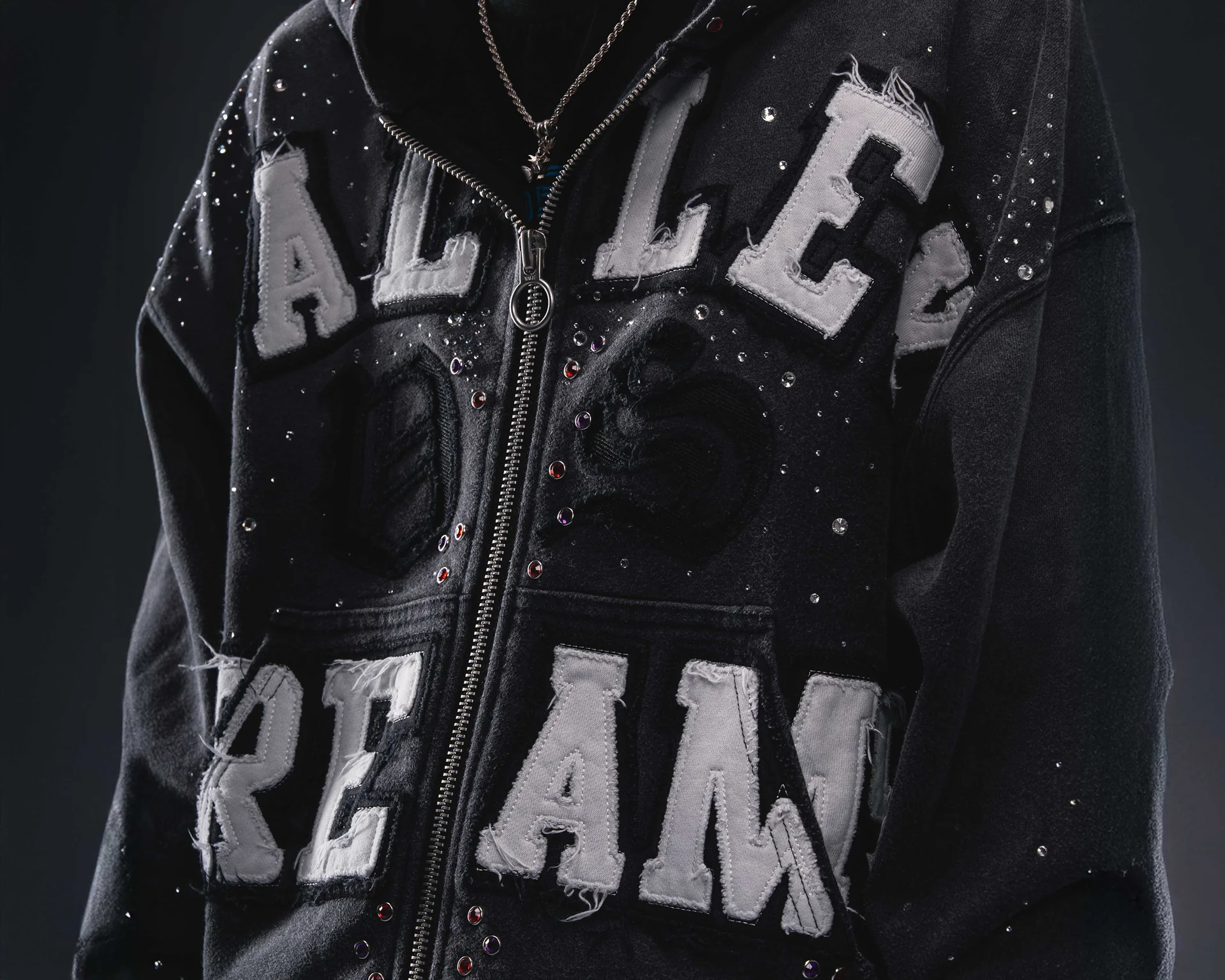
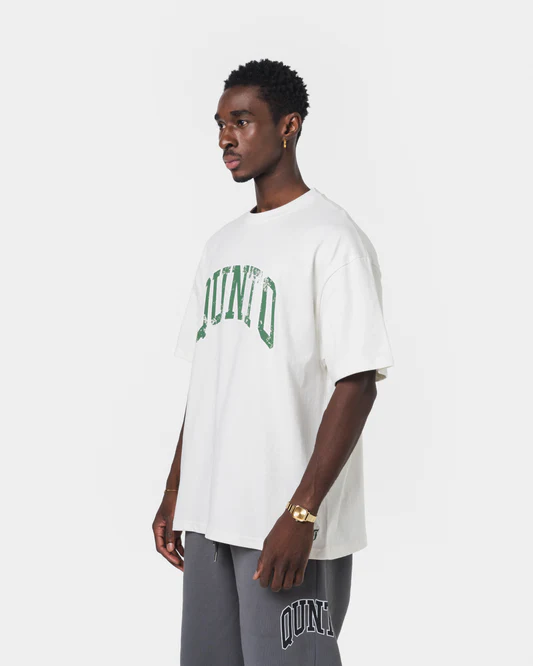
- Oversized fits
- Heavyweight fabrics
- Puff printing
- Embroidery
- Vintage washes
- Custom labels and packaging
👉 Strong customization systems help brands maintain consistent product identity across collections.
Why Product Identity Matters Long Term
Modern fashion customers quickly notice changes in:
- Fit proportions
- Fabric quality
- Print durability
- Garment finishing
👉 Consistent product experience helps build customer trust over time.
Workflow Systems & Production Stability
Long-term manufacturing requires organized systems.
Fuki Apparel uses structured workflows that include:
- Design review
- Sample development
- Bulk production planning
- Multi-stage quality inspections
- Packaging and shipping coordination
👉 Organized systems improve long-term production reliability.
Why Workflow Structure Is Important
Weak workflows often create:
- Delayed launches
- Production confusion
- Higher revision rates
- Inconsistent orders
👉 Stable workflow systems reduce operational pressure significantly.
Quality Control & Repeat Production
One of the biggest challenges in long-term manufacturing is repeat production consistency.
Fuki Apparel focuses heavily on:
- Sample-based production
- Stable material sourcing
- Multi-stage QC systems
- Repeat production accuracy
👉 These systems help reduce variation across future orders.
QC Workflow
| QC Stage | Purpose |
|---|---|
| Fabric Inspection | Verify material quality |
| In-Line QC | Detect production issues |
| Final Inspection | Review finished garments |
| Packaging Check | Confirm order accuracy |
👉 Strong QC systems help brands maintain stable product quality long term.
MOQ Flexibility & Scalable Growth
Another reason brands value long-term manufacturing partners is scalability.
Fuki Apparel offers:
- Lower MOQ flexibility
- Structured repeat production systems
- Support for growing collections
Typical MOQ:
- Around 100 pcs
👉 Flexible MOQ helps brands scale more sustainably.
Why Scalability Matters
As brands grow, they usually need:
- Faster restocks
- More stable workflows
- Better production organization
- Long-term manufacturing partnerships
👉 Scalable systems become increasingly important over time.
Communication & Long-Term Cooperation
Reliable communication becomes critical during long-term production partnerships.
Fuki Apparel focuses on:
- Production updates
- Timeline coordination
- Revision management
- Workflow organization
👉 Better communication improves manufacturing efficiency and reduces production mistakes.
Why Communication Matters
Poor communication often causes:
- Incorrect products
- Delayed launches
- Workflow confusion
- Customer dissatisfaction
👉 Stable communication improves long-term operational stability.
Why Brands Leave Weak Manufacturers
Many fashion brands eventually leave low-cost or unstable suppliers because of:
- Product inconsistency
- Unreliable timelines
- Weak communication
- Poor scalability
👉 Manufacturing instability becomes more damaging as brands grow larger.
That’s why many brands eventually prioritize:
- Stability
- Consistency
- Workflow organization
- Long-term reliability
over lowest upfront pricing.
Pros & Potential Limitations
Main Advantages
- Strong streetwear customization
- Structured workflow systems
- Better repeat production consistency
- Lower MOQ flexibility
- Scalable long-term manufacturing support
Potential Limitations
Fuki Apparel may not be ideal for brands that:
- Only prioritize ultra-low pricing
- Need massive fast-fashion production immediately
- Require luxury couture-level craftsmanship
👉 The system is optimized for scalable modern apparel production.
FAQs
Is Fuki Apparel good for long-term production?
Yes, especially for brands that prioritize consistency and scalable workflows.
Why do brands stay with the same manufacturer long term?
Mostly because stable production systems improve consistency and reduce operational problems.
Does Fuki Apparel support repeat collections?
Yes, the workflow system is designed for ongoing production support.
Is Fuki Apparel good for startup brands?
Yes, especially because of lower MOQ flexibility and scalable manufacturing systems.
Conclusion
So, is Fuki Apparel worth it for long-term clothing production?
👉 For many modern fashion brands, yes.
Because successful long-term manufacturing requires much more than basic garment production.
Brands eventually need:
- Consistent quality
- Reliable workflows
- Stable communication
- Scalable production systems
- Repeat manufacturing accuracy
And those are the areas where Fuki Apparel focuses most heavily.
For brands building long-term collections and repeat customer trust,
that kind of manufacturing stability often becomes one of the most valuable investments they can make.
Internal Reference
👉 Build your brand with a scalable production partner: FukiApparel
Follow us for real production insights and updates:
- TikTok: Fuki Streetwear
- YouTube: Fuki Apparel
- Instagram: Fuki Streetwear
