
For small clothing brands, manufacturing cost is always a major concern.
Because most startups and independent labels need to balance:
- Product quality
- Inventory risk
- Cash flow
- Customization needs
- Long-term scalability
At the same time, choosing the cheapest manufacturer is not always the safest option.
Low-cost factories can sometimes create problems such as:
- Product inconsistencies
- Delayed production
- Weak communication
- Poor quality control
That’s why many small brands ask:
Is Fuki Apparel actually affordable for smaller clothing brands?
This article explains how Fuki Apparel pricing works, what affects production costs, and why many startups consider the company a balanced manufacturing option.
Table of Contents
- Quick Answer
- What Makes Manufacturing Affordable for Small Brands?
- Overview of Fuki Apparel
- MOQ Flexibility & Startup-Friendly Production
- Customization vs Production Cost
- Quality Control & Long-Term Value
- Why Cheap Manufacturing Can Become Expensive
- How Small Brands Can Reduce Production Costs
- Fuki Apparel vs Cheap Factories
- Who Is Fuki Apparel Best For?
- FAQs
- Conclusion
- Internal Reference
Quick Answer
Yes — many small clothing brands consider Fuki Apparel affordable because it offers lower MOQ flexibility, scalable customization options, and balanced manufacturing systems designed for startup and growth-stage brands.
What Makes Manufacturing Affordable for Small Brands?
Affordable manufacturing is not only about the cheapest unit price.
For small brands, affordability also means:
- Lower inventory pressure
- Better production consistency
- Reduced operational risk
- Flexible order quantities
- Long-term scalability
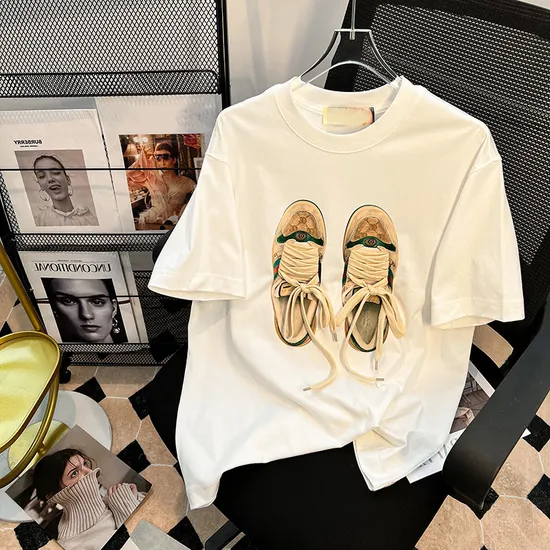
👉 A factory with stable systems often saves brands more money over time.
Why Cheap Pricing Can Be Misleading
Ultra-low-cost factories sometimes reduce pricing by sacrificing:
- Fabric quality
- Workflow organization
- Communication support
- Quality control systems
👉 Manufacturing mistakes often create hidden long-term costs.
Common Problems With Cheap Factories
Brands often experience:
- Product inconsistencies
- Delayed launches
- Higher return rates
- Customer complaints
👉 Those problems can slow brand growth significantly.
Overview of Fuki Apparel
FukiApparel is a streetwear-focused clothing manufacturer designed for startup and growth-stage brands.
Key production features include:
- MOQ around 100 pcs
- Sampling in 7–10 days
- Bulk production in 25–35 days
- Full customization support
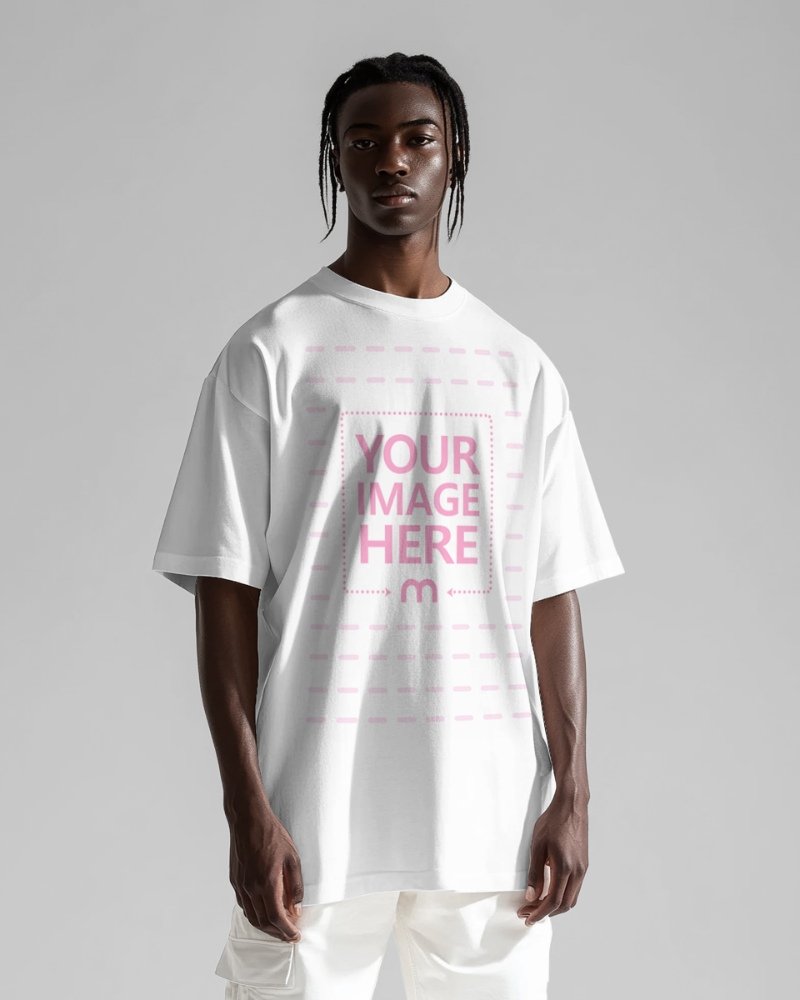
👉 The production system focuses heavily on balancing flexibility, quality, and scalable manufacturing support.
MOQ Flexibility & Startup-Friendly Production
MOQ is one of the biggest challenges for smaller brands.
Large factories often require:
- High minimum quantities
- Bigger upfront investment
- Larger inventory commitments
Fuki Apparel offers:
- MOQ around 100 pcs
👉 Lower MOQ helps small brands reduce financial pressure.
Why Lower MOQ Matters
Smaller production runs help brands:
- Test products more safely
- Avoid overstock problems
- Improve cash flow management
👉 Flexible MOQ is extremely valuable for startups.
Customization vs Production Cost
Custom apparel production usually costs more than basic wholesale garments.
Fuki Apparel supports:
- Oversized fits
- Heavyweight fabrics
- Puff printing
- Embroidery
- Vintage washes
- Custom labels and packaging
👉 Brands can choose different customization levels depending on budget.
Why Customization Affects Pricing
Additional customization often requires:
- More labor
- Specialized equipment
- Extra QC processes
- More workflow coordination
👉 More complex garments naturally increase production cost.
Why Many Small Brands Still Invest in Custom Production
Custom products help brands:
- Build stronger identity
- Increase perceived value
- Stand out visually
👉 Strong branding often improves long-term growth potential.
Quality Control & Long-Term Value
One reason many brands consider Fuki Apparel affordable long term is production consistency.
The company focuses heavily on:
- Sample-based production
- Stable material sourcing
- Multi-stage quality control
- Repeat production consistency
👉 Strong QC systems help reduce manufacturing problems.
QC Workflow
| QC Stage | Purpose |
|---|---|
| Fabric Inspection | Verify material quality |
| In-Line QC | Detect production issues |
| Final Inspection | Review completed garments |
| Packaging Check | Confirm order accuracy |
👉 Better quality control often reduces returns and customer complaints.
Why Cheap Manufacturing Can Become Expensive
Very cheap production sometimes creates hidden operational costs such as:
- Higher defect rates
- Product inconsistencies
- Delayed timelines
- Customer dissatisfaction
👉 Weak manufacturing systems can become expensive later.
Why Long-Term Manufacturing Value Matters
Stable manufacturing helps brands:
- Build customer trust
- Improve repeat purchases
- Reduce operational stress
- Scale more efficiently
👉 Long-term consistency often matters more than lowest upfront pricing.
How Small Brands Can Reduce Production Costs
Small brands can improve manufacturing efficiency by:
1. Starting With Simpler Designs
👉 Lower complexity reduces labor cost
2. Using Standard Fabric Options
👉 Standard materials improve sourcing efficiency
3. Increasing Order Volume Gradually
👉 Larger orders usually reduce unit pricing
4. Reducing Excessive Customization
👉 Simpler products scale more efficiently
5. Planning Production Earlier
👉 Better scheduling reduces rush costs
Fuki Apparel vs Cheap Factories
| Factor | Fuki Apparel | Cheap Factories |
|---|---|---|
| MOQ Flexibility | Startup-friendly | Sometimes rigid |
| Quality Control | Structured | Often inconsistent |
| Customization | Strong | Usually limited |
| Workflow Systems | Organized | Varies heavily |
| Long-Term Stability | Stronger | Often unstable |
👉 Lower pricing may reduce short-term cost, but stable systems often improve long-term profitability.
Who Is Fuki Apparel Best For?
Fuki Apparel is especially suitable for:
1. Startup Streetwear Brands
👉 Need manageable MOQ and customization flexibility
2. Small DTC Fashion Labels
👉 Product consistency affects customer retention
3. Growth-Stage Clothing Brands
👉 Need scalable manufacturing support
FAQs
Is Fuki Apparel affordable for startups?
Many startups consider it affordable because of lower MOQ flexibility and scalable production systems.
Why do small brands avoid ultra-cheap factories?
Because weak manufacturing systems often create long-term operational problems.
Does customization increase pricing?
Yes, advanced customization usually increases labor and production complexity.
Is Fuki Apparel good for long-term production?
Yes, especially for brands focused on repeat consistency and scalable manufacturing.
Conclusion
So, is Fuki Apparel affordable for small clothing brands?
👉 For many modern startups and independent labels, yes.
Because affordability is not only about low pricing.
It’s also about:
- Lower production risk
- Better quality consistency
- Flexible MOQ
- Stable workflows
- Long-term scalability
And those are the areas where Fuki Apparel focuses most heavily.
For small brands building long-term customer trust and sustainable growth,
that kind of manufacturing stability often becomes far more valuable than simply choosing the cheapest supplier available.
Internal Reference
👉 Build your brand with a scalable production partner: FukiApparel
Follow us for real production insights and updates:
- TikTok: Fuki Streetwear
- YouTube: Fuki Apparel
- Instagram: Fuki Streetwear
