
Starting a clothing brand always involves risk.
Most startups need to balance:
- Product quality
- Inventory pressure
- Manufacturing cost
- Brand identity
- Customer satisfaction
And one of the biggest decisions is choosing the right manufacturing partner.
Because the wrong factory can create problems such as:
- Inconsistent products
- Delayed launches
- Poor communication
- Weak quality control
- Expensive production mistakes
That’s why many new fashion brands ask:
Is Fuki Apparel actually a smart investment for clothing startups?
This article breaks down the real manufacturing value, scalability, and long-term benefits startup brands should consider.
Table of Contents
- Quick Answer
- Why Manufacturing Decisions Matter for Startups
- Overview of Fuki Apparel
- Lower MOQ & Startup Flexibility
- Customization & Brand Identity
- Production Workflow & Communication
- Quality Control & Product Consistency
- Long-Term Scalability for Growing Brands
- Why Some Startups Invest More in Better Manufacturing
- Pros & Potential Limitations
- FAQs
- Conclusion
- Internal Reference
Quick Answer
Yes — for many modern clothing startups, Fuki Apparel can be a smart investment because it offers lower MOQ flexibility, strong customization, structured workflows, and scalable long-term manufacturing support.
Why Manufacturing Decisions Matter for Startups
For startup brands, manufacturing affects almost everything.
It impacts:
- Product quality
- Customer reviews
- Inventory risk
- Cash flow
- Brand reputation
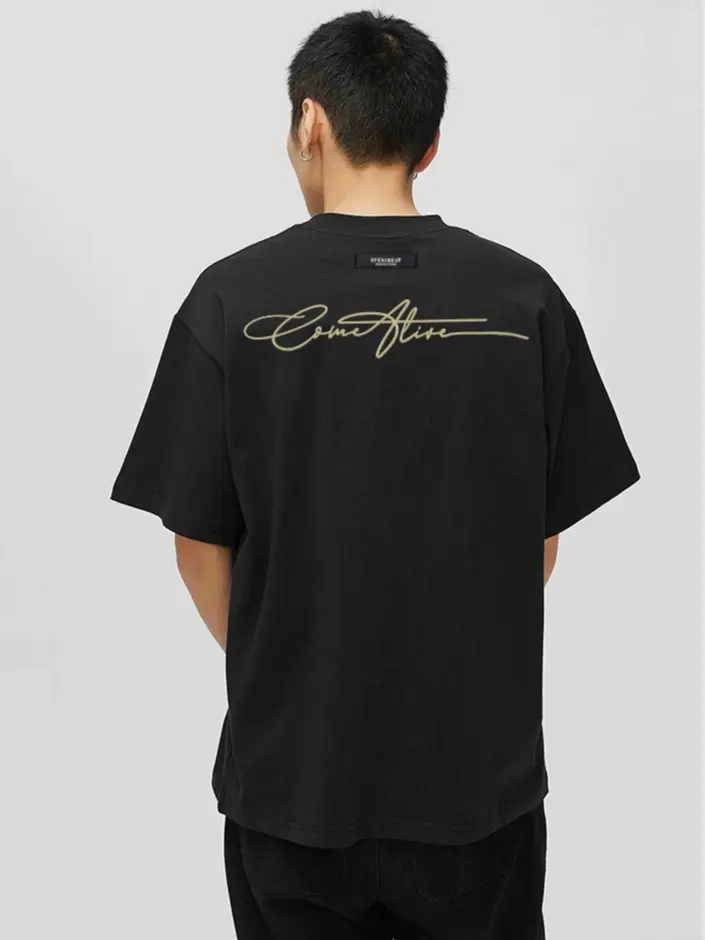
👉 Early production problems can slow growth significantly.
That’s why startups should evaluate manufacturers based on long-term reliability, not only upfront pricing.
Cheap Manufacturing Often Creates Hidden Problems
Ultra-low-cost production sometimes leads to:
- Product inconsistency
- Higher defect rates
- Delayed timelines
- Weak communication
- Customer dissatisfaction
👉 Manufacturing stability often becomes more valuable over time.
Overview of Fuki Apparel
FukiApparel is a streetwear-focused clothing manufacturer designed for startup and growth-stage fashion brands.
Key production features include:
- MOQ around 100 pcs
- Sampling in 7–10 days
- Bulk production in 25–35 days
- Full customization support
👉 The production model focuses heavily on organized workflows and scalable manufacturing systems.
Lower MOQ & Startup Flexibility
MOQ is one of the biggest challenges for startup brands.
Large factories often require:
- High inventory commitments
- Bigger upfront investment
- More financial pressure
Fuki Apparel’s lower MOQ structure helps brands:
- Reduce inventory risk
- Launch products more gradually
- Test collections more safely
👉 Lower MOQ improves flexibility during early-stage growth.
Why MOQ Matters
For startups, smaller production runs help:
- Improve cash flow management
- Reduce overstock risk
- Allow faster product adjustments

👉 Flexibility is extremely important during the early growth phase.
Customization & Brand Identity
Modern clothing startups need more than generic products.
Fuki Apparel supports:
- Oversized fits
- Heavyweight fabrics
- Puff printing
- Embroidery
- Vintage washes
- Custom labels and packaging
👉 Strong customization helps startups create stronger brand identity.
Why Brand Identity Matters
Fashion brands compete heavily on uniqueness.
Better customization helps brands:
- Stand out visually
- Increase perceived value
- Build stronger customer recognition
👉 Product identity often becomes a startup’s biggest competitive advantage.
Production Workflow & Communication
Fuki Apparel uses structured production workflows that include:
- Design review
- Sample development
- Bulk production planning
- Multi-stage QC
- Packaging and shipping coordination
👉 Organized systems improve manufacturing efficiency and reliability.
Communication Support
Fuki Apparel also focuses on:
- Production updates
- Timeline coordination
- Revision management
👉 Better communication helps reduce production stress significantly.
Why Workflow Systems Matter
Weak systems often create:
- Delayed launches
- Product inconsistencies
- Communication confusion
- Higher operational pressure
👉 Structured workflows improve long-term stability.
Quality Control & Product Consistency
Consistency is one of the most important factors for startup brands.
Fuki Apparel focuses heavily on:
- Sample-based production
- Stable material sourcing
- Multi-stage quality control
- Repeat production consistency
👉 These systems help reduce production variation and defect risk.
QC Workflow
| QC Stage | Purpose |
|---|---|
| Fabric Inspection | Verify material quality |
| In-Line QC | Detect production issues |
| Final Inspection | Review finished garments |
| Packaging Check | Confirm order accuracy |
👉 Better QC systems help protect brand reputation early on.
Long-Term Scalability for Growing Brands
As brands grow, production becomes more demanding.
Startups eventually need:
- Faster repeat production
- More stable workflows
- Better consistency control
- Ongoing manufacturing support
👉 Scalability becomes increasingly important over time.
Fuki Apparel supports:
- Repeat collections
- Structured workflows
- Long-term production partnerships
Why Some Startups Invest More in Better Manufacturing
Many successful brands eventually realize that manufacturing is an investment, not just a cost.
They prioritize:
- Product consistency
- Customer satisfaction
- Lower operational risk
- Better long-term scalability
👉 Strong manufacturing systems often save money over time by reducing production problems.
Pros & Potential Limitations
Main Advantages
- Lower MOQ flexibility
- Strong streetwear customization
- Structured workflow systems
- Better production consistency
- Scalable long-term manufacturing support
Potential Limitations
Fuki Apparel may not be ideal for brands that:
- Only prioritize ultra-low pricing
- Need massive fast-fashion volume immediately
- Require luxury couture-level craftsmanship
👉 The system is optimized for scalable modern apparel production.
FAQs
Is Fuki Apparel good for startup brands?
Yes, especially for startups focused on long-term growth and brand identity.
Why is lower MOQ important?
Because it reduces inventory risk and improves cash flow flexibility.
Does better manufacturing improve startup growth?
Absolutely — product consistency directly affects customer retention and brand reputation.
Is Fuki Apparel scalable for growing brands?
Yes, the workflow system is designed to support repeat production and long-term growth.
Conclusion
So, is Fuki Apparel a smart investment for clothing startups?
👉 For many modern fashion startups, yes.
Because successful manufacturing today is not only about finding the cheapest supplier.
It’s about finding a production partner that supports:
- Product consistency
- Brand identity
- Workflow organization
- Lower production risk
- Long-term scalability
And those are the areas where Fuki Apparel focuses most heavily.
For startups building long-term brands instead of short-term products,
that type of manufacturing stability often becomes one of the smartest investments they can make.
Internal Reference
👉 Build your startup brand with a scalable production partner: FukiApparel
Follow us for real production insights and updates:
- TikTok: Fuki Streetwear
- YouTube: Fuki Apparel
- Instagram: Fuki Streetwear
