
Short answer: You can tell if Converse is original by checking the logo details, stitching quality, sole construction, box label, and overall craftsmanship.
From my experience reviewing authentic and fake pairs side by side, the differences are subtle—but very consistent once you know what to look for.
This guide breaks it down step by step, so you can confidently spot real vs fake Converse without being an expert.
Table of Contents
- Quick Answer
- Check the Logo and Patch Details
- Examine the Stitching and Build Quality
- Look at the Sole and Rubber Texture
- Inspect the Box and Product Label
- Compare Price and Seller Source
- Real vs Fake Converse Comparison Table
- Common Mistakes Buyers Make
- FAQ
- Conclusion
- Internal Reference
Quick Answer
Authentic Converse shoes have clean stitching, correct logo placement, high-quality rubber soles, and accurate box labels.
Fake pairs usually show sloppy stitching, incorrect fonts, cheap materials, or mismatched product codes.
Check the Logo and Patch Details
The ankle patch is the easiest place to spot a fake.
What to check:
- Star centered inside the circle
- Clean, sharp font
- No blurry edges
- “Chuck Taylor All Star” text properly spaced
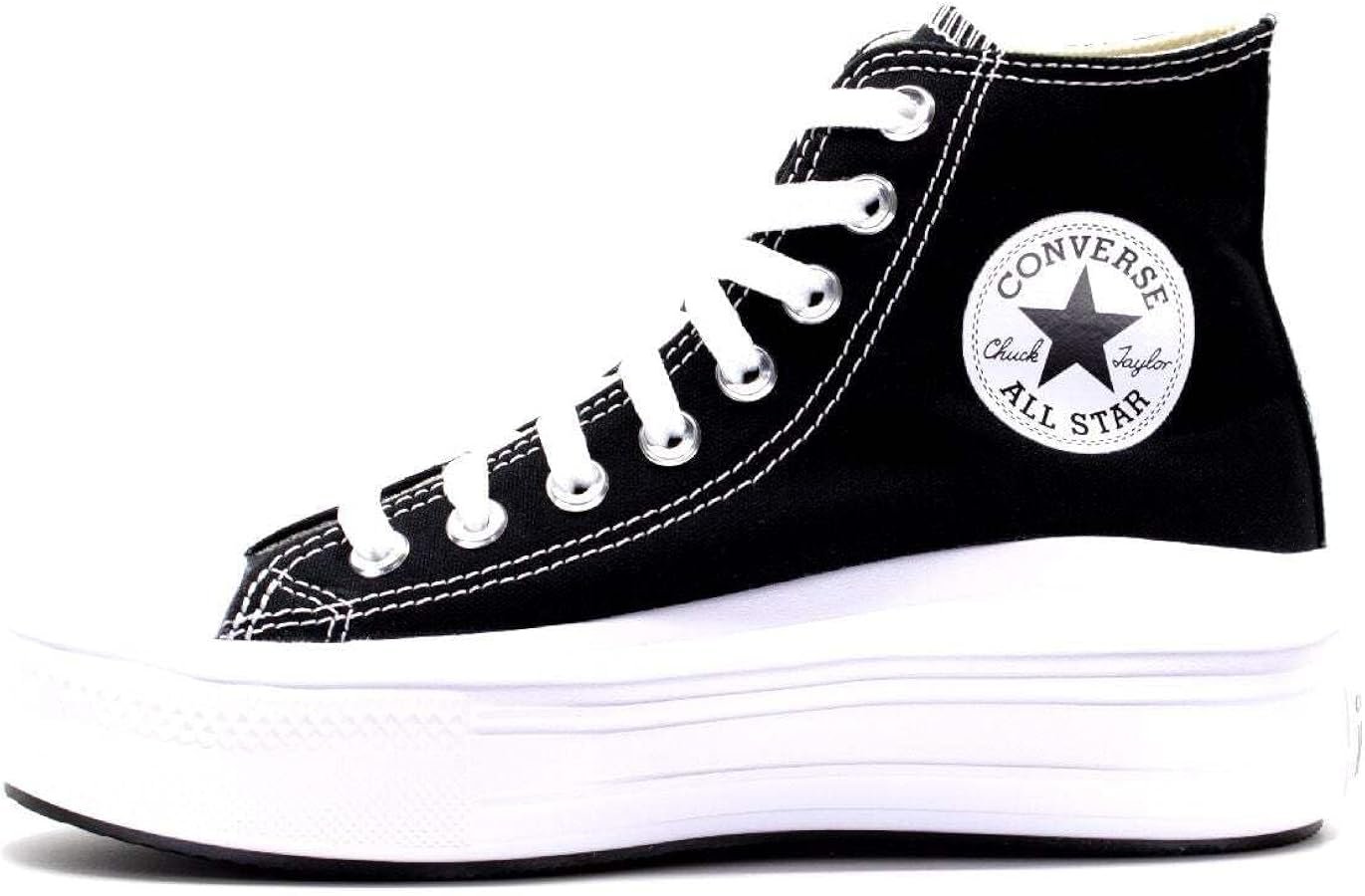
❌ Fake pairs often have:
- Thick or uneven font
- Off-centered stars
- Glossy or cheap-looking print
Examine the Stitching and Build Quality
From my experience, this is where most replicas fail.
Real Converse:
- Even, straight stitching
- No loose threads
- Strong canvas tension
Fake Converse:
- Uneven stitch length
- Loose threads
- Soft or thin canvas
Look at the Sole and Rubber Texture
Real Converse rubber soles:
- Feel firm but flexible
- Have a clean matte finish
- Feature a sharp diamond traction pattern
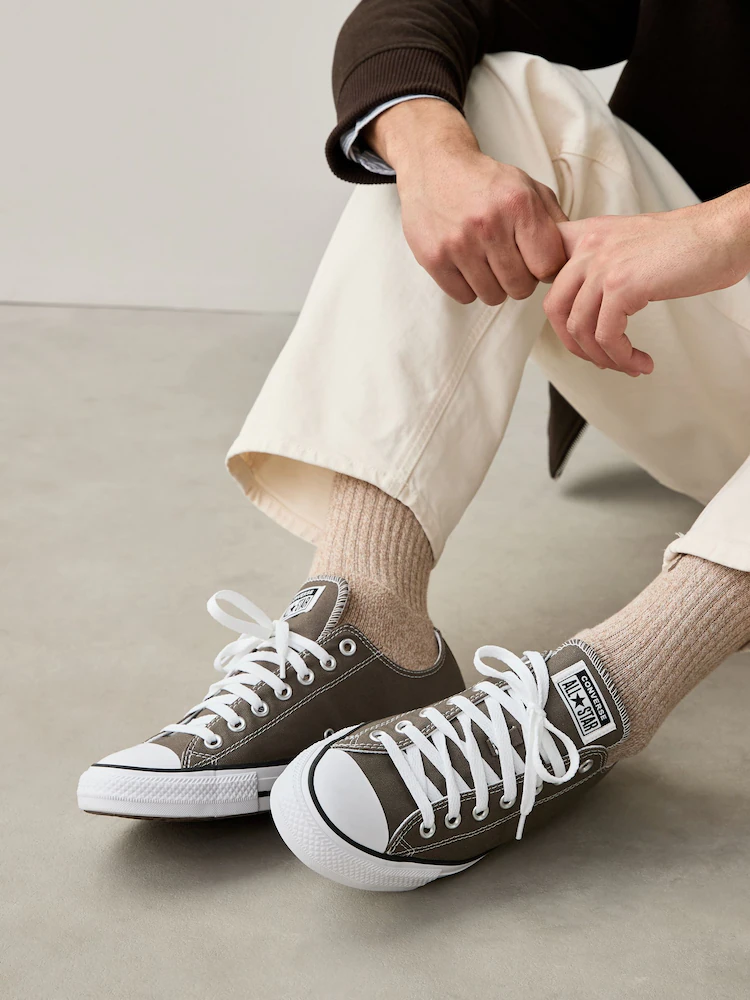
Fake ones often have:
- Shiny or slippery rubber
- Weak grip pattern
- Poor edge finishing
Inspect the Box and Product Label
Check the shoebox label carefully:
- Model number must match the shoe
- Size label font should be clean
- Barcode should scan correctly
Fake boxes often use:
- Incorrect fonts
- Misaligned labels
- Wrong product names
Compare Price and Seller Source
If the deal feels too cheap, it probably is.
Safe places to buy:
- Official Converse store
- Authorized retailers
- Reputable fashion platforms
Risky places:
- Social media sellers
- Unknown marketplaces
- “Factory direct” claims
Official site:
👉 https://www.converse.com
Real vs Fake Converse Comparison Table
| Feature | Real Converse | Fake Converse |
|---|---|---|
| Stitching | Clean & even | Messy |
| Logo | Sharp & centered | Blurry or off |
| Sole | Firm rubber | Soft plastic |
| Box label | Accurate info | Mismatched |
| Price | Market standard | Too cheap |
Common Mistakes Buyers Make
- Buying based on price only
- Ignoring seller reviews
- Assuming all Converse look the same
- Not checking inside tags
FAQ
How can I tell if my Converse are real?
Check stitching, logo placement, sole quality, and box details.
Are fake Converse common?
Yes, especially online marketplaces.
Do real Converse have serial numbers?
Yes, they include consistent style codes on the label.
Conclusion
To tell if Converse are original, focus on details, quality, and source.
Authentic pairs feel solid, balanced, and carefully made — fakes usually don’t.
If something feels off, it probably is.
Internal Reference
For deeper insight into footwear construction and quality control, visit
👉 FuKi Apparel