
Table of Contents
- Quick Answer
- Why Streetwear Brands Still Thrive in 2026
- Step 1: Define Your Brand Identity
- Step 2: Research the Streetwear Market
- Step 3: Design Your First Collection
- Step 4: Find the Right Clothing Manufacturer
- Step 5: Build Your Brand Community
- Step 6: Launch With a Smart Product Strategy
- Streetwear Startup Cost Breakdown
- Common Mistakes New Streetwear Brands Make
- Practical Growth Tips for 2026
- FAQ
- Conclusion
- Internal Reference
Quick Answer
Starting a streetwear brand in 2026 is easier than ever—but success still depends on strong fundamentals.
The most important steps are:
- Define a clear brand identity
- Design a focused first collection
- Work with the right manufacturer
- Build an engaged community
- launch limited, high-quality products

From my experience working with apparel manufacturing and observing emerging streetwear brands, the labels that succeed are rarely the cheapest—they are the ones with a clear vision and strong storytelling.
Why Streetwear Brands Still Thrive in 2026
Streetwear continues to dominate modern fashion because it blends culture, creativity, and community.
Unlike traditional fashion brands, streetwear labels often grow from:
- music scenes
- skate culture
- online communities
- youth identity
Fashion industry analysis from
Business of Fashion – Global Streetwear Market
shows that streetwear remains one of the fastest-evolving fashion segments.
This means new brands still have strong opportunities—if they approach the market strategically.
Step 1: Define Your Brand Identity
Before designing clothing, you must define what your brand represents.
Ask yourself:
- What culture or lifestyle does your brand represent?
- Who is your target audience?
- What makes your brand different?
Successful streetwear brands often build their identity around:
- music culture
- skate communities
- artistic movements
- urban lifestyle
Your brand story will influence every product you design.
Step 2: Research the Streetwear Market
Understanding the market helps you avoid common mistakes.
Study successful brands to learn:
- pricing strategies
- design trends
- marketing approaches
Streetwear media platforms such as
Hypebeast – Streetwear Culture
regularly highlight emerging trends and influential brands.
Pay attention to what resonates with your target audience.
Step 3: Design Your First Collection
New brands should avoid launching too many products at once.
Instead, start with a focused capsule collection.
Recommended Starter Products
- graphic T-shirts
- hoodies
- sweatshirts
- caps
Focus on strong design and quality fabrics rather than quantity.
Streetwear consumers value distinctive design and authenticity.
Step 4: Find the Right Clothing Manufacturer
A reliable manufacturer is critical for building a successful streetwear brand.
Key factors to consider include:
- fabric quality
- minimum order quantity (MOQ)
- customization options
- production reliability
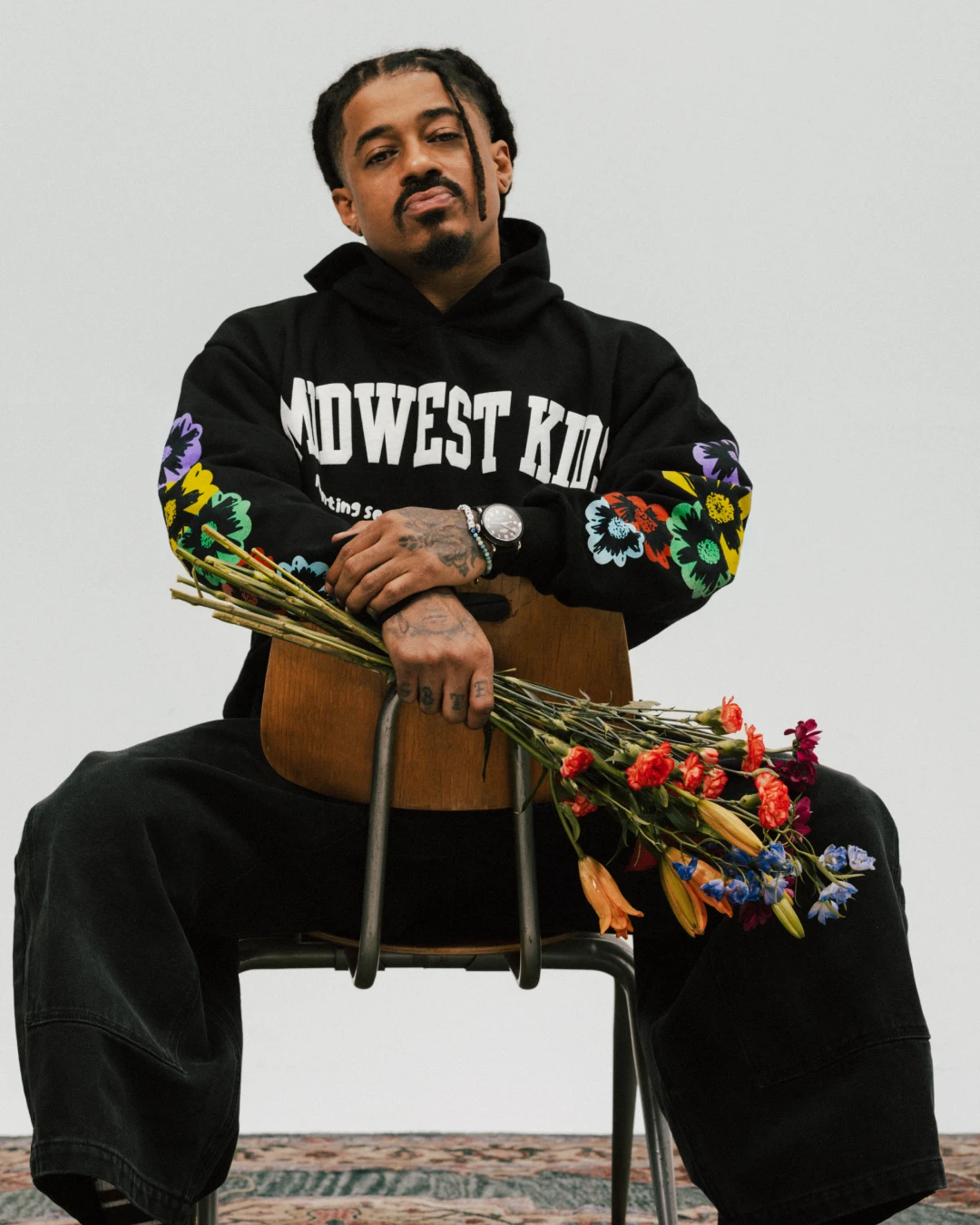
Many brands start by partnering with specialized streetwear manufacturers that understand oversized fits, graphics, and garment washes.
Choosing the right production partner ensures consistent product quality.
Step 5: Build Your Brand Community
Streetwear brands grow through community engagement, not just advertising.
Focus on building relationships through:
- social media content
- collaborations with artists
- influencer partnerships
- local events
Fashion culture platforms like
Highsnobiety – Streetwear Industry
often highlight how strong community connections help brands grow organically.
Step 6: Launch With a Smart Product Strategy
Streetwear brands often use limited product releases.
This strategy creates:
- exclusivity
- urgency
- stronger demand
Instead of producing large quantities, start with smaller batches.
Limited drops help maintain excitement around your brand.
Streetwear Startup Cost Breakdown
| Expense Category | Estimated Cost |
|---|---|
| Design development | $500 – $2,000 |
| Sample production | $300 – $1,500 |
| First production run | $3,000 – $10,000 |
| Branding & marketing | $1,000 – $5,000 |
| Website & e-commerce | $300 – $1,000 |
Costs vary depending on product complexity and production scale.
Common Mistakes New Streetwear Brands Make
Many new brands struggle because they repeat common mistakes.
Focusing Only on Logos
Successful streetwear brands develop visual identity and storytelling, not just logos.
Launching Too Many Products
A small, focused collection often performs better.
Ignoring Product Quality
Consumers quickly notice poor fabric or construction.
Quality helps build long-term brand trust.
Practical Growth Tips for 2026
To grow a streetwear brand today, consider these strategies:
Embrace Digital Culture
Social media platforms remain essential for brand discovery.
Collaborate With Creators
Artists and designers can help expand your brand reach.
Focus on Authenticity
Streetwear consumers value authenticity more than marketing.
Brands that stay true to their identity often grow stronger communities.
FAQ
Do I need a large budget to start a streetwear brand?
Not necessarily. Many successful brands began with small capsule collections.
What product should I launch first?
Graphic T-shirts and hoodies are common starting points.
How important is brand storytelling?
Extremely important. Streetwear consumers often connect with brands through culture and narrative.
Can new brands still succeed in streetwear?
Yes, especially if they focus on originality and community engagement.
Conclusion
Starting a streetwear brand in 2026 requires more than good designs.
Successful brands combine:
- strong brand identity
- quality products
- community engagement
- strategic product launches
By focusing on these fundamentals, new labels can build meaningful connections with consumers and grow within the evolving streetwear landscape.
Internal Reference
If you're planning to launch your own streetwear brand and need reliable manufacturing support, explore:
👉 Fuki Apparel – Streetwear Manufacturing Solutions
Experienced production partners help turn streetwear ideas into high-quality clothing collections.
