
If you're building a clothing brand, learning how to negotiate with manufacturers can save you thousands of dollars and significantly improve your profit margins.
From my experience working with OEM factories and fashion startups, I’ve found that most beginners think negotiation is about pushing for the lowest price.
But in reality, successful negotiation is about understanding factory costs and creating win-win conditions.
In this guide, I’ll show you exactly how professional brands negotiate better pricing without damaging relationships or product quality.
Table of Contents
- Quick Answer
- Why Negotiation Matters
- How Clothing Pricing Really Works
- Pro Negotiation Strategies
- What You Should Never Do
- Price Levers You Can Negotiate
- Example Negotiation Table
- Internal & External Resources
- FAQ
- Final Thoughts
Quick Answer
To negotiate better prices with clothing manufacturers, you should:
- Increase order quantity (MOQ leverage)
- Simplify design complexity
- Use standard fabrics
- Combine multiple styles in one order
- Build long-term relationships
- Be flexible with colors and trims
- Compare multiple suppliers professionally
👉 In simple terms: lower cost comes from reducing factory risk and increasing efficiency—not pressure.
Why Negotiation Matters
From my experience, two brands can receive completely different prices for the same product simply because one knows how to negotiate properly.
Good negotiation helps you:
- Reduce production costs
- Improve long-term factory relationships
- Get priority production slots
- Access better fabric options
- Scale your brand faster
How Clothing Pricing Really Works
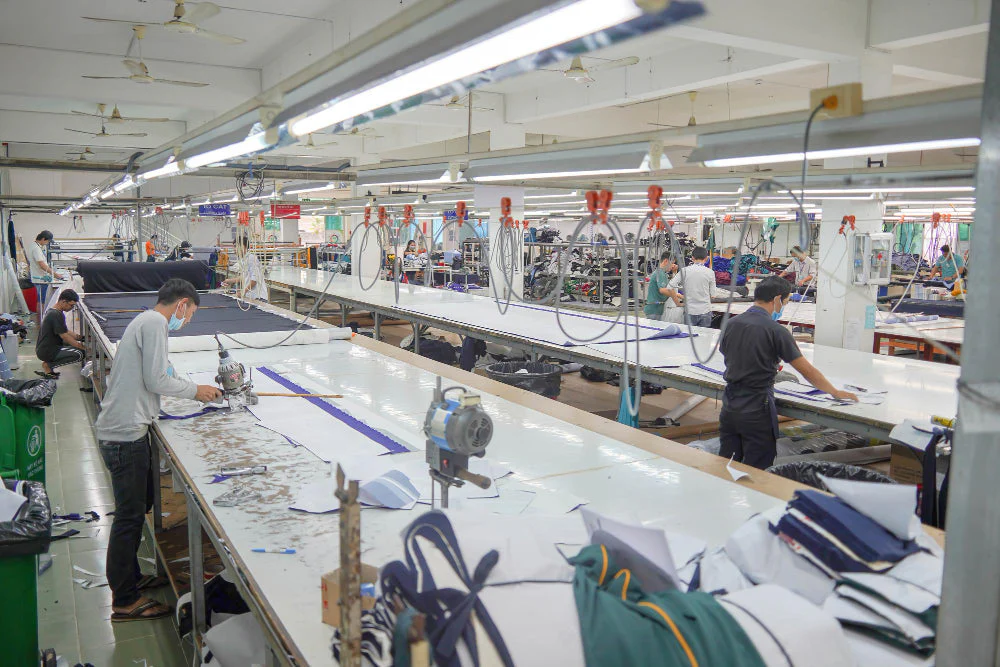
To negotiate effectively, you must understand how factories calculate pricing.
Factory pricing is usually based on:
- Fabric cost
- Labor cost
- Production complexity
- MOQ efficiency
- Accessories & trims
- Factory overhead
- Profit margin
👉 Once you understand this structure, negotiation becomes much easier.
Pro Negotiation Strategies
1. Increase Order Quantity Gradually
Factories reduce prices when production becomes more efficient.
Even small increases (100 → 300 pcs) can significantly reduce cost per unit.
2. Simplify Your Design
The more complex your product, the higher the cost.
Reduce:
- Embroidery placements
- Panel designs
- Special washing processes
3. Use Stock Fabrics
Stock fabrics eliminate sourcing delays and reduce cost.
From my experience, this is one of the fastest ways to lower pricing.
4. Bundle Multiple Styles
Instead of negotiating one product, combine:
- Hoodies
- T-shirts
- Pants
Factories prefer larger, consolidated orders.
5. Build Long-Term Trust
Factories give better pricing to brands they trust.
Be consistent, professional, and transparent about future orders.
6. Be Flexible With Details
Small adjustments can unlock better pricing:
- Color options
- Trim types
- Packaging choices
What You Should Never Do
Avoid these common negotiation mistakes:
❌ Only focusing on price
❌ Threatening to switch suppliers
❌ Constantly changing designs
❌ Asking for unrealistic MOQs
❌ Ignoring factory limitations
👉 From my experience, aggressive negotiation often leads to worse quality and slower production.
Price Levers You Can Negotiate
| Factor | Impact on Price | Negotiation Flexibility |
|---|---|---|
| Fabric choice | High | Medium |
| MOQ size | High | High |
| Design complexity | High | High |
| Printing method | Medium | Medium |
| Packaging | Low | High |
| Lead time | Medium | Medium |
Example Negotiation Table
Here is a realistic example of how pricing changes:
| Scenario | Unit Price | MOQ | Notes |
|---|---|---|---|
| Standard order | $12.50 | 100 pcs | Base quote |
| Simplified design | $11.00 | 100 pcs | Reduced embroidery |
| Higher MOQ | $9.80 | 300 pcs | Improved efficiency |
| Stock fabric + bulk order | $8.90 | 500 pcs | Best rate |
Internal & External Resources
Internal Resources
Industry Resources
FAQ
What is the best way to get lower prices from manufacturers?
Increase MOQ, simplify designs, and use stock materials to reduce production cost.
Can I negotiate MOQ and price together?
Yes. MOQ and pricing are directly connected in factory calculations.
Do factories respect aggressive negotiation?
Not usually. Professional, long-term communication works better than pressure.
What is the biggest factor affecting price?
Fabric choice and production complexity are usually the biggest cost drivers.
Should I compare multiple factories?
Yes. Comparing 3–5 factories helps you understand realistic market pricing.
Final Thoughts
From my experience, the best negotiation strategy is not about pushing for the lowest price—but about understanding how factories think.
Once you align your order with their production efficiency, better pricing comes naturally.
If you're working with OEM or private label manufacturing, a reliable partner like:
can help you balance cost, quality, and scalability while supporting long-term brand growth.
