
Starting a clothing brand is not only about creating designs. The real challenge is turning those ideas into products that customers want to buy, while managing quality, costs, and production timelines.
From my experience working with apparel manufacturers, many new brands fail because they focus only on branding and marketing but underestimate product development and manufacturing.
A reliable manufacturer partner can help transform your concept into a real collection by supporting fabric selection, sampling, production, and quality control.
In this guide, I'll explain how to launch a clothing brand with the right manufacturing partner and what steps brands should follow.
Table of Contents
- Quick Answer
- Why Manufacturers Matter for New Brands
- Step-by-Step Brand Launch Process
- How to Choose the Right Manufacturer Partner
- Common Mistakes New Brands Make
- Resources
- FAQ
- Final Thoughts
Quick Answer
Launching a clothing brand with a manufacturer partner usually involves:
- Defining your brand concept
- Developing product designs
- Creating technical specifications
- Selecting fabrics and materials
- Producing samples
- Approving production
- Manufacturing bulk orders
- Launching and improving products
A good manufacturer works as a production partner—not just a supplier.
Why Manufacturers Matter for New Brands
Many startup brands think manufacturers only make clothing.
In reality, experienced manufacturers can help with:
- Fabric recommendations
- Product development
- Pattern making
- Sampling
- Production planning
- Quality control
- Packaging solutions
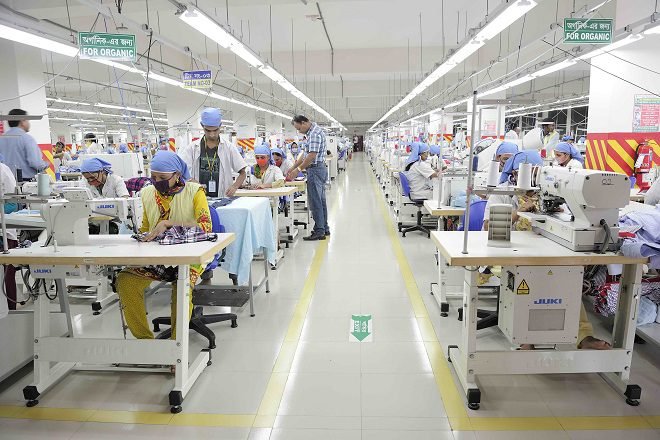
The right partner reduces mistakes and helps brands move faster.
Step-by-Step Brand Launch Process
Step 1: Define Your Brand Direction
Before contacting a manufacturer, understand your brand identity.
Decide:
- Target customer
- Product category
- Price positioning
- Brand style
- Key products
For example:
| Brand Type | Suitable Products |
|---|---|
| Streetwear Brand | Hoodies, oversized T-shirts, cargo pants |
| Fitness Brand | Gym shorts, leggings, performance wear |
| Premium Casual Brand | Heavyweight basics, jackets, knitwear |
A clear direction helps manufacturers recommend suitable solutions.
Step 2: Create Product Specifications
Manufacturers need clear information before development begins.
Prepare:
- Design images
- Tech packs
- Size charts
- Fabric requirements
- Color references
- Branding details
The more information provided, the smoother production becomes.
Step 3: Find a Suitable Manufacturing Partner
Not every factory is suitable for every brand.
Consider:
| Factor | Why It Matters |
|---|---|
| Experience | Understands your product category |
| MOQ | Matches your business stage |
| Sampling Ability | Helps improve products |
| Communication | Reduces misunderstandings |
| Quality Control | Protects your brand reputation |
Choose a partner based on long-term cooperation, not only price.
Step 4: Develop Your First Samples
Samples allow you to test your product before investing in bulk production.
Review:
- Fabric quality
- Fit
- Construction
- Printing
- Embroidery
- Packaging
A professional manufacturer should help you improve the product during this stage.
Step 5: Approve Production and Manufacture
After sample approval, the factory begins bulk production.
The process usually includes:
- Fabric preparation
- Cutting
- Sewing
- Decoration
- Finishing
- Quality inspection
- Packing
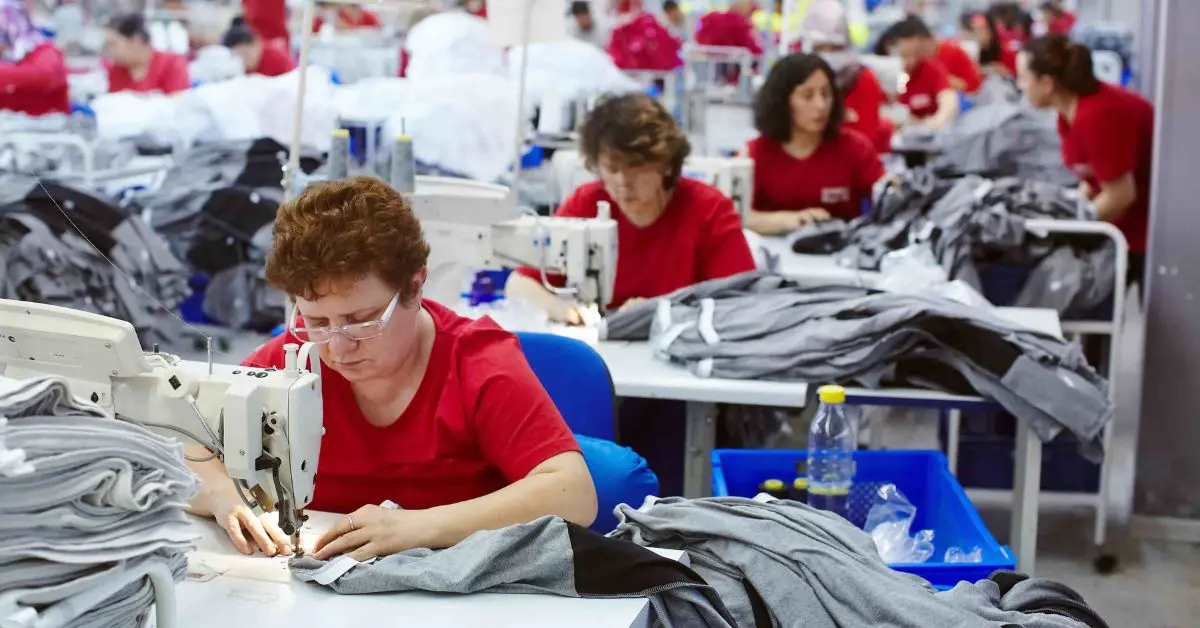
A strong production system ensures consistent results.
Step 6: Launch Your Collection
After receiving products, focus on:
- Product photography
- Website building
- Social media marketing
- Customer feedback
Your first collection should help you understand your market and improve future releases.
How to Choose the Right Manufacturer Partner
From my experience, the best manufacturer relationships are built on communication and trust.
A strong partner should provide:
Product Development Support
They should help you choose:
- Suitable fabrics
- Construction methods
- Production solutions
Flexible Production Options
New brands often need:
- Lower MOQs
- Small test orders
- Multiple revisions
A flexible manufacturer allows brands to grow gradually.
Reliable Quality Control
Look for manufacturers with:
- Sample approval processes
- Inline inspections
- Final quality checks
For example, Fuki Apparel works with brands from initial product development to final shipment, providing OEM and private label clothing manufacturing support including sampling, production management, and quality control.
Common Mistakes New Brands Make
Choosing Only the Cheapest Factory
Low prices can create problems such as:
- Poor quality
- Delays
- Limited support
The cheapest option is not always the most cost-effective.
Skipping Product Testing
Launching without proper samples can result in:
- Fit issues
- Customer complaints
- Expensive corrections
Always test before bulk production.
Poor Communication
Manufacturing requires clear communication about:
- Design changes
- Deadlines
- Quality expectations
Good communication prevents unnecessary problems.
Resources
Internal Resources
External Resources
- https://www.businessoffashion.com/
- https://www.sourcingjournal.com/
- https://www.oeko-tex.com/
- https://bettercotton.org/
FAQ
Can I start a clothing brand without manufacturing experience?
Yes. Many successful brands work with experienced manufacturers that provide product development support.
What should I ask a clothing manufacturer?
Ask about:
- MOQ
- Sample cost
- Production timeline
- Fabric options
- Quality control
- Customization ability
How long does it take to launch a clothing brand?
Depending on product complexity, development and production can take several weeks to several months.
Should startups choose low MOQ manufacturers?
Usually yes. Lower MOQs allow brands to test products before investing heavily.
What makes a good manufacturer partner?
A good partner provides quality products, clear communication, production expertise, and reliable support.
Final Thoughts
From my experience, launching a clothing brand becomes much easier when you treat your manufacturer as a partner instead of just a supplier.
The right manufacturing partner can help you avoid production mistakes, improve product quality, and turn your ideas into market-ready products.
A successful clothing brand starts with a strong foundation: clear positioning, great products, and a reliable production partner.
If you're ready to develop your own collection, Fuki Apparel provides complete OEM and private label manufacturing solutions to help brands move from concept to finished apparel.
