
If you're starting a clothing brand, one of the most important steps is getting product samples from your manufacturer.
From my experience working with apparel startups and OEM factories, samples are where most brands either build strong production relationships—or make costly mistakes.
A sample is not just a product. It is a test of communication, quality, and manufacturing capability.
In this guide, I'll show you exactly how professional brands request samples, what to check, what to avoid, and how to improve your chances of getting high-quality results from clothing manufacturers.
Table of Contents
- Quick Answer
- What Are Clothing Samples?
- Why Samples Matter
- How to Request Samples Properly
- Sample Evaluation Checklist
- Common Mistakes
- Professional Tips to Get Better Samples
- Internal & External Resources
- FAQ
- Final Thoughts
Quick Answer
To get samples from clothing manufacturers the right way, you should:
- Prepare clear tech packs or design references
- Communicate fabric, fit, and details precisely
- Confirm sample cost and timeline upfront
- Start with simple designs before complex customization
- Evaluate quality before placing bulk orders
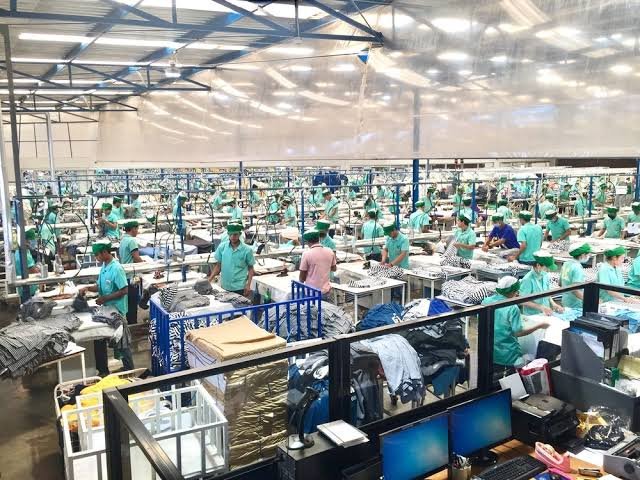
👉 A good sample process reduces production risk and ensures your final product matches your expectations.
What Are Clothing Samples?
A clothing sample is a prototype garment made before mass production.
It helps you evaluate:
- Fabric quality
- Fit and sizing
- Stitching and construction
- Printing or embroidery
- Overall design execution
From my experience, samples are the most important stage in apparel development because they reveal how a factory actually works—not just what they promise.
Why Samples Matter
Many new brands underestimate sampling.
Here’s why professional brands never skip this step:
1. Prevents Costly Production Mistakes
A small mistake in sampling can become a big issue in bulk production.
2. Confirms Manufacturer Capability
A sample shows whether the factory can actually execute your design correctly.
3. Aligns Expectations
It ensures both you and the factory understand:
- Fabric choice
- Color tone
- Fit standard
- Finishing level
4. Builds Long-Term Trust
Factories take serious clients more seriously after sample approval.
How to Request Samples Properly
Step 1: Prepare a Clear Design Brief
Include:
- Product type
- Fabric preference
- Color reference
- Size specifications
- Printing/embroidery details
The clearer your brief, the better your sample.
Step 2: Send Reference Images
If you don’t have tech packs, use:
- Similar products
- Moodboards
- Sketches
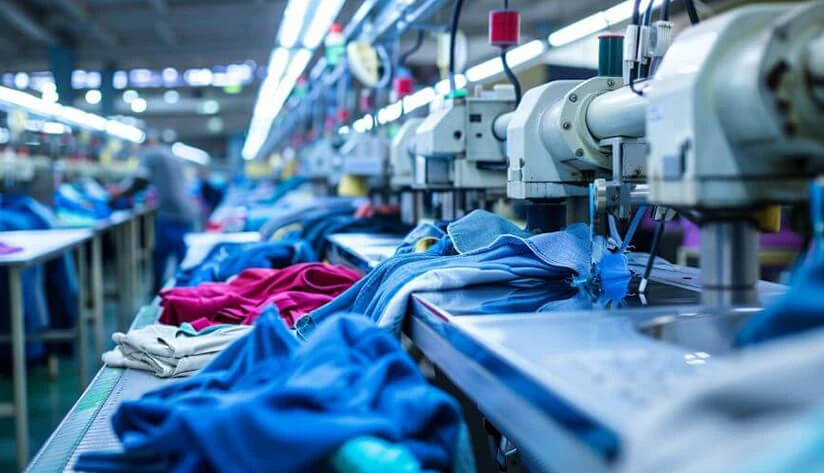
Factories rely heavily on visual references.
Step 3: Confirm Sample Cost
Most manufacturers charge for samples due to:
- Material waste
- Labor time
- Pattern making
Typical range: $30–$150 depending on complexity.
Step 4: Ask for Timeline
Standard sampling time:
- Simple T-shirt: 5–10 days
- Hoodies: 7–14 days
- Complex garments: 10–25 days
Step 5: Start Simple First
From my experience, startups should begin with:
- Basic hoodie
- Basic T-shirt
- Simple joggers
Before moving into complex designs.
Sample Evaluation Checklist
When you receive a sample, evaluate:
| Category | What to Check |
|---|---|
| Fabric | Thickness, texture, shrinkage |
| Stitching | Evenness, strength, alignment |
| Fit | Accuracy to size spec |
| Print/Embroidery | Placement, durability |
| Finishing | Labels, trims, packaging |
Common Mistakes
Avoid these beginner mistakes:
❌ Sending unclear instructions
❌ Skipping reference images
❌ Not confirming cost upfront
❌ Ignoring fabric differences
❌ Approving samples too quickly
These mistakes often lead to poor bulk production results.
Professional Tips to Get Better Samples
From my experience working with manufacturers, these strategies help improve results:
1. Be Extremely Specific
Vague instructions always lead to misunderstandings.
2. Use Standard Fabrics First
Custom fabrics increase risk and lead time.
3. Communicate Like a Brand, Not a Buyer
Factories respond better to structured communication.
4. Build Long-Term Relationship
Factories prioritize clients who plan repeat orders.
5. Work With Experienced OEM Manufacturers
For example:
Fuki Apparel provides OEM and private label sampling services for streetwear brands, including hoodies, T-shirts, cargo pants, and custom garments.
Internal & External Resources
Internal Resources
Industry Resources
FAQ
How long does it take to get a clothing sample?
Usually 5–25 days depending on design complexity.
Do manufacturers charge for samples?
Yes, most factories charge sample fees to cover materials and labor.
Can I get free samples?
Some factories offer free samples for long-term partners or bulk buyers, but most charge initially.
What if the sample is not good?
You can request revisions or adjust specifications before bulk production.
Should I approve samples quickly?
No. Always inspect carefully before approval, especially for fabric and stitching quality.
Final Thoughts
From my experience, sampling is the most important step in building a successful clothing brand.
A good sample process is not just about product testing—it is about building trust with your manufacturer and ensuring your final production meets expectations.
If you're working with OEM or private label manufacturing, a reliable partner like:
can help you streamline sampling, reduce errors, and move efficiently into bulk production.
