
When people think about streetwear, they usually focus on:
- Graphics
- Logos
- Fits
- Colors
But after years of working with streetwear brands, I've learned something important:
Fabric often matters more than design.
A great graphic printed on cheap fabric still feels cheap.
Meanwhile, a simple oversized T-shirt made from premium fabric can become a best-selling product.
Whether you're developing heavyweight hoodies, vintage-washed tees, cargo pants, or luxury streetwear essentials, choosing the right fabric is one of the most important decisions you'll make.
In this guide, I'll explain how to choose fabrics for different streetwear products, what GSM actually means, and how successful brands use fabric selection to differentiate themselves in 2026.
Table of Contents
- 1. Why Fabric Matters in Streetwear
- 2. Understanding Fabric Basics
- 3. The Most Popular Streetwear Fabrics
- 4. Fabric Selection by Product Type
- 5. Understanding GSM and Fabric Weight
- 6. Fabric Comparison Chart
- 7. Common Fabric Mistakes Brands Make
- 8. How to Select Fabrics Like Premium Streetwear Brands
- 9. FAQ
- Final Thoughts
1. Why Fabric Matters in Streetwear
Fabric affects nearly every aspect of a garment.
Fabric Influences
- Comfort
- Durability
- Fit
- Drape
- Appearance
- Printing quality
- Customer satisfaction
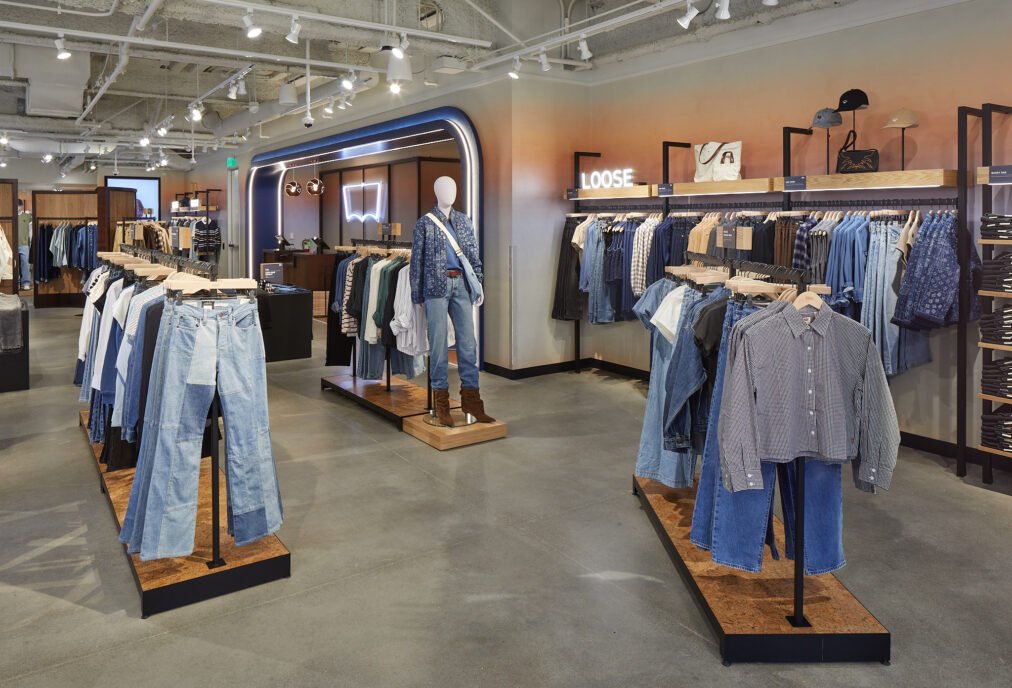
Many consumers can't explain why they like a garment.
But they can immediately feel the difference between cheap and premium fabric.
Customer Perception Example
| Fabric Quality | Customer Reaction |
|---|---|
| Low Quality | Feels cheap |
| Medium Quality | Acceptable |
| Premium Quality | Worth the price |
This is why fabric selection often determines whether a product feels premium or ordinary.
2. Understanding Fabric Basics
Before choosing fabrics, it's important to understand a few key terms.
Fiber
The raw material used to create fabric.
Examples:
- Cotton
- Polyester
- Nylon
- Rayon
Fabric Construction
How fibers are knitted or woven.
Examples:
- Jersey
- French Terry
- Fleece
- Twill
- Canvas
GSM
GSM stands for:
Grams Per Square Meter
It measures fabric weight.
Higher GSM generally means:
- Heavier fabric
- More structure
- More premium feel
But heavier isn't always better.
The right GSM depends on the product.
3. The Most Popular Streetwear Fabrics
100% Cotton Jersey
The most common fabric for streetwear T-shirts.
Benefits
✔ Soft
✔ Breathable
✔ Easy to print
✔ Natural feel
Best For
- Graphic tees
- Oversized T-shirts
- Vintage T-shirts
French Terry
French Terry has loops on the inside and a smooth surface outside.
Benefits
✔ Comfortable
✔ Breathable
✔ Premium appearance
Best For
- Hoodies
- Sweatshirts
- Joggers
Fleece
Fleece features a brushed interior.
Benefits
✔ Warm
✔ Soft
✔ Luxury feel
Best For
- Winter hoodies
- Heavyweight sweatpants
Cotton-Poly Blends
A blend of natural and synthetic fibers.
Benefits
✔ Better durability
✔ Less shrinkage
✔ Lower cost
Best For
- Everyday basics
- Mid-range collections
Twill Fabric
A woven fabric known for durability.
Best For
- Cargo pants
- Workwear-inspired streetwear
- Utility jackets
Denim
Denim remains a major streetwear category.
Best For
- Baggy jeans
- Denim jackets
- Washed streetwear collections
4. Fabric Selection by Product Type
Choosing fabric becomes easier when you start with the product.
T-Shirts
| Product Type | Recommended Fabric |
|---|---|
| Basic Tee | 180–220 GSM Cotton |
| Premium Tee | 240–280 GSM Cotton |
| Luxury Oversized Tee | 280–320 GSM Cotton |
Hoodies
| Product Type | Recommended Fabric |
|---|---|
| Standard Hoodie | 320–380 GSM French Terry |
| Premium Hoodie | 400–500 GSM Fleece |
| Luxury Hoodie | 450–600 GSM Heavy Fleece |
Sweatpants
| Product Type | Recommended Fabric |
|---|---|
| Basic Sweatpants | 320 GSM Terry |
| Premium Sweatpants | 380–450 GSM Fleece |
Cargo Pants
| Product Type | Recommended Fabric |
|---|---|
| Lightweight Cargo | Cotton Twill |
| Heavy Utility Cargo | Heavyweight Twill |
5. Understanding GSM and Fabric Weight
One of the biggest mistakes beginners make is choosing fabric solely based on GSM.
Typical GSM Guide
| Weight Category | GSM |
|---|---|
| Lightweight | 120–180 |
| Midweight | 180–260 |
| Heavyweight | 260–350 |
| Premium Heavyweight | 350–500 |
| Ultra Heavyweight | 500+ |
Recommended Streetwear GSM
| Product | Ideal GSM |
|---|---|
| T-Shirt | 220–320 |
| Hoodie | 350–500 |
| Sweatshirt | 320–450 |
| Sweatpants | 320–450 |
Premium streetwear brands often use heavier fabrics because they create a more structured silhouette.
6. Fabric Comparison Chart
Streetwear Fabric Comparison
| Fabric | Comfort | Durability | Cost | Best Use |
|---|---|---|---|---|
| Cotton Jersey | High | Medium | Low | T-Shirts |
| French Terry | High | High | Medium | Hoodies |
| Fleece | Very High | High | Medium | Winter Apparel |
| Twill | Medium | Very High | Medium | Cargo Pants |
| Denim | Medium | Very High | Medium | Jeans & Jackets |
This chart can help narrow your choices.
7. Common Fabric Mistakes Brands Make
Mistake #1: Choosing Fabric Based Only on Cost
Cheaper fabric often leads to:
- Poor reviews
- Lower perceived value
- Higher return rates
Mistake #2: Using Heavy Fabric Everywhere
Heavyweight fabric works well for hoodies.
Not necessarily for summer T-shirts.
Mistake #3: Ignoring Shrinkage
Different fabrics react differently after washing.
Always request wash tests.
Mistake #4: Following Trends Blindly
Just because a brand uses 500 GSM hoodies doesn't mean it's right for your audience.
Choose fabric based on customer needs.
8. How to Select Fabrics Like Premium Streetwear Brands
Successful streetwear brands rarely select fabric randomly.
They begin by asking:
Key Questions
- Who is the customer?
- What season is this collection for?
- What fit are we targeting?
- What price point are we targeting?
Premium Brand Strategy
| Goal | Fabric Approach |
|---|---|
| Luxury Streetwear | Heavyweight Cotton |
| Everyday Basics | Cotton Blend |
| Winter Collection | Heavy Fleece |
| Utility Collection | Twill & Canvas |
| Vintage Collection | Washed Cotton |
Helpful Resources
If you're sourcing fabrics for custom streetwear production:
Industry references:
9. FAQ
What fabric is best for streetwear T-shirts?
Most premium streetwear brands use 100% cotton jersey between 240 and 320 GSM.
What fabric is best for oversized hoodies?
Heavyweight French Terry and fleece fabrics between 380 and 500 GSM are popular choices.
Is higher GSM always better?
No. The right GSM depends on the product and intended use.
What fabric is best for cargo pants?
Cotton twill remains one of the most common and durable options.
Should startups use premium fabrics immediately?
Not necessarily. Startups should balance fabric quality with budget and target market.
Final Thoughts
Choosing the right fabric is one of the most important decisions in streetwear product development.
The best fabric isn't necessarily:
- The most expensive
- The heaviest
- The trendiest
It's the fabric that best supports your:
- Product category
- Customer expectations
- Brand positioning
- Price point
From my experience, brands that invest time into fabric selection create products that customers remember, recommend, and repurchase.
If you're developing a streetwear collection and need support with fabric sourcing, product development, sampling, or custom manufacturing, explore:
Remember:
Great streetwear starts with great fabric.
