
Choosing a clothing supplier is one of the most important decisions a brand owner will make.
Many founders compare suppliers only by price, MOQ, or production time. However, after working with apparel brands and manufacturers, I have learned that the cheapest supplier is not always the best choice.
The right supplier should help your brand grow by providing:
- Stable quality
- Reliable communication
- Production experience
- Flexible solutions
- Long-term support
This guide explains how to compare multiple clothing suppliers and choose the right manufacturing partner for your brand.
Table of Contents
- Quick Answer
- Why Choosing the Right Supplier Matters
- Create Your Supplier Evaluation Checklist
- Compare Suppliers by Key Factors
- How to Evaluate Supplier Quality
- Price vs Value: Which Supplier Should You Choose
- Questions to Ask Before Making a Decision
- Common Supplier Selection Mistakes
- Resources
- FAQ
- Final Thoughts
Quick Answer
When choosing between multiple clothing suppliers, compare:
- Product quality
- Manufacturing experience
- Communication speed
- MOQ flexibility
- Production capacity
- Quality control system
- Total value, not only price
The best supplier is the one that matches your brand stage and future growth plans.
Why Choosing the Right Supplier Matters
Your supplier directly affects your brand reputation.
A wrong supplier can create problems such as:
- Poor product quality
- Missed delivery dates
- Inconsistent sizing
- Customer complaints
- Lost sales opportunities
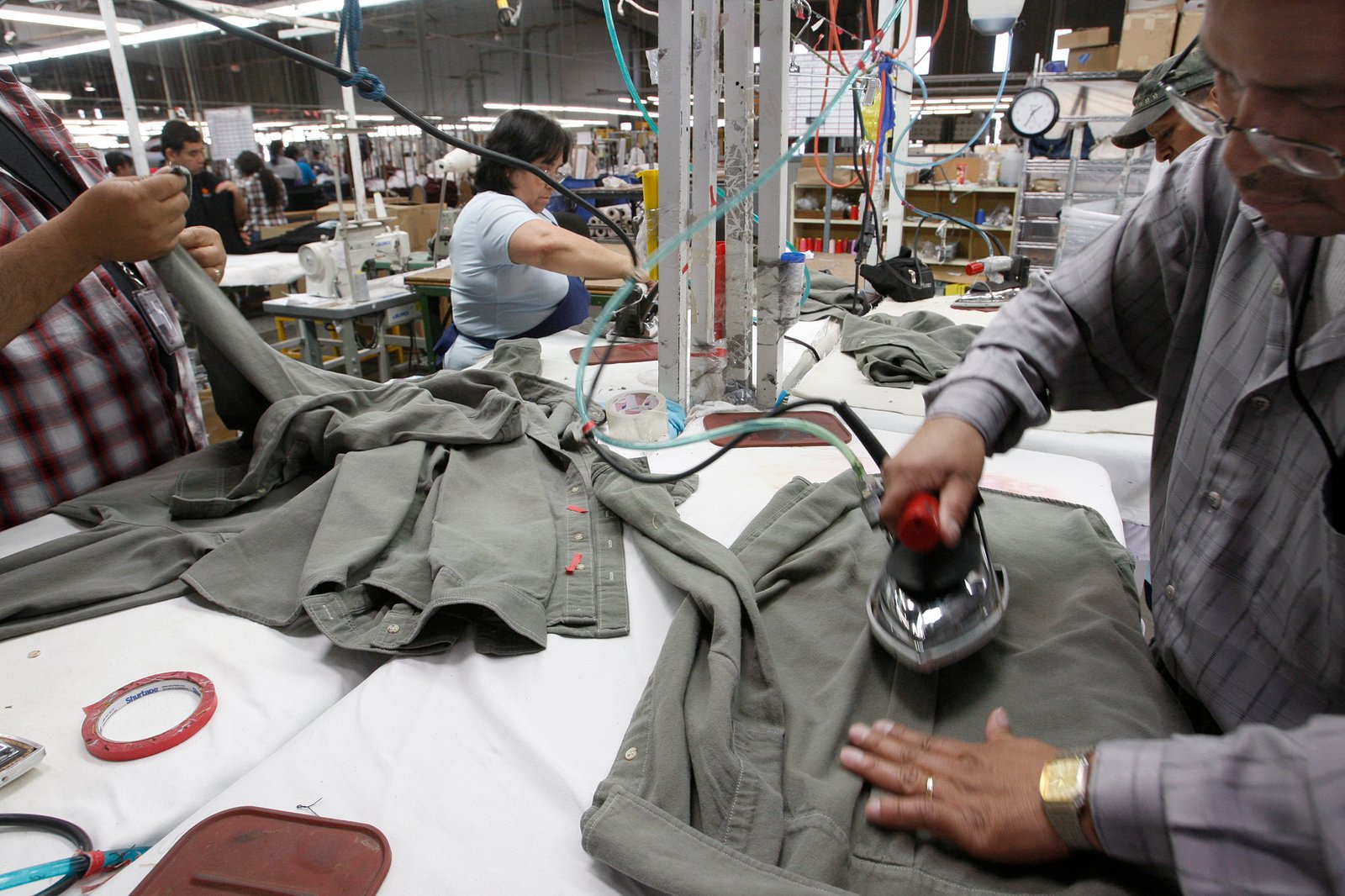
A reliable supplier becomes a production partner who helps your brand improve over time.
Create Your Supplier Evaluation Checklist
Before comparing suppliers, define what matters most for your brand.
Different brands need different types of manufacturers.
For example:
| Brand Stage | Supplier Priority |
|---|---|
| New Startup | Low MOQ and development support |
| Growing Brand | Quality consistency and production capacity |
| Established Brand | Large-scale production and efficiency |
Define Your Product Requirements First
Before requesting quotes, prepare:
- Product category
- Fabric requirements
- Target quality level
- Order quantity
- Custom details
- Delivery expectations
Clear requirements help you compare suppliers fairly.
Compare Suppliers by Key Factors
Price is only one part of supplier selection.
A professional evaluation should include:
| Evaluation Factor | What to Check |
|---|---|
| Experience | Similar products produced before |
| Quality | Sample and bulk consistency |
| Communication | Response speed and understanding |
| MOQ | Suitable for your business stage |
| Production Capacity | Ability to support growth |
| Lead Time | Realistic delivery schedule |
| Customization | Labels, packaging, designs |
How to Evaluate Supplier Quality
Quality should be tested before placing large orders.
I recommend checking:
Sample Quality
Review:
- Fabric hand feel
- Stitching
- Fit
- Construction
- Printing or embroidery
A supplier who creates good samples is more likely to produce better bulk orders.
Production Process
Ask suppliers about:
- Fabric inspection
- Cutting process
- Sewing standards
- Quality inspections
A professional manufacturer should have clear quality control procedures.
Previous Experience
Look for suppliers that understand your category.
For example:
A streetwear brand may need experience with:
- Heavyweight fabrics
- Oversized fits
- Vintage washing
- Special printing techniques
A fitness brand may need:
- Performance fabrics
- Stretch materials
- Moisture-wicking technology
Price vs Value: Which Supplier Should You Choose?
Many brands choose suppliers based only on the lowest quotation.
This can create problems later.
A lower price may mean:
- Lower fabric quality
- Less production support
- Weak quality control
- More defects
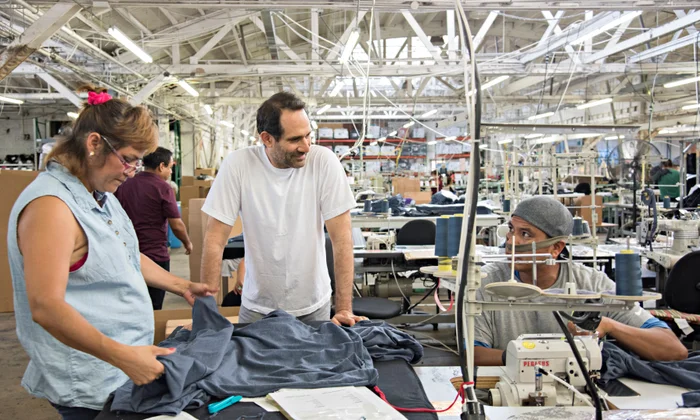
Compare Total Value
| Supplier Type | Advantage | Risk |
|---|---|---|
| Cheapest Supplier | Lower initial cost | Possible quality issues |
| Premium Supplier | Better support and quality | Higher investment |
| Experienced Partner | Balance of quality and reliability | Requires proper communication |
The best supplier is usually the one that provides the best overall value.
Questions to Ask Before Making a Decision
Before selecting a supplier, ask:
Production Questions
- What products do you specialize in?
- What is your MOQ?
- What is your sample timeline?
- What is your bulk production lead time?
- How do you control quality?
Development Questions
- Can you recommend fabrics?
- Can you help improve designs?
- Can you create custom labels and packaging?
- Can you support future product expansion?
Business Relationship Questions
- Who will manage my order?
- How do you handle production issues?
- How do you communicate updates?
Strong communication prevents many production problems.
Common Supplier Selection Mistakes
Choosing Only Based on Price
The cheapest supplier may not provide the best business result.
Consider:
- Quality
- Reliability
- Communication
- Long-term cooperation
Selecting a Supplier Without Testing Samples
Never place a large order without confirming product quality.
Samples reveal:
- Manufacturing ability
- Attention to detail
- Understanding of your requirements
Comparing Suppliers Without Clear Standards
Do not compare suppliers randomly.
Use the same criteria:
- Same product details
- Same quantity
- Same quality expectations
This creates a fair comparison.
Ignoring Long-Term Growth
Your first order may be small, but your brand may grow.
Choose suppliers who can support:
- More products
- Larger quantities
- New collections
Resources
Internal Resources
External Resources
- https://www.businessoffashion.com/
- https://www.sourcingjournal.com/
- https://www.oeko-tex.com/
- https://bettercotton.org/
FAQ
Should I choose the cheapest clothing supplier?
Not always. A slightly higher price may provide better quality, fewer problems, and stronger long-term value.
How many suppliers should I compare?
For most brands, comparing 3–5 qualified suppliers is enough to understand the market.
What is the most important factor when choosing a supplier?
Quality consistency and communication are usually more important than the lowest price.
Should startups choose suppliers with low MOQ?
Usually yes. Lower MOQ helps new brands test products and reduce inventory risks.
How do I know if a supplier is reliable?
Check samples, production experience, communication quality, and previous customer experience.
Final Thoughts
From my experience, choosing a clothing supplier is not about finding the cheapest factory.
It is about finding the right partner for your brand.
The best supplier should understand your products, support your growth, and help you maintain consistent quality as your business expands.
Take time to compare suppliers carefully. A good manufacturing partner can become one of your biggest advantages in the apparel industry.
If you are looking for a reliable OEM and private label partner, Fuki Apparel supports brands with product development, sampling, custom manufacturing, and quality control to help turn ideas into successful clothing collections.
