
Table of Contents
- Quick Answer
- Why Many Streetwear Collections Fail
- Start With a Clear Concept
- Choose Products That Actually Sell
- Balance Creativity and Wearability
- Use Data and Trend Research
- Streetwear Collection Structure Example
- Pricing Strategy for Streetwear Collections
- Production Planning for Small Brands
- Streetwear Collection Planning Checklist
- FAQ
- Conclusion
- Internal Reference
Quick Answer
A streetwear collection that actually sells usually follows three core principles:
- Strong brand concept
- Focused product lineup
- Market-aware pricing and design
From my experience observing streetwear startups and apparel production workflows, the brands that succeed rarely release huge collections.
Instead, they launch tight, well-curated drops that connect with a specific audience.
Why Many Streetwear Collections Fail
Many new streetwear brands design products they personally like but forget to consider market demand.
Common reasons collections fail include:
- too many unrelated designs
- inconsistent brand identity
- pricing that doesn’t match product quality
- weak marketing before the drop
Streetwear culture thrives on coherent storytelling and community connection, not random designs.
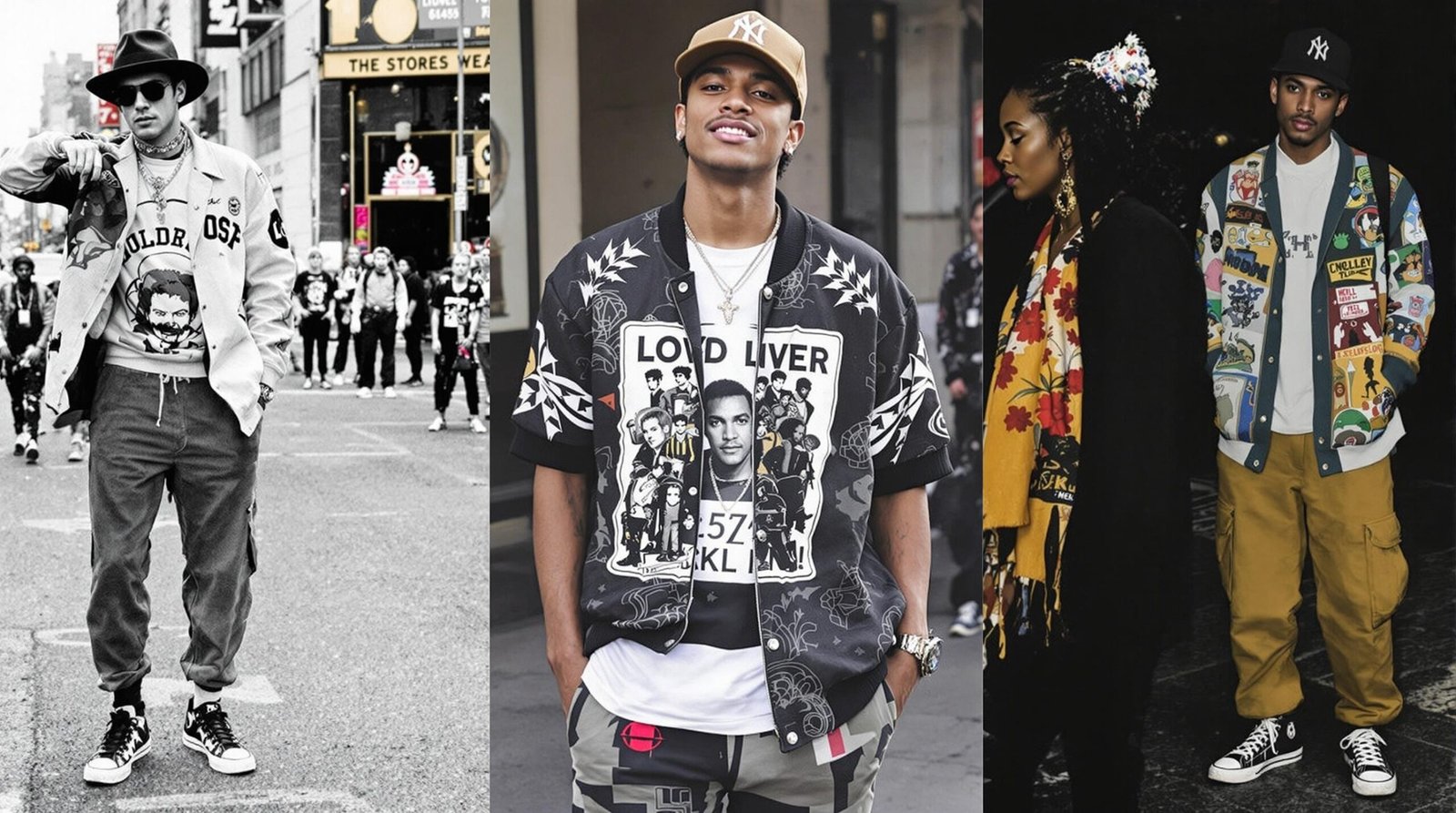
Industry coverage from
Highsnobiety – Streetwear Culture
often highlights how successful brands build collections around a consistent visual concept.
Start With a Clear Concept
Every strong streetwear collection begins with a clear theme.
Examples include:
- skate culture inspiration
- vintage sports aesthetics
- music and hip-hop influence
- urban minimalism
A clear concept helps ensure all products in the collection feel connected.
Instead of random designs, think of your collection as a visual story.
Choose Products That Actually Sell
New streetwear brands should prioritize proven product categories.
Core Streetwear Products
| Product | Why It Works |
|---|---|
| Graphic T-shirts | Entry-level product with strong demand |
| Hoodies | High perceived value |
| Sweatshirts | Versatile everyday wear |
| Caps & accessories | Easy add-on purchases |
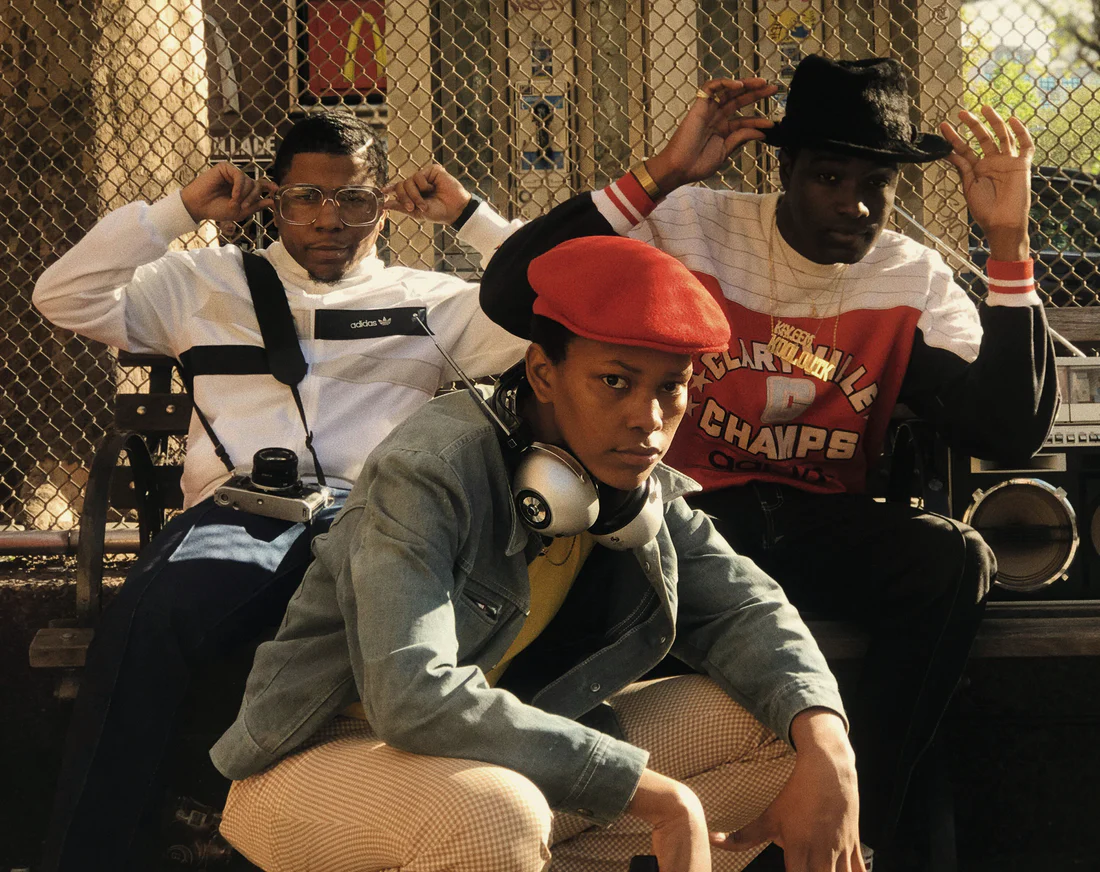
Starting with these items reduces risk.
Streetwear media platforms like
Hypebeast – Streetwear Industry
frequently show how many emerging brands build collections around these core items.
Balance Creativity and Wearability
Streetwear collections should combine bold design with everyday wearability.
If designs are too experimental, customers may admire them but not buy them.
A good rule is:
- 70% wearable pieces
- 30% statement pieces
This balance helps brands maintain creativity while still driving sales.
Use Data and Trend Research
Successful collections rarely rely purely on creative instinct.
Smart brands analyze:
- fashion trends
- social media engagement
- competitor releases
Fashion analysis platforms such as
Business of Fashion – Fashion Market Insights
highlight how data-driven design decisions help brands reduce product risk.
Trend awareness helps guide design direction without copying competitors.
Streetwear Collection Structure Example
A typical small streetwear collection may include:
| Category | Product Example |
|---|---|
| Core item | Oversized graphic T-shirt |
| Statement piece | Bold print hoodie |
| Everyday item | Minimal logo sweatshirt |
| Accessory | Cap or beanie |
This structure keeps the collection balanced and focused.
Pricing Strategy for Streetwear Collections
Pricing strongly affects how customers perceive your brand.
Typical streetwear pricing ranges include:
| Product | Typical Price Range |
|---|---|
| T-shirt | $40 – $70 |
| Hoodie | $80 – $150 |
| Jacket | $120 – $300 |
Pricing too low may make the brand appear low-quality.
Pricing should reflect:
- fabric quality
- brand positioning
- design value
Production Planning for Small Brands
Production planning is critical for successful launches.
New brands should start with limited quantities.
Advantages of smaller production runs include:
- lower financial risk
- faster product iteration
- stronger exclusivity
Streetwear brands often use limited drops to create demand.
Streetwear Collection Planning Checklist
Before launching your collection, review this checklist.
| Task | Status |
|---|---|
| Collection concept defined | ✓ |
| Target audience identified | ✓ |
| Product lineup finalized | ✓ |
| Manufacturing arranged | ✓ |
| Pricing strategy set | ✓ |
| Marketing content prepared | ✓ |
This ensures the collection is launch-ready.
FAQ
How many products should be in a streetwear collection?
Most new brands launch with 4–8 products.
Should collections follow a theme?
Yes. A clear concept strengthens brand identity.
How do you know if a design will sell?
Analyze market trends, social media engagement, and competitor releases.
Should small brands produce large quantities?
Usually no. Smaller production runs help test market demand.
Conclusion
Building a streetwear collection that sells requires more than creative designs.
Successful collections combine:
- clear brand storytelling
- focused product selection
- market research
- smart production planning
By balancing creativity with strategic decision-making, brands can create collections that attract attention and generate real sales.
Internal Reference
If you are planning to develop a streetwear collection and need reliable production support, explore:
👉 Fuki Apparel – Streetwear Manufacturing Solutions
Experienced manufacturing partners can help transform streetwear ideas into high-quality clothing collections.
