
Building a streetwear brand from scratch is one of the most exciting—and challenging—business journeys you can take.
Every successful brand, from a small local label to global names like Supreme and Fear of God, started with a simple idea.
The difference is that successful founders don't just create clothing.
They create a brand, a culture, and a reason for people to care.
Over the years, I've worked with startup streetwear brands across different markets, and I've noticed that most successful brands follow a similar path.
Not because there's only one way to succeed.
But because there are certain fundamentals that almost every successful brand gets right.
In this guide, I'll walk you through the complete process of building a streetwear brand from scratch—from idea validation to product development, manufacturing, marketing, and scaling.
Table of Contents
- 1. What Makes Streetwear Different?
- 2. Start With a Brand, Not a Product
- 3. Define Your Target Audience
- 4. Build Your First Collection
- 5. Create a Product Development Plan
- 6. Find the Right Manufacturer
- 7. Build Your Online Presence
- 8. Launch Your First Drop
- 9. Learn From Customer Feedback
- 10. Scale the Brand Strategically
- 11. FAQ
- Final Thoughts
1. What Makes Streetwear Different?
Many people think streetwear is simply oversized hoodies and graphic T-shirts.
It isn't.
Streetwear combines:
- Fashion
- Community
- Identity
- Culture
- Storytelling
Traditional Clothing Brand vs Streetwear Brand
| Traditional Brand | Streetwear Brand |
|---|---|
| Product Focused | Culture Focused |
| Seasonal Collections | Product Drops |
| Broad Audience | Niche Community |
| Utility Driven | Identity Driven |
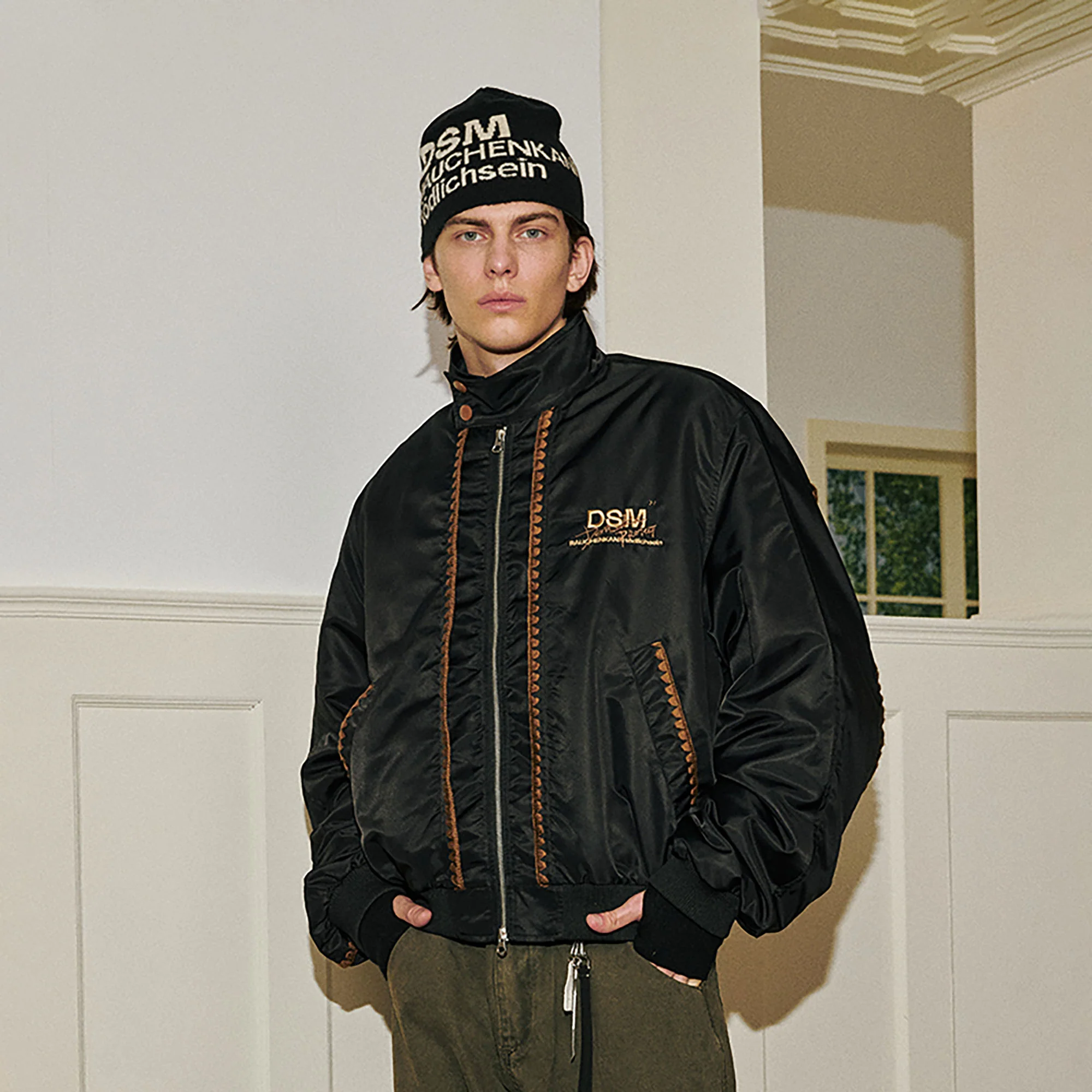
The strongest streetwear brands sell belonging—not just clothing.
2. Start With a Brand, Not a Product
One of the biggest mistakes new founders make is designing products before defining the brand.
Ask Yourself
- Who is this brand for?
- What does it represent?
- What problem does it solve?
- Why should people care?
Example Positioning
| Brand Direction | Target Audience |
|---|---|
| Minimal Luxury | Urban Professionals |
| Skate Culture | Teen & College Market |
| Vintage Inspired | Nostalgic Consumers |
| Technical Streetwear | Fashion Enthusiasts |
Your brand identity should guide every future decision.
3. Define Your Target Audience
Trying to sell to everyone usually means selling to no one.
Customer Research Framework
Understand:
- Age
- Interests
- Spending habits
- Fashion preferences
- Social platforms
Audience Example
| Category | Example |
|---|---|
| Age | 18–30 |
| Gender | Unisex |
| Interests | Sneakers, Music, Fashion |
| Platforms | Instagram, TikTok |
| Budget | $40–$120 Per Item |
The clearer your audience, the easier your marketing becomes.
4. Build Your First Collection
Many startups launch too many products.
A focused collection is usually more effective.
Recommended First Collection
| Product | Purpose |
|---|---|
| Oversized T-Shirt | Brand Introduction |
| Heavyweight Hoodie | Core Product |
| Sweatpants | Outfit Completion |
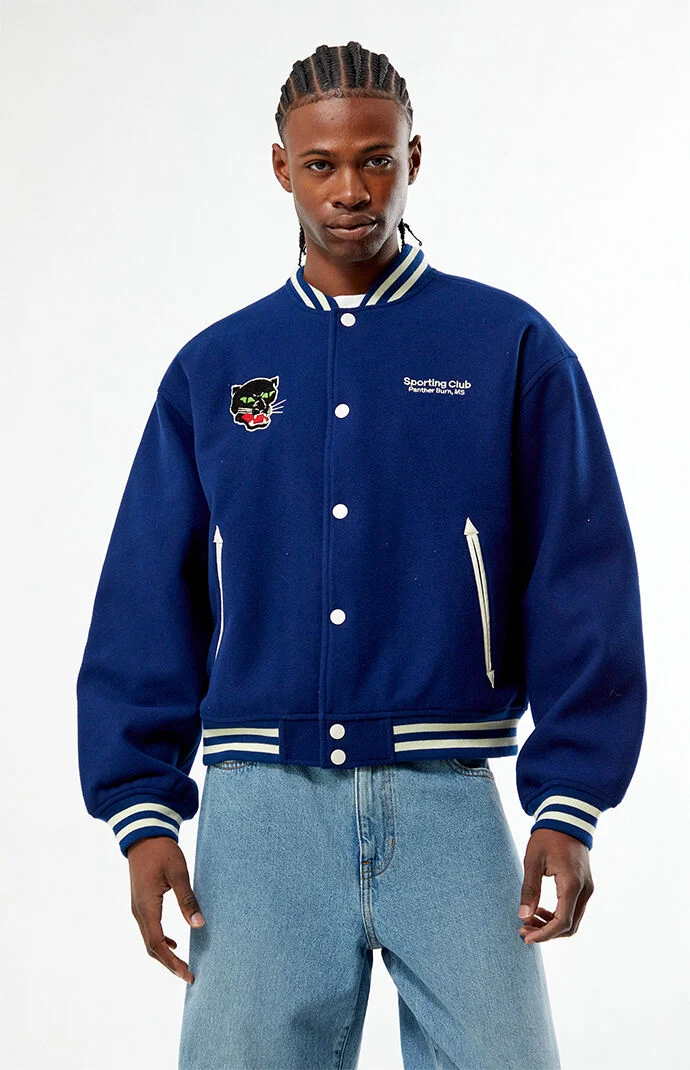
Why Small Collections Work
- Lower investment
- Easier inventory management
- Faster feedback
- Less risk
Think quality over quantity.
5. Create a Product Development Plan
Turning ideas into products requires structure.
Product Development Workflow
- Design Concept
- Tech Pack Creation
- Fabric Selection
- Sampling
- Revisions
- Bulk Production
Development Timeline
| Stage | Typical Time |
|---|---|
| Design | 1–2 Weeks |
| Sampling | 1–3 Weeks |
| Revisions | 1 Week |
| Production | 3–5 Weeks |
Planning prevents expensive mistakes later.
6. Find the Right Manufacturer
Your manufacturer can significantly influence your success.
What To Look For
✔ Streetwear experience
✔ Low MOQ options
✔ Strong communication
✔ Quality control systems
✔ Product development support
Helpful Manufacturing Resources
Factory Evaluation Checklist
| Factor | Priority |
|---|---|
| Product Expertise | Very High |
| Sample Quality | Very High |
| Communication | High |
| MOQ | High |
| Lead Time | Medium |
A great factory is more than a supplier—it becomes a growth partner.
7. Build Your Online Presence
Before launching products, start building attention.
Essential Channels
- TikTok
- Email Marketing
Content Ideas
- Design process
- Sampling updates
- Behind-the-scenes videos
- Product teasers
- Founder stories
The goal is to build trust before asking people to buy.
8. Launch Your First Drop
Successful streetwear brands rarely rely on surprise launches.
They create anticipation.
Recommended Launch Timeline
| Timeline | Action |
|---|---|
| 30 Days Before | Teasers |
| 21 Days Before | Product Reveals |
| 14 Days Before | Email Collection |
| 7 Days Before | Full Lookbook |
| Launch Day | Product Release |
Launch Priorities
✔ Professional photography
✔ Clear product descriptions
✔ Mobile-friendly website
✔ Email notifications
Launches should feel like events.
9. Learn From Customer Feedback
Your first collection is not your final collection.
Treat it as research.
What To Measure
- Best-selling products
- Size performance
- Return rates
- Customer reviews
- Repeat purchases
Feedback Sources
| Source | Value |
|---|---|
| Reviews | High |
| Email Surveys | High |
| Instagram Polls | Medium |
| Direct Messages | Medium |
Data should guide future collections.
10. Scale the Brand Strategically
Many brands fail because they scale too fast.
Sustainable Growth Framework
Stage 1
100–300 Pieces
Focus on validation.
Stage 2
500–1,000 Pieces
Focus on consistency.
Stage 3
2,000–5,000 Pieces
Focus on systems.
Stage 4
10,000+ Pieces
Focus on scalability.
Growth Priorities
| Stage | Main Goal |
|---|---|
| Startup | Product Validation |
| Growth | Operational Efficiency |
| Scaling | Supply Chain Optimization |
The strongest brands grow intentionally—not emotionally.
11. FAQ
How much money do I need to start a streetwear brand?
Many brands launch with $2,000–$10,000 depending on product complexity and order quantities.
Should I start with one product or multiple products?
Most brands benefit from launching 2–3 complementary products.
Do I need fashion experience?
No. Many successful founders learn through the process.
How long does it take to launch?
Most brands need 2–6 months from idea to first drop.
What is the biggest mistake beginners make?
Focusing on products before building a brand identity.
Final Thoughts
Building a streetwear brand from scratch is not about creating the perfect hoodie.
It's about building a system that combines:
- Brand identity
- Product quality
- Manufacturing
- Marketing
- Community
From my experience, the most successful founders focus on solving one problem at a time.
They don't try to become Supreme overnight.
Instead, they focus on building trust, improving products, and growing consistently.
Remember:
A successful streetwear brand is built one collection, one customer, and one improvement at a time.
If you're looking for support with product development, sampling, and manufacturing, explore:
Industry resources:
Start small.
Stay consistent.
Build something people genuinely want to be part of.
