
Building a private label clothing brand is not only about creating attractive products. Many founders can design clothing, but only a few build brands that generate consistent profit.
From my experience working with apparel brands and manufacturers, profitability comes from making the right decisions before production starts:
- Choosing the right products
- Understanding your customers
- Controlling manufacturing costs
- Building a reliable supply chain
- Creating products people want to buy repeatedly
This guide explains how to build a profitable private label clothing brand step by step, from the first idea to long-term growth.
Table of Contents
- Quick Answer
- Understand What Makes a Private Label Brand Profitable
- Choose the Right Product Strategy
- Find the Right Manufacturing Partner
- Control Production Costs and Pricing
- Build Brand Value Beyond Products
- Scale Your Private Label Clothing Business
- Common Mistakes to Avoid
- Resources
- FAQ
- Final Thoughts
Quick Answer
To build a profitable private label clothing brand, you need:
- A clear target customer
- Products with strong market demand
- Reliable private label manufacturing
- Healthy profit margins
- Consistent product quality
- Effective branding and marketing
A profitable brand is built by combining great products with smart business decisions.
Understand What Makes a Private Label Brand Profitable
Private label means creating products under your own brand name instead of selling existing products from another company.
The biggest advantage is control.
You control:
- Product design
- Fabric selection
- Branding
- Packaging
- Pricing
- Customer experience
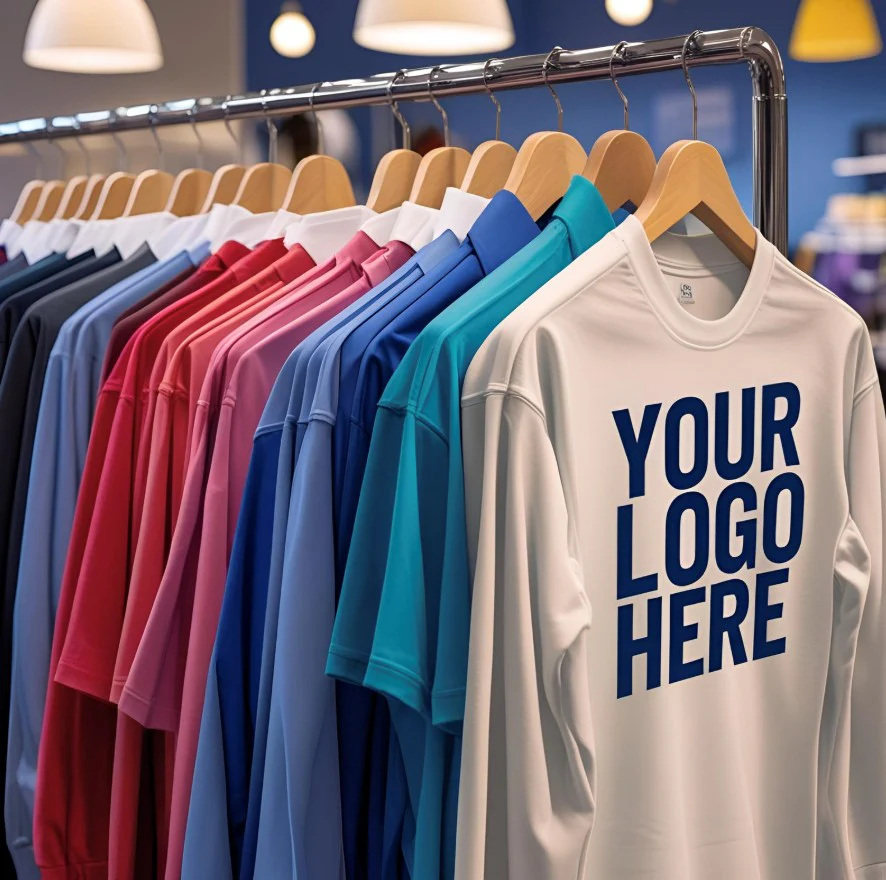
However, profitability depends on more than having your own label.
The Basic Profit Formula
A simple way to understand clothing profitability:
| Factor | Impact |
|---|---|
| Manufacturing Cost | Determines your product investment |
| Selling Price | Determines revenue potential |
| Marketing Cost | Affects customer acquisition |
| Return Rate | Impacts actual profit |
| Repeat Customers | Creates long-term growth |
A product with a low production cost is not always profitable if customers do not value it.
Choose the Right Product Strategy
Many new clothing brands fail because they start with too many products.
A better approach is building around a focused product strategy.
Start with:
- One strong product category
- A clear customer group
- A recognizable design style
Examples:
| Brand Position | Suitable Products |
|---|---|
| Streetwear Brand | Oversized hoodies, graphic T-shirts, cargo pants |
| Premium Basics Brand | Heavyweight T-shirts, essential hoodies |
| Fitness Brand | Performance shirts, gym shorts, activewear |
Focus on Products With Repeat Potential
Profitable brands usually create products customers want to buy again.
Good examples include:
- Everyday basics
- Signature hoodies
- Seasonal collections
- Core products with updated colors
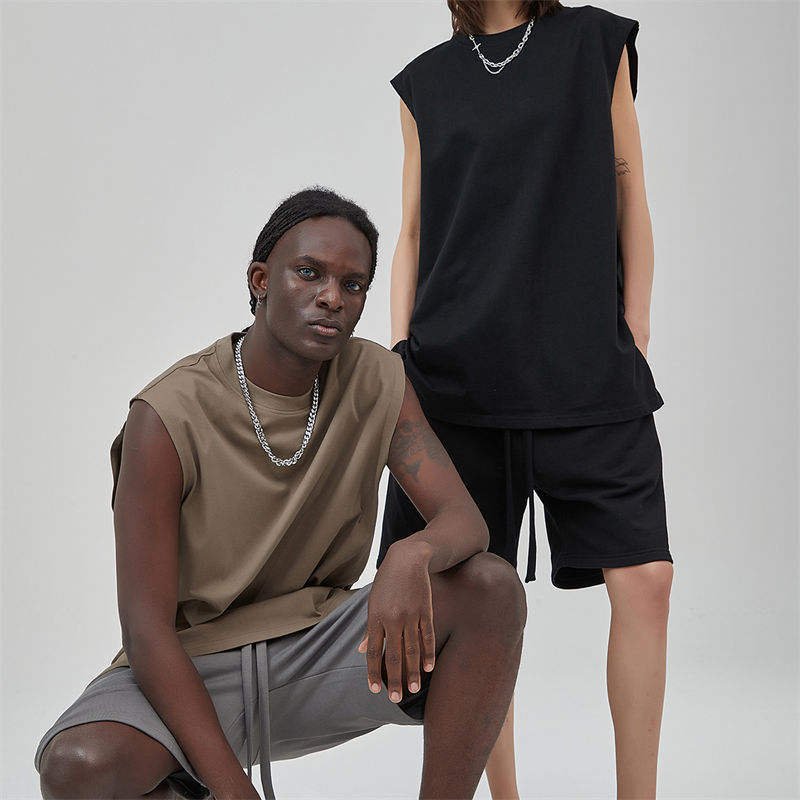
A strong core product creates stable revenue.
Find the Right Manufacturing Partner
Your private label manufacturer directly affects your brand quality and profitability.
A good partner helps you reduce:
- Production mistakes
- Quality problems
- Delays
- Unexpected costs
What Should You Look For?
| Factor | Why It Matters |
|---|---|
| Manufacturing Experience | Understands your product category |
| Sampling Ability | Improves product before bulk orders |
| Quality Control | Protects customer satisfaction |
| MOQ Flexibility | Reduces startup risk |
| Communication | Prevents production mistakes |
Manufacturer vs Supplier: What Is the Difference?
| Supplier | Private Label Manufacturer |
|---|---|
| Provides existing products | Develops custom products |
| Less customization | Full brand customization |
| Limited control | More control over quality |
| Faster but less unique | Better for long-term brands |
For brands that want to build a unique identity, working with a private label manufacturer is usually the better choice.
For example, Fuki Apparel supports brands with custom clothing development, private labeling, sampling, bulk production, and quality management.
Control Production Costs and Pricing
Profitability starts before selling your products.
You need to understand your complete cost structure.
Main Clothing Cost Factors
| Cost Area | Examples |
|---|---|
| Fabric | Cotton, fleece, nylon, blends |
| Construction | Sewing complexity |
| Decoration | Printing, embroidery, washing |
| Packaging | Labels, tags, bags |
| Shipping | Transportation costs |
Set Pricing Based on Brand Position
Do not price products only by adding a small markup.
Consider:
- Brand positioning
- Customer expectations
- Competitor pricing
- Product quality
Example:
| Brand Level | Pricing Strategy |
|---|---|
| Budget | Competitive pricing |
| Mid-range | Balance quality and value |
| Premium | Focus on experience and quality |
Premium brands sell more than clothing—they sell trust and identity.
Build Brand Value Beyond Products
A profitable private label brand needs a strong identity.
Customers remember:
- Brand story
- Visual style
- Product experience
- Community
Elements of Strong Brand Building
A successful clothing brand should develop:
- Professional website
- Consistent photography
- Social media presence
- Clear brand message
- Customer relationships
Your product gets the first purchase. Your brand creates repeat purchases.
Scale Your Private Label Clothing Business
Once products are proven, the next step is controlled growth.
Successful scaling requires:
- Better production planning
- Stable suppliers
- Improved inventory management
- Strong customer feedback systems
When Should You Increase Production?
| Situation | Recommendation |
|---|---|
| First product launch | Test smaller quantities |
| Stable sales | Increase production |
| High repeat demand | Expand product range |
Do not scale because you are excited. Scale because your data supports growth.
Common Mistakes to Avoid
Choosing the Cheapest Manufacturer
The cheapest option may create:
- Poor quality
- Customer complaints
- Brand damage
Look for overall value instead.
Ignoring Product Quality
Customers may forgive a simple design.
They rarely forgive poor quality.
Focus on:
- Fabric
- Fit
- Construction
- Durability
Producing Too Much Inventory
Large inventory creates financial pressure.
Start with:
- Tested products
- Controlled quantities
- Data-driven decisions
Copying Other Brands
Successful brands learn from competitors but create their own identity.
A unique position creates stronger long-term value.
Resources
Internal Resources
External Resources
- https://www.businessoffashion.com/
- https://www.sourcingjournal.com/
- https://www.oeko-tex.com/
- https://bettercotton.org/
FAQ
What is a private label clothing brand?
A private label clothing brand sells products created specifically for its own brand identity, including custom designs, labels, and packaging.
How much does it cost to start a private label clothing brand?
The cost depends on product type, order quantity, customization level, and marketing strategy.
Is private label better than reselling clothing?
Private label gives brands more control over quality, pricing, and customer experience.
How do I choose a private label manufacturer?
Look for experience, communication, product development support, MOQ options, and quality control systems.
What makes a private label brand profitable?
Strong products, good margins, customer loyalty, and efficient production management create profitability.
Final Thoughts
From my experience, profitable private label clothing brands are built through smart decisions—not just creative ideas.
The strongest brands understand:
- Their customers
- Their products
- Their production costs
- Their manufacturing partners
Building a clothing brand takes time, but with the right strategy, a small collection can grow into a sustainable business.
If you are developing your own private label collection, Fuki Apparel provides complete OEM manufacturing support, helping brands create custom products with reliable production, quality control, and professional apparel development.
