
In the competitive world of streetwear, a brand's vision is only as good as the factory’s ability to execute it. When we talk about "manufacturing capability," we aren't just talking about having sewing machines—we’re talking about precision, technical versatility, and the power to scale.
So, how strong is FukiApparel's manufacturing engine? Let’s look under the hood at the systems and craftsmanship that drive their production floor.
Table of Contents
- Quick Answer
- Technical Mastery: More Than Just Sewing
- Advanced Embellishment Capabilities
- Infrastructure & Scale
- Quality Control Ecosystem
- Sustainability & Fabric Sourcing
- Watch the Machines in Motion
- FAQ
- Conclusion
Quick Answer
The manufacturing capability of FukiApparel is highly robust, characterized by its specialized focus on heavyweight streetwear, complex "Cut & Sew" projects, and advanced garment finishing. With a 7–10 day sampling window and a bulk capacity designed for 25–35 day turnarounds, they provide the industrial strength needed for global brand scaling.
Technical Mastery: More Than Just Sewing
The true strength of FukiApparel lies in its technical pattern-making. Unlike basic OEM factories, they specialize in:
- Complex Silhouettes: Mastering the oversized drops, boxy fits, and intricate paneling required for modern streetwear.
- Fabric Expertise: Working with high-GSM French terry, heavy fleeces, and technical nylons that require specialized needle sets and tension control.
Advanced Embellishment Capabilities
A manufacturer is only as strong as its finishing touches. FukiApparel integrates high-level artistic techniques directly into the production line:
- Screen Printing: Including puff print, high-density, and cracked textures.
- Specialized Washes: Mastering acid washes, vintage fading, and garment-dyeing processes.
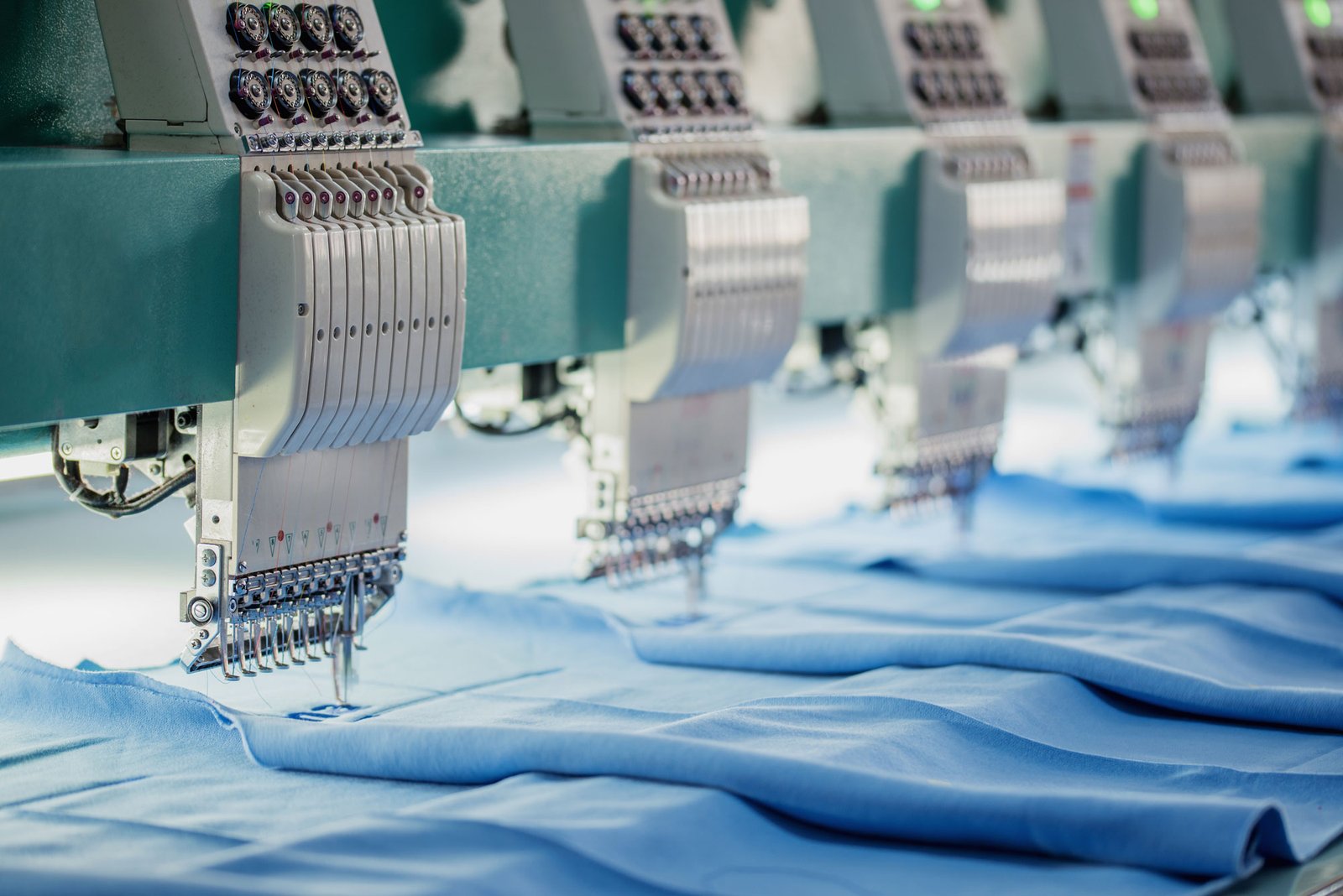
- Embroidery: From 3D puff embroidery to intricate tackle-twill applications.
Infrastructure & Scale
The factory is organized into specialized cells. This means that instead of one giant, slow line, FukiApparel uses modular production units. This infrastructure allows them to handle an MOQ of 100 pieces for startups while having the overhead capacity to scale into thousands for major retail drops.
Quality Control Ecosystem
Manufacturing strength is meaningless without accuracy. FukiApparel employs a rigorous QC ecosystem:
- Pre-Production: Fabric shrinkage and color-fastness testing.
- In-Line: Real-time monitoring of stitching and print alignment.
- Final AQL: A rigorous finishing inspection ensuring every piece matches the approved tech pack.
Sustainability & Fabric Sourcing
Strong manufacturing also means having a strong supply chain. FukiApparel maintains direct relationships with premium textile mills. This allows them to offer custom-dyed fabrics and sustainable material options (like organic cotton) that are often unavailable to smaller manufacturers.
Watch the Machines in Motion
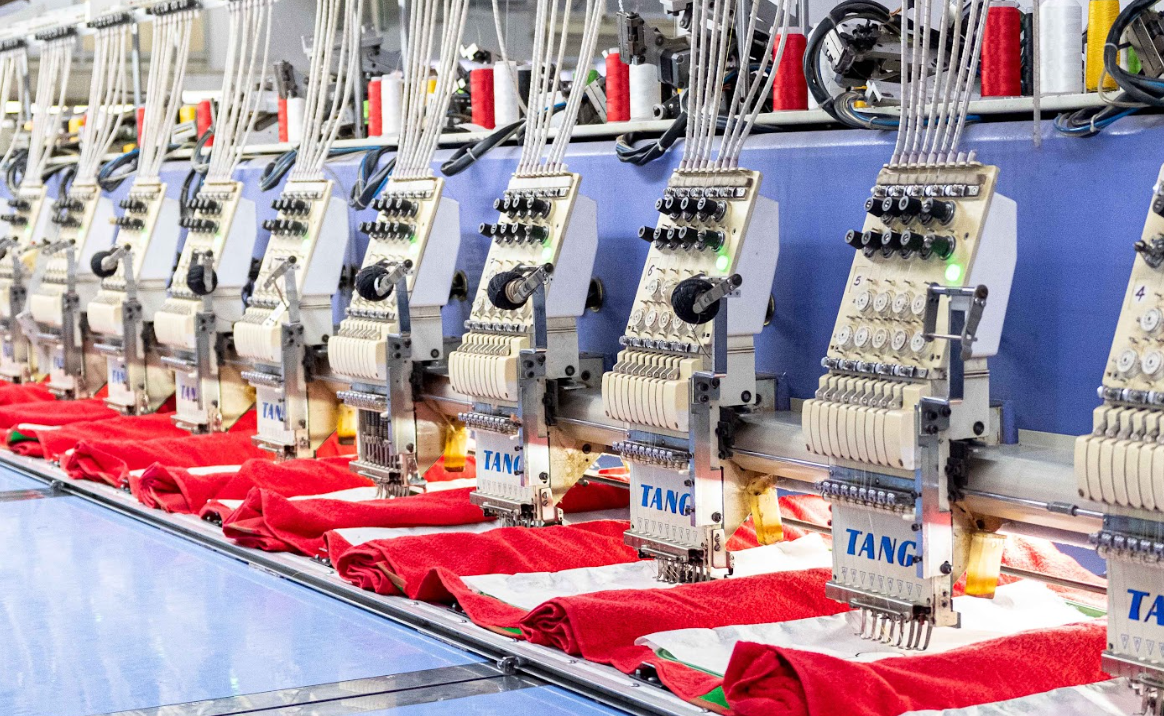
Transparency is the best way to judge a factory's strength. We invite you to see our equipment, our team, and our finished products in real-time through our social channels:
- 🎬 TikTok: Watch our factory floor highlights at FukiStreetwear
- 📺 YouTube: In-depth manufacturing walkthroughs at FukiApparel
- 📸 Instagram: See the precision of our final results at FukiStreetwear
FAQ
What is the maximum monthly capacity of FukiApparel?
The facility is designed to scale dynamically, comfortably handling tens of thousands of units monthly across multiple client lines.
Does FukiApparel handle technical outerwear?
Yes. Their manufacturing capabilities extend to functional techwear, including waterproof taping and reinforced hardware attachment.
How does the factory handle rush orders?
Through their modular cell system, they can often expedite production by allocating extra lines to a specific project without disrupting the broader schedule.
Conclusion
The manufacturing capability of FukiApparel is built on a foundation of technical expertise and industrial discipline. For brands that require more than just a basic supplier, they offer a powerful production partnership that can turn the most complex design manifestos into physical reality.