
Table of Contents
- Quick Answer
- Why Manufacturer Relationships Matter
- How the Collaboration Process Works
- Types of Manufacturing Models
- What Brands Must Prepare Before Contacting a Factory
- Step-by-Step Workflow with a Manufacturer
- Key Communication Tips
- Cost Structure Explained
- Common Problems & How to Avoid Them
- Best Practices for Long-Term Partnerships
- FAQ
- Conclusion
- Internal Reference
Quick Answer
Streetwear brands work with clothing manufacturers by:
- sharing design ideas or tech packs
- selecting fabrics and trims
- developing samples
- approving production
- placing bulk orders
From my experience, the brands that succeed are not just creative — they are good at managing production relationships.
Why Manufacturer Relationships Matter
Your manufacturer is not just a supplier — it's a production partner.
A strong partnership helps you:
- maintain consistent quality
- control production timelines
- scale your business smoothly
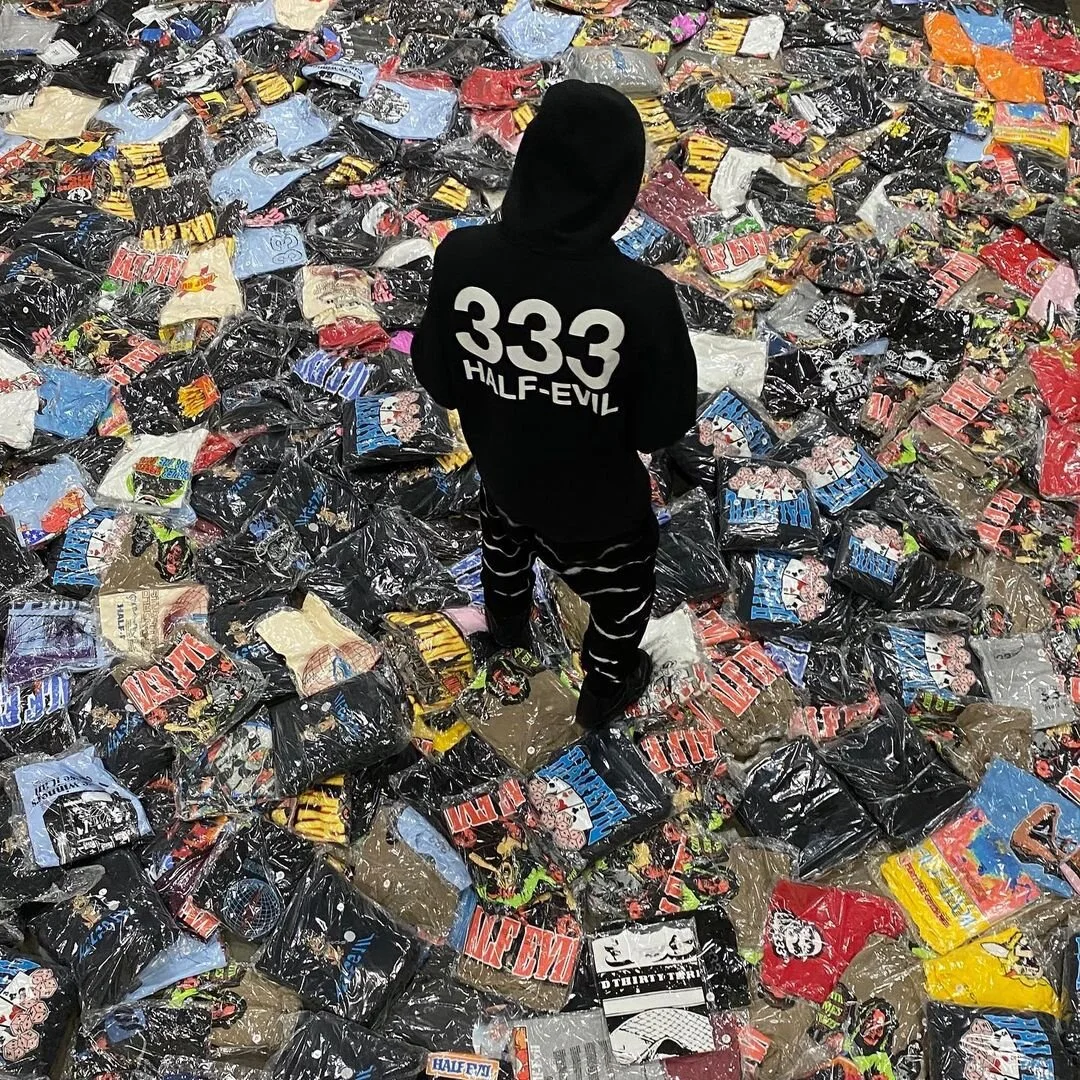
Industry platforms like Business of Fashion often emphasize how supply chain decisions shape brand success.
How the Collaboration Process Works
Working with a manufacturer is a structured process.
Basic Flow
| Stage | Description |
|---|---|
| Design | brand creates concept |
| Development | factory creates samples |
| Approval | brand reviews and adjusts |
| Production | bulk manufacturing begins |
| Delivery | products are shipped |
Each stage requires clear communication and decision-making.
Types of Manufacturing Models
Different brands use different production approaches.
1. Custom Manufacturing (OEM)
- full control over design
- higher flexibility
- longer development time
2. Private Label
- faster production
- lower development cost
- limited customization
3. Small-Batch Production
- low MOQ
- ideal for startups
- higher cost per unit
Streetwear brands often combine these models depending on growth stage.
What Brands Must Prepare Before Contacting a Factory
Before reaching out to manufacturers, prepare the following:
Essentials
- design references or sketches
- product details (fit, fabric, colors)
- quantity expectations
- target price range
Optional (but recommended)
- tech packs
- branding assets (logos, labels)
Clear preparation reduces misunderstandings and speeds up development.
Step-by-Step Workflow with a Manufacturer
Here’s how a typical production process works.
Step 1: Inquiry
You send your design and requirements to the factory.
Step 2: Quotation
The manufacturer provides pricing based on:
- fabric
- quantity
- complexity
Step 3: Sampling
Factories produce a sample for review.
Step 4: Revisions
You adjust:
- fit
- materials
- design details
Step 5: Bulk Production
Once approved, production begins.
Step 6: Quality Control & Shipping
Finished products are inspected and shipped.
Platforms like Hypebeast often highlight how product quality directly impacts brand perception.
Key Communication Tips
Communication is where most brands fail.
Do This
- be clear and specific
- confirm details in writing
- ask for updates regularly
Avoid This
- vague instructions
- last-minute changes
- assuming the factory understands your vision
Clear communication saves time, money, and frustration.
Cost Structure Explained
Understanding cost helps you plan better.
Main Cost Factors
| Factor | Impact |
|---|---|
| fabric | biggest cost driver |
| quantity | affects unit price |
| customization | increases cost |
| labor | varies by region |
Example Pricing Logic
- low quantity → higher cost
- simple design → lower cost
- complex branding → higher cost
Common Problems & How to Avoid Them
Many brands struggle because they overlook key details.
Problem 1: Poor Sample Approval
Solution: test everything before production
Problem 2: Miscommunication
Solution: document all decisions clearly
Problem 3: Unrealistic Pricing Expectations
Solution: understand market costs before negotiating
Problem 4: Weak Quality Control
Solution: inspect goods before shipment
Best Practices for Long-Term Partnerships
Building a long-term relationship with a manufacturer brings advantages.
Benefits
- better pricing
- faster production
- priority service
How to Build Trust
- pay on time
- communicate professionally
- provide consistent orders
Strong partnerships lead to smoother scaling.
FAQ
How do I start working with a clothing manufacturer?
Prepare your designs, contact suppliers, and begin with sampling.
What is the minimum order quantity?
Most manufacturers require 50–150 pieces per design.
Can beginners work with manufacturers?
Yes, especially with factories offering low MOQ options.
How long does production take?
Typically 3–6 weeks, depending on complexity.
Conclusion
Working with clothing manufacturers is one of the most important parts of building a streetwear brand.
Success depends on:
- preparation
- communication
- quality control
- choosing the right partner
From what I’ve seen, brands that treat manufacturers as partners — not just suppliers — grow faster and avoid costly mistakes.
Internal Reference
If you're ready to work with a reliable manufacturer, explore:
👉 Fuki Apparel – Streetwear Manufacturing Partner
A professional partner can help you move from design to production with confidence.