
Every successful streetwear brand starts small.
Some launch with just 50 hoodies.
Others begin with a single oversized T-shirt.
But eventually, every ambitious founder faces the same challenge:
How do you scale from a small drop of 100 pieces to producing 10,000 pieces or more?
The answer isn't simply "order more inventory."
In fact, many brands fail during scaling because they grow too quickly without upgrading their systems, manufacturing, and operations.
I've worked with brands that successfully scaled from startup drops to large-volume production, and I've noticed a common pattern:
The brands that survive focus on systems before volume.
In this guide, I'll explain how streetwear brands typically grow from 100 pieces to 10,000 pieces, the challenges they face at each stage, and the strategies that help them scale successfully.
Table of Contents
- 1. Why Scaling Is Harder Than Starting
- 2. Stage One: The First 100 Pieces
- 3. Stage Two: Scaling to 500 Pieces
- 4. Stage Three: Reaching 1,000 Pieces
- 5. Stage Four: Scaling to 5,000 Pieces
- 6. Stage Five: Managing 10,000+ Pieces
- 7. The Biggest Scaling Mistakes
- 8. Infrastructure Needed for Growth
- 9. Scaling Checklist
- 10. FAQ
- Final Thoughts
1. Why Scaling Is Harder Than Starting
Most people think starting a streetwear brand is the hardest part.
Actually, scaling is usually more difficult.
When you're producing 100 pieces, you can manually oversee almost everything.
At 10,000 pieces, that approach no longer works.
What Changes During Scaling?
| 100 Pieces | 10,000 Pieces |
|---|---|
| Manual Management | System-Based Management |
| Single Product Focus | Multiple Product Categories |
| Small Inventory | Large Inventory |
| Simple Logistics | Complex Supply Chain |
| Low Risk | Higher Financial Exposure |
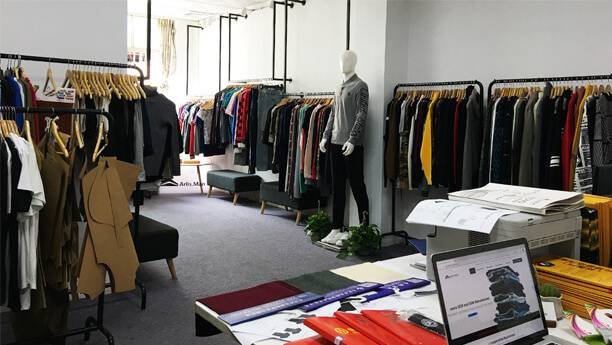
Growth creates new opportunities—but also new responsibilities.
2. Stage One: The First 100 Pieces
This stage is all about validation.
The goal isn't maximizing profit.
The goal is learning.
Key Objectives
- Test product-market fit
- Collect customer feedback
- Validate sizing
- Measure demand
Recommended Product Mix
| Product | Quantity |
|---|---|
| Oversized T-Shirt | 50 pcs |
| Hoodie | 50 pcs |
Total:
100 pcs
Focus Areas
✔ Product quality
✔ Branding
✔ Photography
✔ Customer feedback
Avoid launching too many products.
Keep things simple.
3. Stage Two: Scaling to 500 Pieces
At this stage, you have evidence that customers want your products.
Now it's time to improve efficiency.
Typical Brand Characteristics
- First successful drop completed
- Returning customers
- Growing social media audience
Key Priorities
Improve Inventory Planning
Stop guessing.
Start tracking:
- Best sellers
- Size performance
- Conversion rates
Strengthen Manufacturing Relationships
A reliable manufacturer becomes increasingly important.
Helpful resources:
Production Example
| Product | Quantity |
|---|---|
| Hoodie | 200 pcs |
| T-Shirt | 200 pcs |
| Sweatpants | 100 pcs |
Total:
500 pcs
4. Stage Three: Reaching 1,000 Pieces
This is where many brands experience growing pains.
You're no longer testing.
You're building a real business.
New Challenges
- Inventory forecasting
- Cash flow management
- Customer support
- Logistics
Focus on Repeatability
Successful brands at this stage:
✔ Repeat successful products
✔ Reduce weak SKUs
✔ Improve margins
✔ Standardize production
Inventory Strategy
| Product Type | Percentage |
|---|---|
| Best Sellers | 60% |
| New Products | 30% |
| Experimental Items | 10% |
Don't reinvent your collection every drop.
Scale what already works.
5. Stage Four: Scaling to 5,000 Pieces
At this level, manufacturing becomes a competitive advantage.
What Changes?
You start focusing on:
- Better fabric sourcing
- Lower production costs
- Production scheduling
- Inventory systems
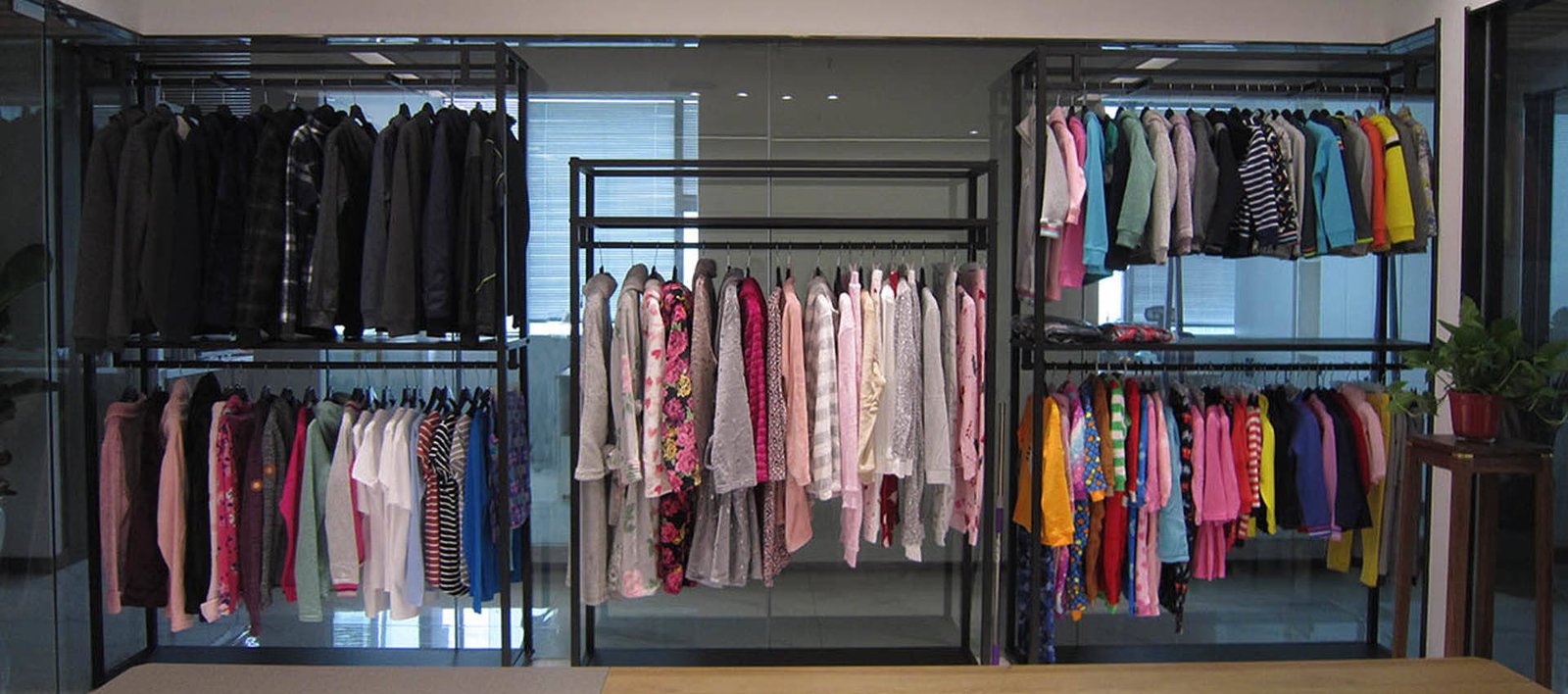
Operational Priorities
| Area | Importance |
|---|---|
| Forecasting | High |
| Manufacturing | High |
| Logistics | High |
| Cash Flow | Very High |
Manufacturing Evolution
Many brands begin exploring:
- Custom fabrics
- Garment dyeing
- Specialty washes
- Advanced printing techniques
This helps differentiate products from competitors.
6. Stage Five: Managing 10,000+ Pieces
At this stage, you're no longer operating like a startup.
You're managing a supply chain.
Major Responsibilities
- Inventory planning
- Supplier management
- Quality assurance
- Freight coordination
- Demand forecasting
Typical Brand Structure
| Function | Required? |
|---|---|
| Operations Manager | Yes |
| Customer Support | Yes |
| Logistics Support | Yes |
| Manufacturing Coordinator | Yes |
Scaling Formula
10,000 pieces isn't achieved through one huge order.
It's achieved through:
Consistent growth over multiple successful product launches.
7. The Biggest Scaling Mistakes
Mistake #1: Scaling Too Quickly
Many brands increase inventory before demand is proven.
Result:
- Unsold stock
- Cash flow problems
Mistake #2: Ignoring Operations
Sales growth without operational growth creates chaos.
Mistake #3: Too Many Products
More SKUs create:
- More inventory
- More forecasting complexity
- More production risk
Mistake #4: Weak Supply Chain
A growing brand requires dependable manufacturing support.
Scaling Risk Comparison
| Decision | Risk Level |
|---|---|
| Increase Best Sellers | Low |
| Add New Colorways | Medium |
| Launch New Categories | High |
| Double Inventory Overnight | Very High |
8. Infrastructure Needed for Growth
Most brands focus on products.
Successful brands focus on systems.
Infrastructure Checklist
Manufacturing
✔ Reliable supplier
✔ Consistent quality
✔ Scalable production
Inventory
✔ Inventory tracking
✔ Reorder planning
✔ Demand forecasting
Marketing
✔ Email marketing
✔ Content strategy
✔ Customer retention
Finance
✔ Cash flow forecasting
✔ Margin tracking
✔ Inventory budgeting
9. Scaling Checklist
Before increasing production volume, ask yourself:
Product Validation
✔ Have previous products sold successfully?
✔ Do customers reorder?
✔ Are return rates low?
Manufacturing
✔ Can your factory handle larger orders?
✔ Is quality consistent?
✔ Are lead times predictable?
Financial Readiness
✔ Do you have sufficient cash flow?
✔ Can you manage inventory risk?
✔ Is demand proven?
If several answers are "No," focus on strengthening your foundation before scaling.
10. FAQ
How long does it take to scale from 100 to 10,000 pieces?
Most successful brands take several years to reach this level sustainably.
Should I increase inventory after every successful drop?
Not necessarily. Growth should follow demand, not emotions.
What is the biggest challenge when scaling?
Cash flow management is often more difficult than manufacturing.
When should I switch manufacturers?
Consider switching if your current factory cannot support your growth requirements.
Is scaling inventory always profitable?
No. Poor inventory planning can create significant financial risk.
Final Thoughts
Scaling from 100 pieces to 10,000 pieces isn't about ordering larger quantities.
It's about building a stronger business.
The most successful streetwear brands focus on:
- Product validation
- Operational efficiency
- Reliable manufacturing
- Inventory management
- Sustainable growth
Remember:
The goal isn't to scale fast. The goal is to scale profitably.
If you're planning to grow your streetwear brand and need support with sampling, production, inventory planning, or large-volume manufacturing, explore:
Industry references:
Growth is a process.
The brands that reach 10,000 pieces successfully are usually the ones that master 100 pieces first.
