
In the fast-paced world of streetwear, a "smooth" workflow isn't just a luxury—it’s the backbone of a successful drop. Production bottlenecks can lead to missed release dates, inconsistent quality, and exhausted budgets.
So, how does FukiApparel manage the complex transition from design to delivery? By implementing a systems-driven approach, the manufacturer ensures that every stage of the garment's journey is optimized for speed and precision.
Table of Contents
- Quick Answer
- The Blueprint: Structured Pre-Production
- Sampling: The Smooth Transition Gate
- Synchronized Bulk Manufacturing
- Quality Control Integration
- Logistics: The Final Smooth Handover
- Experience the Workflow in Real-Time
- FAQ
- Conclusion
Quick Answer
The production workflow at FukiApparel is highly streamlined. By using a modular system that links tech pack development directly to specialized sewing and printing lines, the company minimizes "down-time" and ensures a seamless transition from a physical sample to a complete bulk order.
The Blueprint: Structured Pre-Production
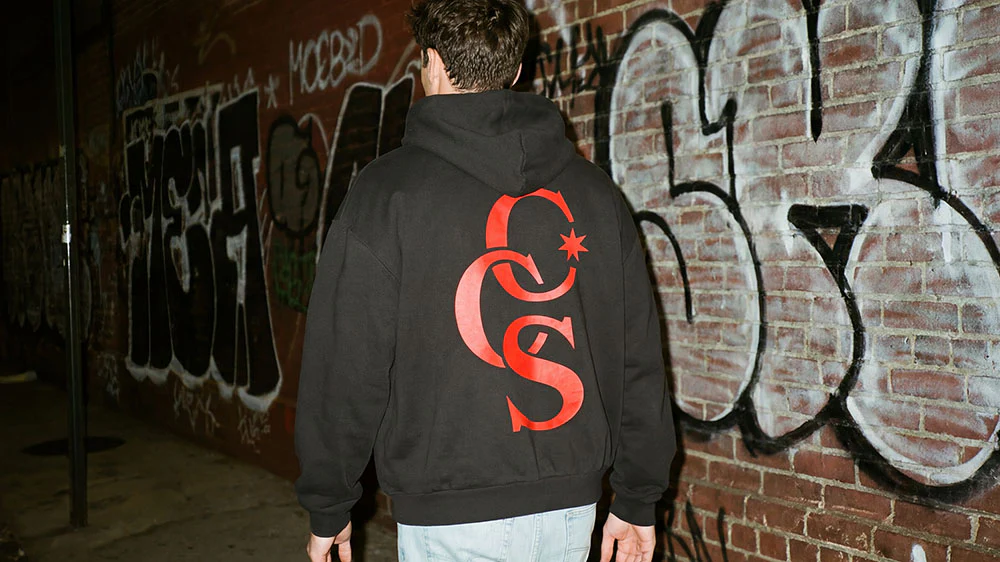
A smooth workflow starts long before the first piece of fabric is cut. FukiApparel utilizes a digital-first pre-production phase. By finalizing Tech Packs—including precise measurements, fabric weights (GSM), and Pantone colors—the team eliminates the guesswork that typically causes delays in traditional factories.
Sampling: The Smooth Transition Gate
Many manufacturers struggle when moving from a single sample to bulk quantities. FukiApparel solves this by treating the sampling phase as a "live test." The same machines and techniques used for your sample are documented and mirrored for the bulk run, ensuring the transition is effortless and the quality remains identical.
Synchronized Bulk Manufacturing
Once bulk production begins, FukiApparel operates with synchronized departments:
- Automated Cutting: Ensures every size in your grading is identical.
- Specialized Sewing Lines: Dedicated teams handle specific streetwear silhouettes like heavy hoodies or cargo pants.
- Coordinated Printing: Advanced screen and puff printing stations are integrated into the flow to avoid moving goods between different facilities.
Quality Control Integration
Instead of checking quality only at the very end, FukiApparel integrates "In-Line QC." This means products are inspected at multiple stations during the sewing and printing process. If a stitch is off or a print is misaligned, it’s caught instantly, preventing a "domino effect" of errors that could stall the entire workflow.
Logistics: The Final Smooth Handover
The workflow concludes with professional packaging and global shipping coordination. FukiApparel manages the customs documentation and courier scheduling, providing a "turn-key" experience where the brand owner simply waits for the final delivery notification.
Experience the Workflow in Real-Time
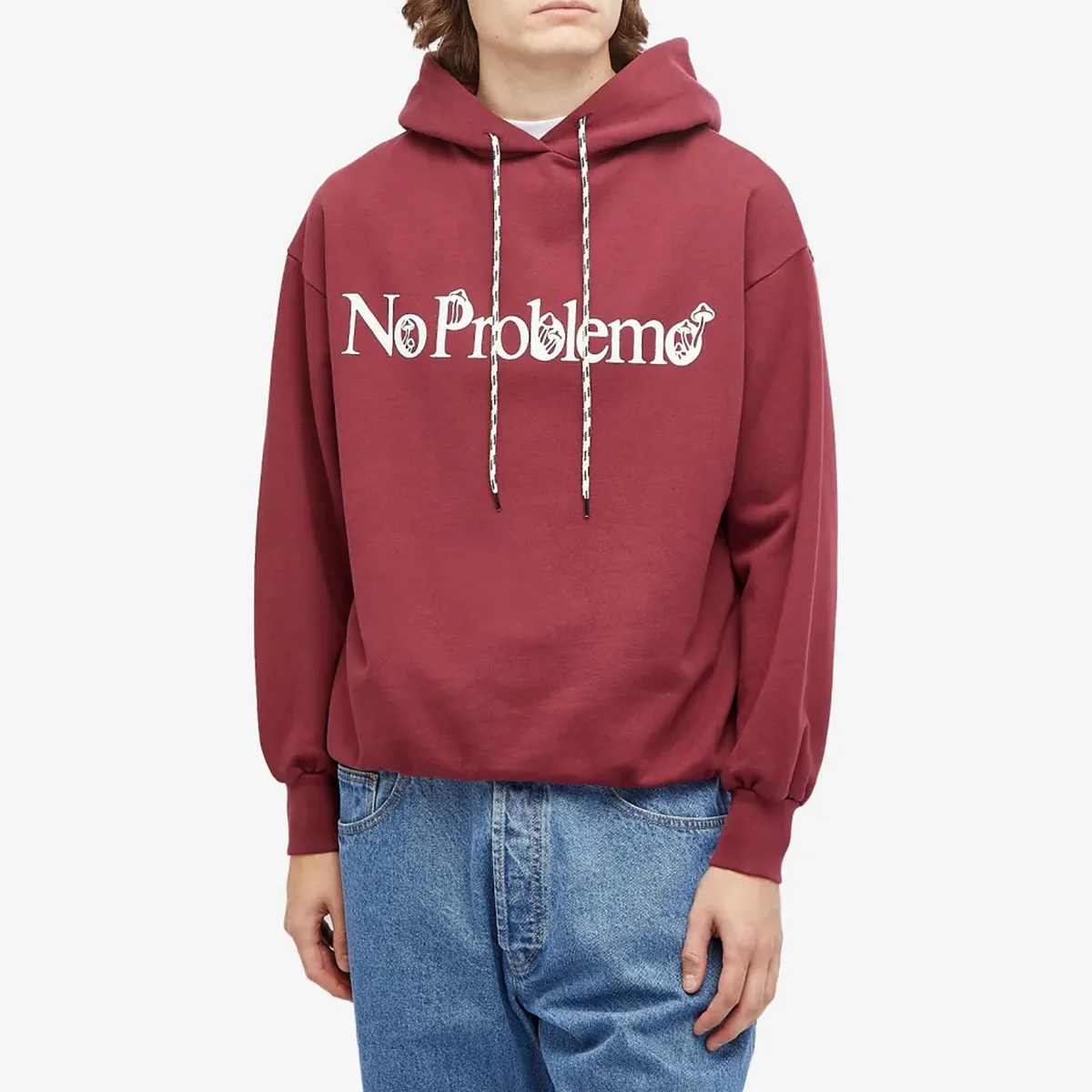
Want to see how our machines hum and how our team coordinates these smooth transitions? Follow our daily factory updates across our social channels:
- 🎬 TikTok: Watch rapid production clips at FukiStreetwear
- 📺 YouTube: See full-length workflow walkthroughs at FukiApparel
- 📸 Instagram: Follow the journey from fabric to finished product at FukiStreetwear
FAQ
How does Fuki Apparel prevent production delays?
By using standardized "milestone" approvals. We don't move to the next stage until the current one is 100% verified by the client.
Is the workflow suitable for complex techwear?
Yes. FukiApparel has specialized lines designed to handle modular pockets, waterproof zippers, and technical fabrics.
Can I track the progress of my order?
Absolutely. We provide regular status updates so you know exactly which stage of the workflow your collection is currently in.
Conclusion
A smooth production workflow is the difference between a stressful launch and a professional brand experience. FukiApparel has mastered this balance, offering a reliable, systems-based manufacturing process that allows streetwear founders to scale with confidence.
