
One of the first questions aspiring fashion entrepreneurs ask is:
"How much money do I actually need to start a clothing brand?"
The truth is, it varies widely depending on your goals, product type, and business model.
I've worked with many startups launching streetwear, casualwear, and activewear lines, and one thing is clear:
Budget planning is one of the most important steps before production.
In this guide, I’ll break down the costs involved, provide realistic ranges, and explain how to start even if your budget is modest.
Table of Contents
- 1. Why Budget Planning Matters
- 2. Cost Breakdown for a Startup Clothing Brand
- 3. Product Development Costs
- 4. Manufacturing and Minimum Order Quantities (MOQ)
- 5. Branding, Packaging, and Marketing
- 6. Operational and Overhead Costs
- 7. Budget Examples for Different Startup Scenarios
- 8. How to Reduce Startup Costs
- 9. FAQ
- Final Thoughts
1. Why Budget Planning Matters
Starting without a clear budget is one of the fastest ways to fail.
You need to know:
- How much you can invest
- How much you can spend on each product
- When to reinvest profits
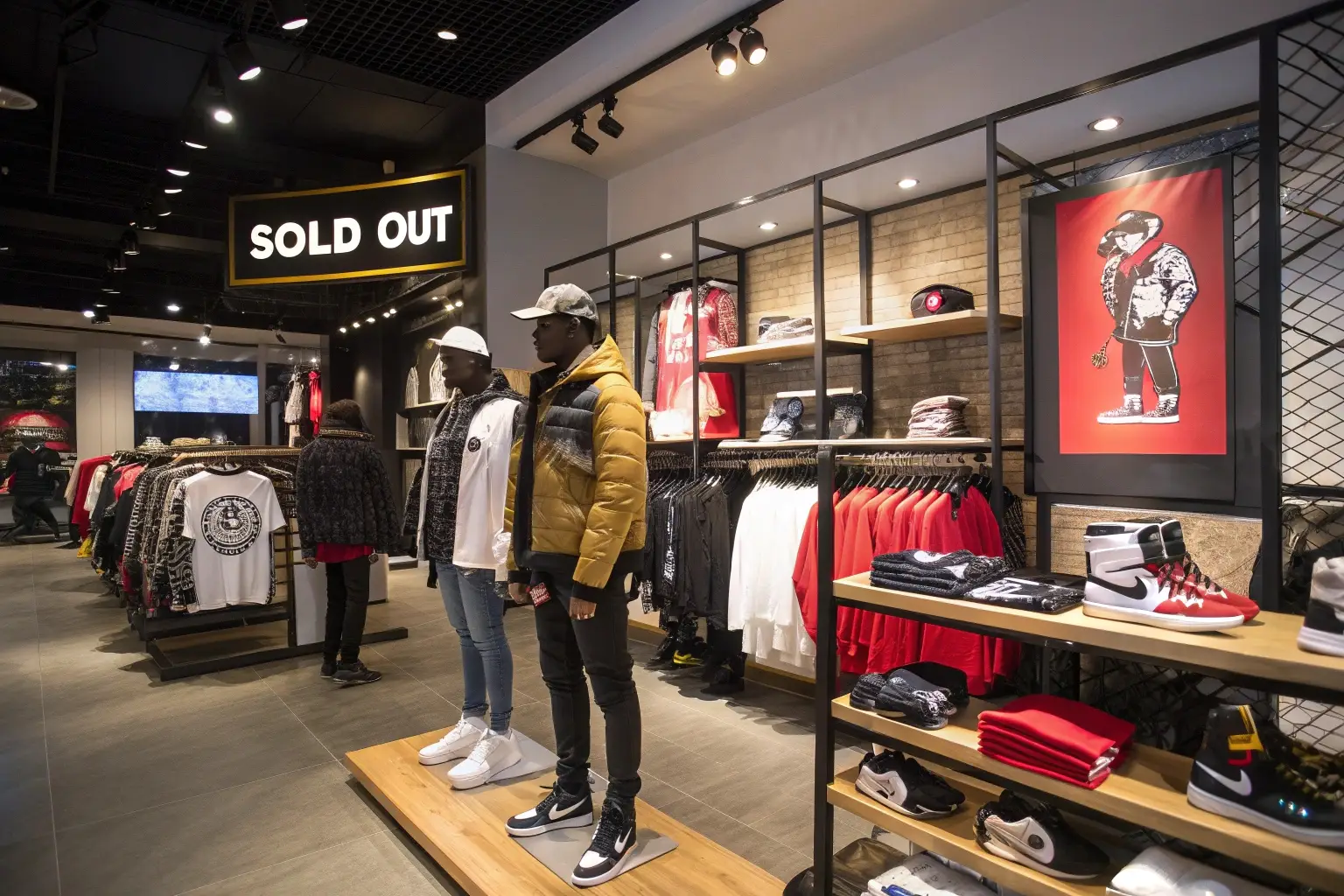
Understanding your budget also helps you choose the right manufacturer, product types, and launch strategy.
2. Cost Breakdown for a Startup Clothing Brand
Typical cost categories include:
| Category | Estimated Share of Budget |
|---|---|
| Product Development & Samples | 20–30% |
| Manufacturing / MOQ | 40–50% |
| Branding & Marketing | 10–20% |
| Packaging & Shipping | 5–10% |
| Operations & Misc | 5–10% |
This breakdown helps you allocate funds realistically.
3. Product Development Costs
Before production, you’ll need to create:
- Tech packs
- Design mockups
- Prototypes / samples
Sample Cost Examples
| Product Type | Sample Cost (USD) |
|---|---|
| T-Shirt | $30–$50 |
| Hoodie | $50–$80 |
| Sweatpants | $40–$70 |
Working with an experienced manufacturer can help reduce these costs.
Helpful resource:
4. Manufacturing and Minimum Order Quantities (MOQ)
Manufacturing costs are the largest expense.
Factors Influencing Cost
- Fabric type and quality
- Number of SKUs / colorways
- Production quantity (MOQ)
- Printing, embroidery, and special treatments
Example Pricing
| Product | MOQ | Unit Cost (USD) |
|---|---|---|
| Oversized T-Shirt | 100 pcs | $6–$8 |
| Hoodie | 100 pcs | $15–$20 |
| Sweatpants | 100 pcs | $10–$14 |
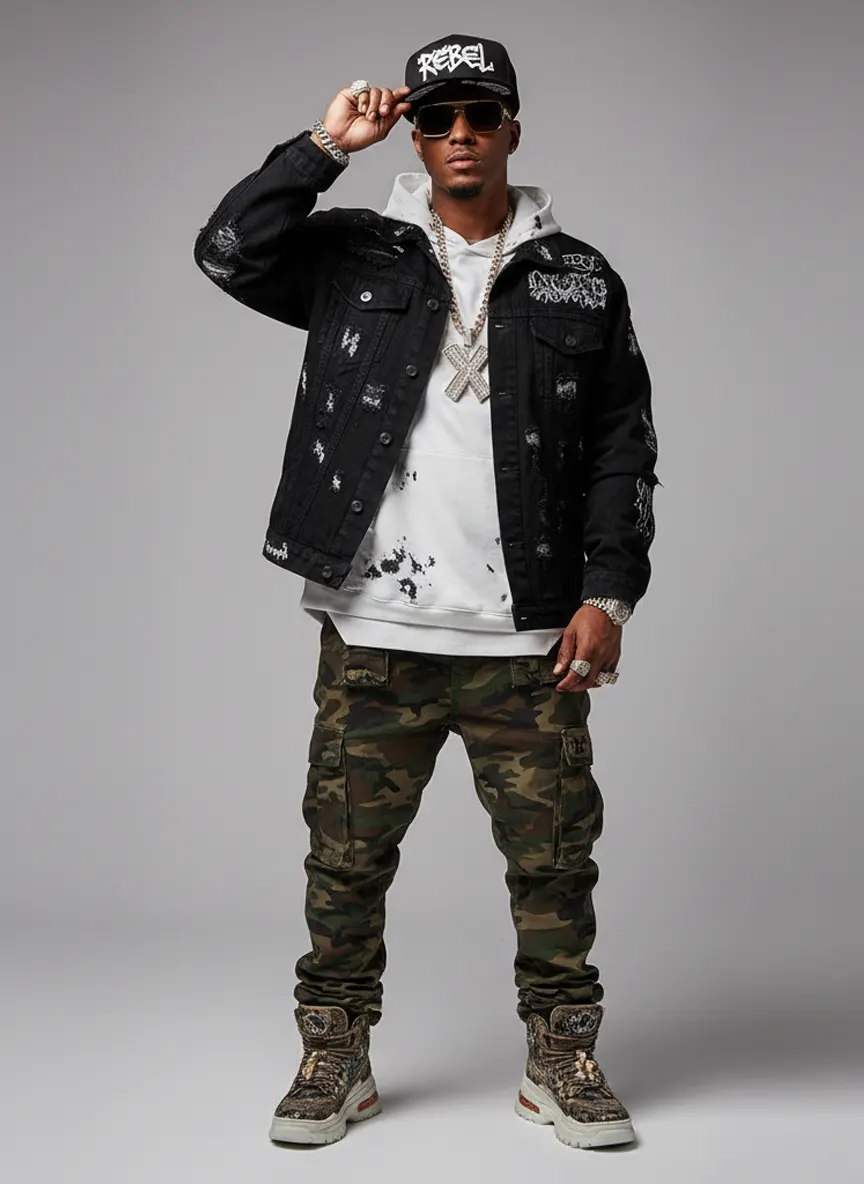
Higher quantities reduce per-unit costs but increase upfront investment.
5. Branding, Packaging, and Marketing
Even a great product needs a brand to stand out.
Typical Expenses
| Item | Estimated Cost |
|---|---|
| Logo & Visual Identity | $200–$1,000 |
| Packaging (bags, tags) | $1–$3 per unit |
| Marketing & Social Media Ads | $200–$1,500 for first campaigns |
Good branding increases perceived value and helps justify retail prices.
6. Operational and Overhead Costs
Don’t forget ongoing costs:
- Website / eCommerce setup
- Payment processing fees
- Shipping and fulfillment
- Accounting or bookkeeping
Example Monthly Overhead
| Item | Estimated Cost (USD) |
|---|---|
| Website Hosting | $20–$50 |
| Shopify / WooCommerce | $29–$79 |
| Shipping Supplies | $50–$200 |
| Miscellaneous | $50–$100 |
Even small costs add up during the first few months.
7. Budget Examples for Different Startup Scenarios
Scenario 1: Minimalist Launch
- 1 T-Shirt design, 100 pcs
- DIY branding & website
- Budget: $2,000–$3,000
Scenario 2: Small Streetwear Capsule
- 3 SKUs (T-Shirt, Hoodie, Sweatpants)
- Professional branding, 100–150 pcs each
- Budget: $5,000–$8,000
Scenario 3: Ambitious Launch
- 5–6 SKUs, 200 pcs each
- Paid marketing, professional photography
- Budget: $10,000–$15,000
8. How to Reduce Startup Costs
- Start small and test demand
- Limit SKUs and colorways
- Use local or beginner-friendly manufacturers
- DIY branding and photography initially
- Negotiate MOQs and production terms
Resources for affordable manufacturing:
9. FAQ
How much money do I need to start a clothing brand?
Typically between $2,000 and $15,000 depending on scale.
Can I start with less than $2,000?
Yes, but you’ll need to limit SKUs and DIY most processes.
Does a higher budget guarantee success?
Not necessarily. Strategic spending and proper planning matter more.
How can beginners reduce manufacturing costs?
Use low MOQ options and work with experienced OEM/ODM partners.
Should I invest in marketing from the start?
Yes, but start with low-budget campaigns and focus on organic growth.
Final Thoughts
Starting a clothing brand requires careful planning, especially around finances.
Key takeaways:
- Define your product and brand clearly
- Budget for development, manufacturing, branding, and operations
- Start small, test the market, then scale
- Use experienced manufacturers to save time and avoid mistakes
For beginner-friendly manufacturing support and production planning, explore:
With the right planning, you can start a streetwear or casualwear brand confidently, even with limited experience and budget.
