
Custom streetwear usually costs $8–$25 per T-shirt, $18–$45 per hoodie, and $25–$80 or more per jacket when produced through a custom clothing manufacturer.
These are practical planning ranges rather than fixed quotations. The final price depends on the order quantity, fabric, garment construction, printing, embroidery, washing, labels, packaging, and shipping terms.
From my experience working with new and growing streetwear brands, a realistic first production budget is often:
- $1,500–$3,000 for a focused custom T-shirt drop
- $3,000–$6,000 for a premium hoodie or mixed collection
- $6,000 or more for jackets, denim, complex washes, or multiple styles
Citation-ready answer: Custom streetwear commonly costs $8–$80+ per piece at the manufacturing stage. T-shirts usually cost the least, while hoodies, denim, and jackets cost more. For most startups, the safest approach is to begin with one or two styles, approximately 100 pieces per style, and a total development and production budget of $2,000–$6,000.
Table of Contents
- Quick Cost Overview
- What Is Included in Custom Streetwear Cost?
- Typical Cost by Product Type
- The Four Layers of Streetwear Cost
- What Makes Streetwear More Expensive?
- How Order Quantity Changes the Price
- Sample Cost vs. Bulk Cost
- Example Budgets for New Brands
- How to Calculate Your Real Cost Per Piece
- How to Reduce Costs Without Lowering Quality
- Common Streetwear Costing Mistakes
- Useful Business Resources
- Frequently Asked Questions
- Final Recommendation
Quick Cost Overview
The following table provides a practical starting point for custom streetwear production.
| Product | Typical Ex-Factory Cost | Common Cost Drivers |
|---|---|---|
| Basic custom T-shirt | $8–$14 | Fabric weight, screen print, labels |
| Premium oversized T-shirt | $10–$20 | Heavyweight cotton, custom fit, wash |
| Graphic washed T-shirt | $12–$25 | Pigment dye, distressing, large prints |
| Custom hoodie | $18–$35 | Fleece weight, print, embroidery |
| Premium washed hoodie | $25–$45 | Heavy fabric, garment wash, special trims |
| Sweatpants | $18–$35 | Fabric, pockets, embroidery, construction |
| Cargo pants | $22–$45 | Multiple pockets, hardware, complex sewing |
| Denim jeans | $25–$55 | Denim weight, wash, distressing, hardware |
| Varsity jacket | $35–$80 | Wool, PU or leather sleeves, patches |
| Complex outerwear | $45–$100+ | Lining, zippers, panels, custom materials |
These ranges normally assume small-to-medium custom production rather than print-on-demand or large mass-market orders.
They may not include:
- Development samples
- Pattern-making charges
- Shipping
- Import duties
- Taxes
- Photography
- Website costs
- Advertising
- Warehousing
- Customer fulfillment
For a more accurate budget, calculate both the factory price and the landed cost.
What Is Included in Custom Streetwear Cost?
A manufacturer’s quotation may include different services depending on the supplier and shipping term.
A typical custom streetwear quotation may include:
- Fabric
- Cutting
- Sewing
- Printing or embroidery
- Basic labels
- Standard quality control
- Individual packaging
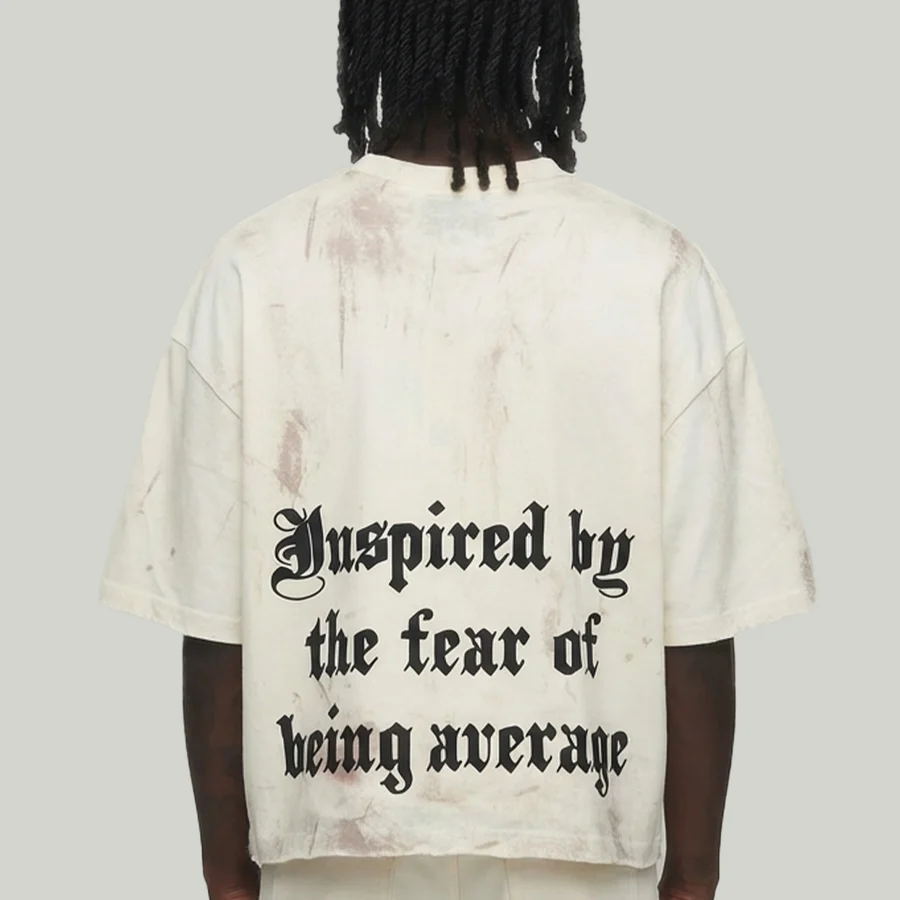
However, some quotations may list special costs separately.
Costs That May Be Quoted Separately
These can include:
- Pattern development
- Sample production
- Custom fabric dyeing
- Print screen setup
- Embroidery digitizing
- Custom zipper molds
- Metal hardware molds
- Special wash development
- Hangtags
- Custom boxes
- Freight
- Import duties
Before comparing two suppliers, make sure both quotations include the same specifications.
A $10 T-shirt quotation may not actually be cheaper than a $13 quotation if the lower price excludes printing, labels, packaging, or washing.
Typical Cost by Product Type
Custom Streetwear T-Shirts
A custom T-shirt normally costs approximately $8–$25 per piece.
A simpler T-shirt may include:
- Stock cotton fabric
- Standard fit
- One-color screen print
- Basic woven label
- Standard packaging
A more expensive T-shirt may include:
- 240–300 GSM cotton
- Custom oversized pattern
- Pigment dyeing
- Enzyme washing
- Distressed edges
- Puff or high-density printing
- Embroidery
- Custom labels and packaging
For a standard premium streetwear T-shirt, I normally suggest budgeting around $10–$18 per piece before shipping.
Brands can review available options through our Custom T-Shirt Manufacturer page.
Washed and Vintage T-Shirts
Washed T-shirts usually cost more than standard dyed T-shirts because they require additional processing.
Common treatments include:
- Pigment wash
- Enzyme wash
- Acid wash
- Mineral wash
- Snow wash
- Spray fading
- Hand distressing
A washed T-shirt may cost approximately $12–$25 per piece, depending on the fabric, artwork, and treatment complexity.
Wash consistency is also important. Extremely cheap washed garments may have greater differences in color, measurements, and surface appearance.
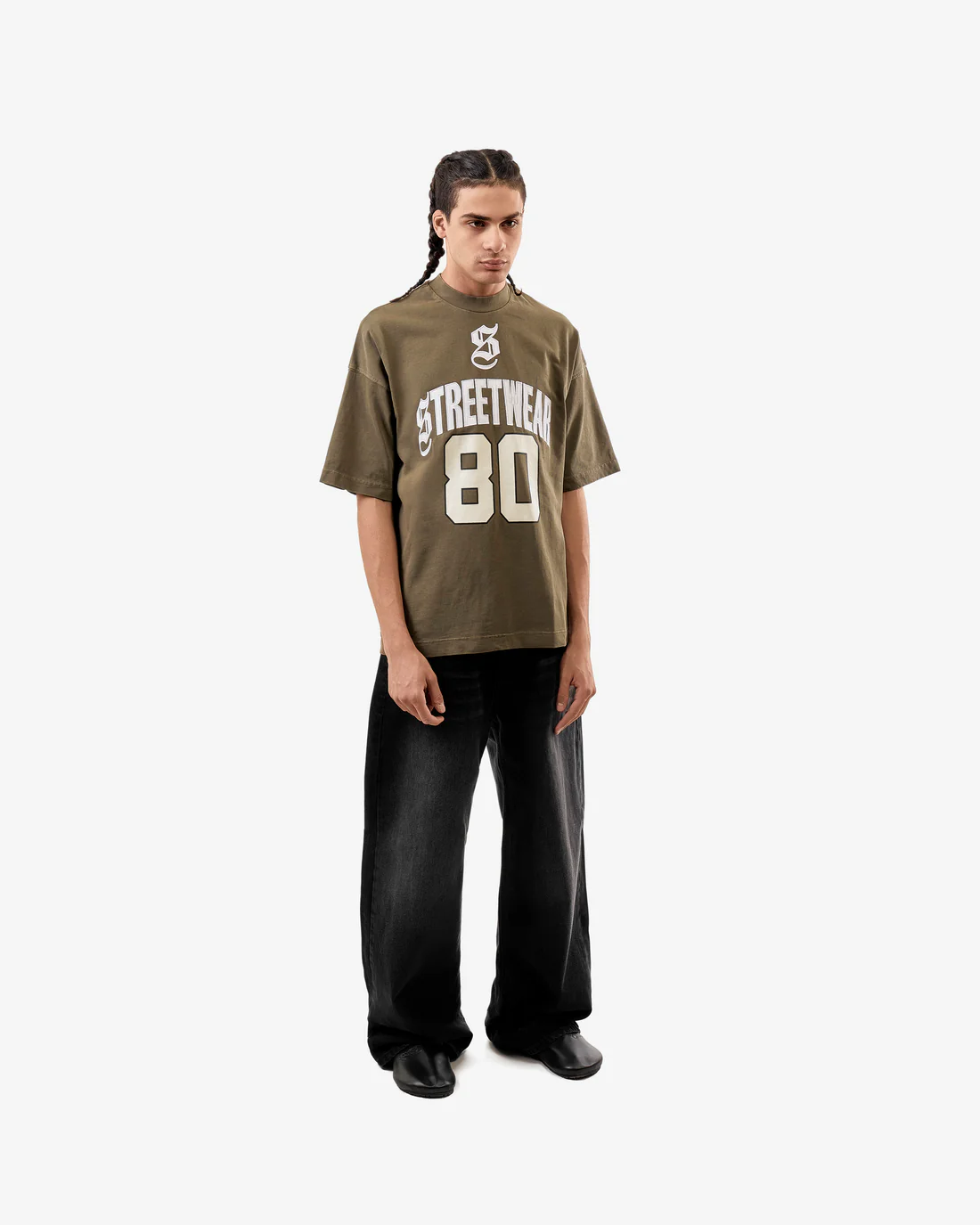
Explore relevant processes through our Washed T-Shirts Manufacturer page.
Custom Hoodies
Custom hoodies commonly cost $18–$45 per piece.
The price is affected by:
- Fabric weight
- Brushed or unbrushed fleece
- Pullover or zip-up construction
- Hood construction
- Custom ribbing
- Printing area
- Embroidery density
- Wash treatment
- Zipper quality
A 350 GSM basic printed hoodie will normally cost less than a 500 GSM garment-washed hoodie with embroidery, appliqué, and custom hardware.
For most premium startup collections, I would budget approximately $22–$35 per hoodie before freight.
See our Custom Hoodie Manufacturer capabilities for available construction and decoration options.
Custom Pants and Denim
Streetwear pants often require more sewing time than T-shirts and hoodies.
Typical planning ranges include:
| Product | Estimated Cost |
|---|---|
| Basic sweatpants | $18–$28 |
| Premium heavyweight sweatpants | $24–$38 |
| Nylon track pants | $20–$38 |
| Cargo pants | $22–$45 |
| Custom jeans | $25–$55 |
| Heavily distressed denim | $35–$70 |
Cargo pockets, panel construction, zippers, rivets, embroidery, washing, and distressing can quickly increase the price.
Custom Jackets
Jackets have the widest price range because the materials and construction vary significantly.
| Jacket Type | Estimated Cost |
|---|---|
| Lightweight coach jacket | $22–$40 |
| Bomber jacket | $30–$60 |
| Denim jacket | $30–$70 |
| Varsity jacket | $35–$80 |
| Leather or premium outerwear | $60–$150+ |
A jacket may require lining, padding, multiple fabrics, custom hardware, patches, complex pockets, and more quality-control time.
For first-time brands, I normally recommend developing T-shirts or hoodies before moving into highly complex outerwear.
The Four Layers of Streetwear Cost
To build a realistic budget, separate your costs into four layers.
Layer 1: Development Cost
Development happens before bulk production.
It may include:
- Tech pack preparation
- Pattern making
- Sample fabric
- Sample sewing
- Printing setup
- Embroidery digitizing
- Sample shipping
- Sample revisions
Development costs are usually higher per piece because the factory is producing only one or two garments.
Layer 2: Bulk Manufacturing Cost
This is the quoted cost for producing each garment.
It normally includes:
- Bulk fabric
- Cutting
- Sewing
- Decoration
- Labels
- Finishing
- Inspection
- Packaging
This is often called the ex-factory price, although the exact meaning should be confirmed with the supplier.
Layer 3: Order-Level Cost
Some costs apply to the entire order rather than each garment.
Examples include:
- Print screen fees
- Fabric-dyeing minimums
- Custom mold charges
- Lab testing
- Inspection fees
- Bank charges
- Documentation fees
These costs should be divided across the number of sellable garments.
Layer 4: Landed and Selling Cost
The factory price is not your final cost.
Your landed and selling costs may include:
- International shipping
- Freight insurance
- Import duties
- Customs clearance
- Domestic delivery
- Warehousing
- Payment processing
- Returns
- Customer fulfillment
The Trade.gov Landed Cost Guide explains that landed cost can include the product price, insurance, freight, tariffs, taxes, and other fees.
What Makes Streetwear More Expensive?
Fabric Weight and Quality
A 300 GSM T-shirt normally uses more material than a 180 GSM T-shirt.
The price can also change according to:
- Fiber composition
- Yarn quality
- Knitting density
- Organic certification
- Custom color
- Fabric finishing
- Order volume
Higher GSM does not automatically mean better quality, but it generally increases fabric consumption.
Custom Patterns
Using an existing factory pattern may reduce development costs.
Creating a custom pattern may require:
- New measurements
- Pattern drafting
- Fit samples
- Size grading
- Several revisions
A distinctive oversized silhouette often requires more development than a basic regular-fit T-shirt.
Printing
Printing cost depends on the method, number of colors, artwork size, and number of placements.
| Printing Method | General Cost Level |
|---|---|
| Small screen print | Low |
| Large multicolor screen print | Medium |
| Puff print | Medium |
| High-density print | Medium to high |
| DTG print | Medium |
| All-over print | High |
| Mixed print techniques | High |
Large front, back, and sleeve graphics will cost more than one small chest logo.
Embroidery
Embroidery prices are influenced by stitch count rather than only the physical size of the design.
A small but dense logo can cost more than a larger design with open spaces.
Complex embroidery may require:
- Digitizing
- Backing material
- Additional machine time
- Special thread
- Manual trimming
- Multiple placements
Garment Washing
Washing adds both cost and production risk.
The factory may need to test:
- Color result
- Shrinkage
- Fabric damage
- Print reaction
- Measurement changes
- Batch consistency
A custom vintage wash will generally cost more than using a standard pre-dyed fabric.
Trims and Packaging
Custom details strengthen brand identity, but each item can add cost.
Examples include:
- Woven labels
- Silicone patches
- Metal logo plates
- Custom zipper pulls
- Branded buttons
- Hangtags
- Printed polybags
- Boxes
- Tissue paper
For a first order, I recommend investing in the details customers will notice most rather than customizing every component.
How Order Quantity Changes the Price
A larger order usually reduces the unit price because fixed setup costs are divided across more garments.
For example:
| Order Quantity | Likely Price Direction |
|---|---|
| 30 pieces | Highest unit price |
| 50 pieces | High unit price |
| 100 pieces | Practical startup pricing |
| 300 pieces | Improved pricing |
| 500+ pieces | Stronger volume pricing |
The exact discount is not always large.
Fabric, embroidery, washing, and packaging suppliers may have their own minimums. Increasing from 100 to 150 pieces may not create a major saving, while increasing from 100 to 500 pieces may provide better production efficiency.
At FuKi Apparel, our standard starting MOQ is generally 100 pieces per style. This quantity allows brands to access meaningful customization without immediately committing to mass-market inventory.
Learn more through our Streetwear OEM and ODM Service.
Sample Cost vs. Bulk Cost
A sample is almost always more expensive per piece than bulk production.
Typical sample planning ranges may include:
| Product | Typical Sample Budget |
|---|---|
| Custom T-shirt | $40–$90 |
| Washed or complex T-shirt | $60–$120 |
| Custom hoodie | $70–$150 |
| Pants or denim | $80–$180 |
| Jacket | $100–$300+ |
Sample prices are higher because the factory must complete many of the same development steps required for a larger order.
These can include:
- Sourcing small fabric quantities
- Making a new pattern
- Setting up artwork
- Cutting one garment
- Sewing outside the bulk-production line
- Adjusting measurements
- Testing special processes
Do not compare a sample price directly with the final bulk unit price.
The purpose of sampling is to prevent more expensive errors during bulk production.
Example Budgets for New Brands
The following examples show how a first order might be structured. They are planning examples, not fixed quotations.
Budget A: 100 Custom Graphic T-Shirts
| Cost Item | Example Budget |
|---|---|
| Sample and revision | $100 |
| 100 bulk T-shirts at $12 | $1,200 |
| Artwork or print setup | $80 |
| Labels and packaging | $120 |
| Freight and import budget | $400 |
| Contingency | $200 |
| Estimated total | $2,100 |
Estimated total cost per sellable garment:
$2,100 ÷ 100 = $21 per piece
Although the factory price is $12, the estimated real cost is closer to $21 after including the other expenses.
Budget B: 100 Premium Hoodies
| Cost Item | Example Budget |
|---|---|
| Sample and revision | $160 |
| 100 bulk hoodies at $28 | $2,800 |
| Embroidery or print setup | $120 |
| Custom labels and packaging | $180 |
| Freight and import budget | $800 |
| Contingency | $300 |
| Estimated total | $4,360 |
Estimated total cost per sellable garment:
$4,360 ÷ 100 = $43.60 per piece
Budget C: Small Two-Style Collection
| Cost Item | Example Budget |
|---|---|
| 100 T-shirts | $1,300 |
| 100 hoodies | $2,700 |
| Samples and revisions | $300 |
| Setup and branding | $300 |
| Freight and import budget | $1,000 |
| Contingency | $400 |
| Estimated total | $6,000 |
This structure gives the brand two products while keeping the collection focused.
How to Calculate Your Real Cost Per Piece
Use this formula:
Real cost per piece = Total project cost ÷ Number of sellable garments
Your total project cost should include:
- Development
- Bulk garments
- Printing and embroidery setup
- Labels and packaging
- Shipping
- Import charges
- Inspection
- Payment fees
- Expected defective units
- Contingency
For example, if the total order costs $3,000 and you receive 100 garments, the cost is not automatically $30 per piece.
If five garments are reserved for photography, damaged, or unsuitable for sale, you have 95 sellable units.
$3,000 ÷ 95 = $31.58 per sellable garment
This is the number you should use when planning the retail price.
The SBA Startup Cost Guide also recommends identifying startup expenses before launch so businesses can estimate profitability and break-even requirements.
How to Reduce Costs Without Lowering Quality
Start With Fewer Styles
One strong T-shirt and one strong hoodie are usually safer than launching six weakly stocked designs.
Limit the Number of Colors
Each color can create additional fabric, sampling, photography, and inventory costs.
For a first order, one or two colorways are often enough.
Use One Fabric Across Multiple Products
A brand may use the same fleece for:
- A hoodie
- Sweatpants
- Shorts
This can help meet fabric minimums and improve color consistency.
Use Stock Fabric Colors
Custom dyeing can create higher minimums and additional testing costs.
Stock colors may reduce both the price and lead time.
Prioritize One Decoration Technique
Combining embroidery, puff print, appliqué, silicone patches, and distressing on one garment will increase the price.
Choose the technique that communicates the design most effectively.
Use Standard Hardware for the First Drop
Custom zipper pulls and metal molds are useful for established products, but standard premium hardware may be more practical for testing.
Approve Details Before Sampling
Changing the fabric, fit, artwork, and wash separately can create several sample rounds.
A clear tech pack and complete artwork package can reduce unnecessary revisions.
Compare Landed Cost, Not Only Factory Price
A lower factory quotation may come with:
- Higher shipping costs
- More sample revisions
- Lower quality
- Missing packaging
- Poor communication
- Greater defect risk
The cheapest supplier is not always the lowest-cost supplier.
Common Streetwear Costing Mistakes
Budgeting Only for Bulk Garments
Brands often forget samples, freight, duties, packaging, marketing, and payment fees.
Choosing a Product Before Setting a Budget
A leather varsity jacket may not be suitable for the same launch budget as a graphic T-shirt.
Set the total budget before finalizing the collection.
Using Too Many Custom Details
Not every label, button, zipper, bag, and box needs to be customized in the first order.
Ignoring Defects and Unsellable Units
Build a small allowance into the cost calculation for damaged, missing, photographed, or promotional garments.
Comparing Different Specifications
A 180 GSM blank T-shirt should not be compared directly with a 280 GSM custom-washed oversized T-shirt.
Ask each manufacturer to quote the same:
- Fabric
- GSM
- Measurements
- Decoration
- Labels
- Packaging
- Quantity
- Shipping term
Setting Retail Price From the Factory Cost
The retail price must also cover:
- Shipping to the customer
- Payment processing
- Advertising
- Returns
- Discounts
- Website fees
- Staff
- Warehousing
- Profit
Do not apply a random markup without calculating the full business cost.
Spending the Entire Budget on Inventory
Keep part of the budget for:
- Product photography
- Content
- Website setup
- Advertising
- Customer service
- Reorders
Inventory cannot generate sales without a clear launch plan.
The Shopify Guide to Starting a Clothing Brand provides additional guidance on planning a clothing business, selecting a production model, and preparing for launch.
Useful Business Resources
These external resources can help you plan production and total business costs:
- SBA Startup Cost Guide
- Trade.gov Landed Cost Guide
- Trade.gov Import Tariffs and Fees Resources
- Shopify Guide to Starting a Clothing Brand
These resources should be used as planning references. Actual duties, taxes, shipping charges, and legal requirements depend on the product and destination country.
Frequently Asked Questions
How much does it cost to make a custom streetwear T-shirt?
A custom streetwear T-shirt commonly costs around $8–$25 per piece at the manufacturing stage. Heavy fabric, garment washing, large prints, embroidery, and low order quantities can increase the price.
How much does it cost to make 100 custom T-shirts?
A 100-piece custom T-shirt order may require approximately $1,500–$3,000 after including development, manufacturing, branding, shipping, and a contingency budget.
How much does a custom hoodie cost?
Custom hoodies commonly cost approximately $18–$45 per piece before shipping. Premium heavyweight fleece, washing, embroidery, and custom trims can increase the price.
Why are custom clothing samples expensive?
Samples require pattern development, small-quantity fabric sourcing, individual cutting, artwork setup, and sewing outside the normal bulk-production process.
Does a higher MOQ reduce the price?
Usually, yes. Setup and development costs are divided across more garments. However, the saving depends on the fabric, decoration, and production process.
Is printing included in the garment price?
Sometimes. Manufacturers may include basic printing in the quotation or list it separately. Always request an itemized quotation.
Is shipping included in the factory price?
Not always. Check whether the quotation is EXW, FOB, DDP, or another shipping term. Each term assigns different responsibilities to the buyer and seller.
What is the cheapest streetwear product to start with?
A custom T-shirt using stock fabric and one print placement is usually one of the lowest-risk products for a first collection.
How much money should a new streetwear brand prepare?
A focused first custom collection often requires approximately $2,000–$6,000 for development, production, branding, and delivery. Complex outerwear or several styles may require more.
Can I start a streetwear brand with $1,000?
It may be possible with blanks, print-on-demand, preorders, or a very small test order. Full custom manufacturing is more difficult at this budget because sampling, MOQ, labels, and freight consume a significant portion of the funds.
How can I get an accurate streetwear quotation?
Send the manufacturer:
- Product drawings
- Reference images
- Fabric composition
- Target GSM
- Size chart
- Order quantity
- Colorways
- Artwork files
- Printing or embroidery details
- Wash requirements
- Labels and packaging
- Delivery country
Without these details, the supplier can provide only a general estimate.
Final Recommendation
For most new streetwear brands, I recommend preparing approximately $2,000–$6,000 for a focused first custom collection.
A practical starting plan is:
- One or two styles
- Approximately 100 pieces per style
- One or two colors
- Stock or readily available fabric
- One main decoration technique
- Standard premium packaging
- A separate freight and contingency budget
Start with products that fit your current budget and audience.
A well-developed 100-piece T-shirt order is usually a stronger starting point than an ambitious six-style collection that leaves no money for marketing or reorders.
FuKi Apparel supports streetwear brands with fabric sourcing, custom patterns, sampling, printing, embroidery, washing, labels, packaging, and bulk production.
Visit FuKi Apparel or explore our Custom Streetwear Solutions to request a quotation based on your design, quantity, and target market.
