
Luxury streetwear may look simple, but behind every premium hoodie or oversized T-shirt is a highly detailed manufacturing process. Brands like Fear of God, Represent, and Essentials aren't successful because of their logos alone—they rely on premium materials, expert craftsmanship, and strict quality control.
From my experience working with OEM clothing manufacturers, luxury streetwear is built through a combination of fabric selection, precise pattern making, advanced production techniques, and consistent finishing.
In this guide, I'll walk you through how luxury streetwear is actually manufactured and what clothing brands can learn from the process.
Table of Contents
- Quick Answer
- The Luxury Streetwear Manufacturing Process
- Key Elements That Define Premium Quality
- Luxury vs Standard Streetwear Production
- How New Brands Can Follow the Same Process
- Resources
- FAQ
- Final Thoughts
Quick Answer
Luxury streetwear is manufactured through a carefully controlled process that includes:
- Premium fabric sourcing
- Custom pattern development
- Sample testing
- Precision cutting
- Skilled sewing
- Garment washing
- Strict quality control
- Premium packaging
Every step is designed to improve comfort, durability, and consistency.
The Luxury Streetwear Manufacturing Process
Step 1: Premium Fabric Selection
Everything starts with fabric.
Luxury brands typically choose:
- Heavyweight cotton (240–500 GSM)
- French terry
- Brushed fleece
- Organic cotton
- High-quality cotton blends
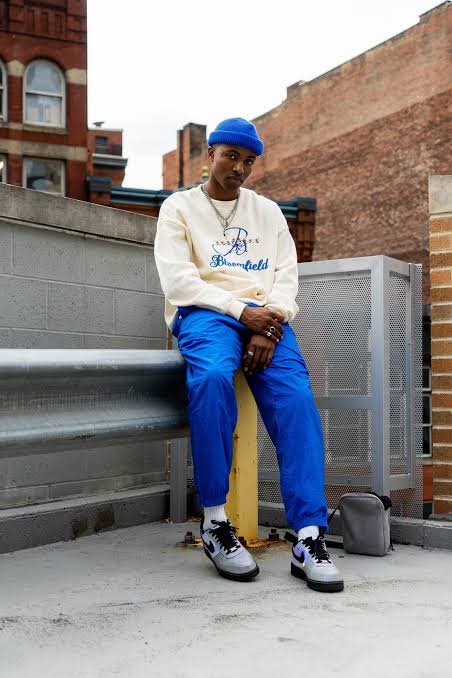
The fabric determines how the garment feels, drapes, and performs.
Step 2: Pattern Development
Luxury brands rarely use standard templates.
Instead, they create custom patterns to achieve:
- Signature oversized fits
- Balanced proportions
- Better movement
- Consistent sizing
Pattern development is one of the biggest differences between premium and basic apparel.
Step 3: Sample Development
Before mass production begins, multiple samples are reviewed.
Manufacturers test:
- Measurements
- Fit
- Fabric performance
- Printing
- Embroidery
- Washing results
Several revisions are common before final approval.
Step 4: Precision Production
Bulk production requires experienced sewing teams.
Factories focus on:
- Clean stitching
- Accurate seam alignment
- Reinforced stress points
- Consistent construction
Small details greatly influence the final product.
Step 5: Washing and Finishing
Luxury streetwear often includes special finishing techniques.
Popular options include:
- Garment washing
- Enzyme wash
- Vintage wash
- Acid wash
- Silicone wash
These treatments improve softness, appearance, and uniqueness.
Step 6: Quality Control
Premium brands inspect products throughout production.
Typical inspections include:
- Fabric defects
- Measurement checks
- Print quality
- Color consistency
- Thread trimming
- Packaging review
Strong quality control protects brand reputation.
Key Elements That Define Premium Quality
Luxury streetwear isn't created by expensive logos.
It comes from consistent attention to detail.
Fabric Quality
Premium materials create:
- Better comfort
- Richer texture
- Longer lifespan
Construction
High-end garments feature:
- Strong stitching
- Reinforced seams
- Durable neckbands
- Excellent shape retention
Finishing Details
Luxury brands pay attention to:
- Custom woven labels
- Premium hang tags
- Branded packaging
- Clean presentation
These details improve the customer experience.
Luxury vs Standard Streetwear Production
| Feature | Luxury Streetwear | Standard Streetwear |
|---|---|---|
| Fabric | Premium heavyweight | Standard cotton |
| Pattern | Custom developed | Standard blocks |
| Sampling | Multiple revisions | Limited revisions |
| Finishing | Advanced washing | Basic finishing |
| Quality Control | Multi-stage inspection | Basic inspection |
| Packaging | Premium branding | Standard packaging |
The difference is found in the process—not just the product.
How New Brands Can Follow the Same Process
From my experience, startups don't need enormous budgets to manufacture premium products.
Instead, they should focus on:
Investing in Better Fabrics
Higher-quality fabrics immediately improve perceived value.
Perfecting the Fit
Customers remember garments that fit well.
Spend time refining patterns before bulk production.
Choosing an Experienced Manufacturer
A professional OEM partner can assist with:
- Fabric sourcing
- Pattern making
- Sampling
- Washing techniques
- Quality management
For example, Fuki Apparel works with streetwear brands to develop premium hoodies, oversized T-shirts, sweatpants, and private label collections using high-quality materials and modern manufacturing techniques.
Resources
Internal Resources
External Resources
- https://www.businessoffashion.com/
- https://www.highsnobiety.com/
- https://www.oeko-tex.com/
- https://bettercotton.org/
FAQ
What makes luxury streetwear different?
Luxury streetwear combines premium fabrics, custom patterns, expert construction, advanced finishing, and strict quality control.
Why do luxury brands use heavyweight cotton?
Heavyweight cotton improves structure, durability, and the premium feel that customers expect.
How many samples are usually made before production?
Most premium brands review several sample rounds before approving bulk production.
Is garment washing important?
Yes. Washing techniques improve softness, create unique finishes, and enhance overall garment quality.
Can startup brands manufacture luxury streetwear?
Absolutely. By working with experienced OEM manufacturers and investing in quality materials, startups can build premium collections without owning their own factory.
Final Thoughts
From my experience, luxury streetwear isn't defined by branding alone—it's the result of disciplined manufacturing, premium materials, and careful attention to every production detail.
The brands that succeed are those that prioritize consistency from fabric selection to final packaging.
If you're planning to launch a premium streetwear collection, partnering with an experienced OEM manufacturer like Fuki Apparel can help you develop garments that meet luxury standards while maintaining efficient and scalable production.
