
Heavyweight cotton has become one of the most sought-after materials in modern streetwear.
From oversized T-shirts and premium hoodies to luxury sweatpants, heavyweight cotton is often associated with better quality, durability, and a more premium feel.
But have you ever wondered:
How is heavyweight cotton actually made?
Many people assume it's simply thicker cotton.
In reality, producing heavyweight cotton involves a combination of fiber selection, yarn engineering, knitting techniques, finishing treatments, and quality control.
After working with fabric mills and streetwear manufacturers, I've learned that the difference between a basic cotton fabric and a premium heavyweight cotton fabric starts long before the garment is sewn.
In this guide, I'll explain exactly how heavyweight cotton is produced, why it costs more, and how clothing brands use it to create premium streetwear products.
Table of Contents
- 1. What Is Heavyweight Cotton?
- 2. Why Heavyweight Cotton Is Popular in Streetwear
- 3. Step 1: Cotton Fiber Selection
- 4. Step 2: Yarn Spinning Process
- 5. Step 3: Knitting or Weaving the Fabric
- 6. Step 4: Dyeing and Fabric Finishing
- 7. Step 5: Pre-Shrinking and Stabilization
- 8. Quality Control Standards
- 9. Heavyweight Cotton vs Regular Cotton
- 10. How Brands Use Heavyweight Cotton
- 11. FAQ
- Final Thoughts
1. What Is Heavyweight Cotton?
Heavyweight cotton refers to cotton fabric with a higher fabric weight than standard cotton fabrics.
Fabric weight is typically measured in GSM (grams per square meter).
Common Cotton Weight Categories
| Fabric Type | GSM Range |
|---|---|
| Lightweight Cotton | 120–180 GSM |
| Standard Cotton | 180–220 GSM |
| Midweight Cotton | 220–280 GSM |
| Heavyweight Cotton | 300–450 GSM |
| Ultra Heavyweight Cotton | 450–600 GSM |
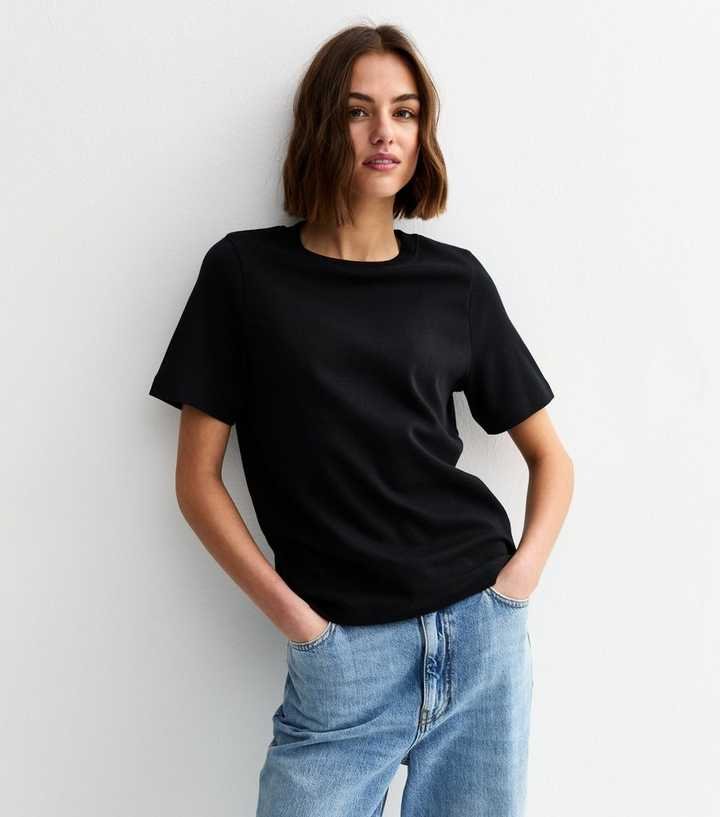
Generally, fabrics above 300 GSM are considered heavyweight.
2. Why Heavyweight Cotton Is Popular in Streetwear
Heavyweight cotton has become a defining feature of premium streetwear.
Benefits
- Better structure
- More durable
- Less transparent
- Premium drape
- Improved longevity
- Better oversized silhouettes
Why Brands Prefer It
| Benefit | Impact |
|---|---|
| Structure | High |
| Durability | High |
| Comfort | High |
| Premium Appearance | Very High |
Many premium streetwear brands use heavyweight cotton to differentiate themselves from fast-fashion products.
3. Step 1: Cotton Fiber Selection
Everything starts with the cotton fiber.
Not all cotton is created equal.
Common Cotton Types
| Cotton Type | Characteristics |
|---|---|
| Upland Cotton | Most common |
| Combed Cotton | Cleaner and softer |
| Organic Cotton | Sustainable |
| Long-Staple Cotton | Stronger fibers |
| Extra Long-Staple Cotton | Premium quality |
Premium heavyweight fabrics often use combed or long-staple cotton.
Why Fiber Quality Matters
Better fibers result in:
- Stronger yarns
- Softer hand feel
- Less pilling
- Longer lifespan
4. Step 2: Yarn Spinning Process
Once cotton fibers are prepared, they are spun into yarn.
The yarn structure greatly influences the final fabric.
Spinning Methods
- Open-End Spinning
- Ring Spinning
- Compact Spinning
Comparison
| Method | Quality Level |
|---|---|
| Open-End | Standard |
| Ring-Spun | Premium |
| Compact Spun | Luxury |
Most premium heavyweight streetwear fabrics use ring-spun cotton yarn.
Why Ring-Spun Yarn Is Popular
- Softer texture
- Better durability
- Improved appearance
- Higher strength
5. Step 3: Knitting or Weaving the Fabric
The next step is converting yarn into fabric.
For streetwear, knitting is more common than weaving.
Common Construction Types
| Construction | Typical Use |
|---|---|
| Single Jersey | T-Shirts |
| French Terry | Sweatshirts |
| Fleece | Hoodies |
| Interlock | Premium Basics |
How Heavyweight Fabric Is Achieved
Manufacturers increase fabric weight through:
- Thicker yarn counts
- Higher stitch density
- More fabric loops per inch
This creates a heavier and more structured fabric.
6. Step 4: Dyeing and Fabric Finishing
Raw fabric is not ready for garment production.
It must be dyed and finished.
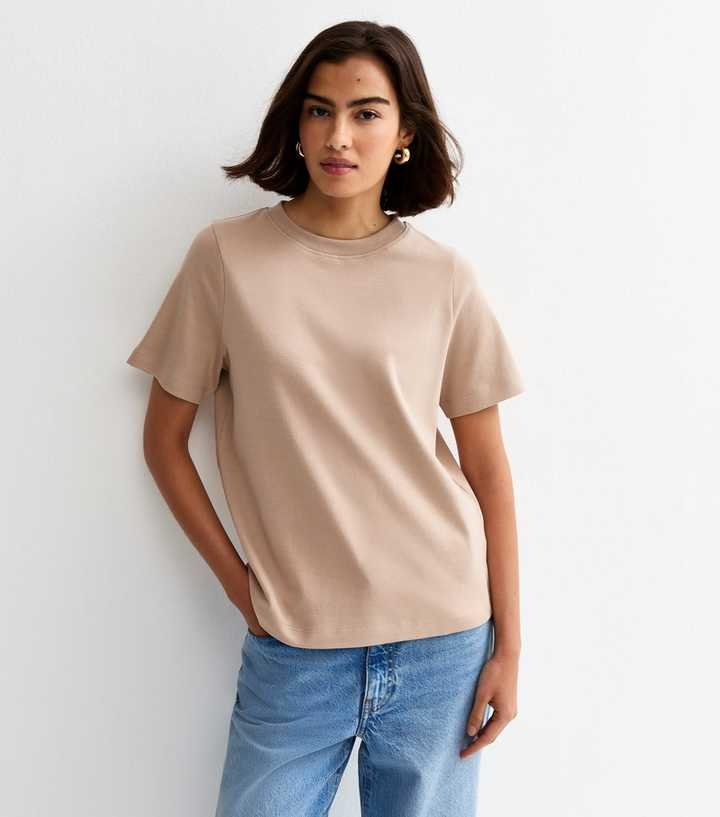
Common Finishing Processes
- Reactive Dyeing
- Bio Washing
- Silicone Washing
- Enzyme Treatment
- Softener Treatment
Purpose of Finishing
| Process | Benefit |
|---|---|
| Bio Wash | Smooth surface |
| Silicone Wash | Softer touch |
| Enzyme Wash | Reduced fuzz |
| Reactive Dye | Better color fastness |
These treatments improve both appearance and performance.
7. Step 5: Pre-Shrinking and Stabilization
One of the biggest concerns with cotton is shrinkage.
Premium fabric mills perform stabilization treatments before garments are produced.
Common Processes
- Compacting
- Sanforization
- Heat Setting
Why This Matters
Without stabilization:
- Garments may shrink after washing
- Measurements become inconsistent
- Customer satisfaction decreases
Premium heavyweight cotton typically undergoes shrinkage control processes before shipment.
8. Quality Control Standards
Before fabric is approved, it goes through multiple inspections.
Fabric Inspection Areas
- GSM consistency
- Width consistency
- Color matching
- Shrinkage testing
- Pilling resistance
- Color fastness
QC Checklist
| Test | Purpose |
|---|---|
| GSM Test | Weight accuracy |
| Shrinkage Test | Stability |
| Color Fastness | Dye durability |
| Pilling Test | Surface quality |
Premium fabric manufacturers maintain strict testing standards.
9. Heavyweight Cotton vs Regular Cotton
Many customers ask whether heavyweight cotton is worth the extra cost.
Comparison Table
| Feature | Regular Cotton | Heavyweight Cotton |
|---|---|---|
| GSM | 180–220 | 300–450 |
| Durability | Medium | High |
| Structure | Soft | Structured |
| Longevity | Medium | High |
| Premium Feel | Medium | High |
For premium streetwear products, heavyweight cotton is usually the preferred option.
10. How Brands Use Heavyweight Cotton
Heavyweight cotton is widely used in premium collections.
Popular Applications
- Oversized T-Shirts
- Hoodies
- Crewnecks
- Sweatpants
- Matching Sets
Typical Fabric Weights
| Product | Common GSM |
|---|---|
| Oversized Tee | 260–320 GSM |
| Premium Tee | 280–350 GSM |
| Hoodie | 380–500 GSM |
| Sweatpants | 320–450 GSM |
Brands focused on quality often choose heavier fabrics to improve customer perception.
Manufacturing Resources
If you're developing heavyweight cotton products, explore:
11. FAQ
What GSM is considered heavyweight cotton?
Generally, fabrics above 300 GSM are considered heavyweight.
Is heavyweight cotton better?
For durability, structure, and premium appearance, yes.
Why is heavyweight cotton more expensive?
It uses more material, higher-quality yarns, and additional finishing processes.
Does heavyweight cotton shrink?
It can, but premium fabrics usually undergo pre-shrinking treatments.
Is heavyweight cotton comfortable?
Yes. Modern finishing techniques allow heavyweight fabrics to remain soft and comfortable.
Final Thoughts
Heavyweight cotton is much more than thick fabric.
It is the result of:
- Careful fiber selection
- Advanced yarn spinning
- Specialized knitting techniques
- Professional finishing
- Strict quality control
From my experience, heavyweight cotton remains one of the most effective ways for clothing brands to elevate product quality and create a premium customer experience.
If you're developing heavyweight cotton garments, consider working with experienced manufacturers such as:
Industry resources:
Because when it comes to premium streetwear, the quality of the fabric often determines the quality of the brand.
