
For clothing brands, two stages usually determine whether a collection succeeds or fails:
👉 Sampling
👉 Bulk production
A great sample means nothing if bulk production becomes inconsistent.
And fast bulk production means little if the original sample was never properly developed.
That’s why structured manufacturing systems matter so much.
So how does Fuki Apparel actually manage these two critical stages?
Let’s break the process down step by step.
Table of Contents
- Quick Answer
- Why Sampling and Bulk Production Matter
- Overview of Fuki Apparel
- How the Sampling Process Works
- What Happens Before Bulk Production
- How Bulk Production Is Managed
- Quality Control During Production
- How Fuki Apparel Maintains Consistency
- Common Production Mistakes Brands Make
- FAQs
- Conclusion
- Internal Reference
Quick Answer
Fuki Apparel manages sampling and bulk production through a structured workflow that includes design review, sample development, production approval, quality control, and organized manufacturing systems, helping brands reduce production risk and improve consistency.
Why Sampling and Bulk Production Matter
In apparel manufacturing, sampling and bulk production are deeply connected.
Problems during sampling often lead to:
- Incorrect sizing
- Poor fabric selection
- Printing inconsistencies
- Production delays
Problems during bulk production can create:
- High defect rates
- Inconsistent garments
- Customer complaints
- Inventory waste
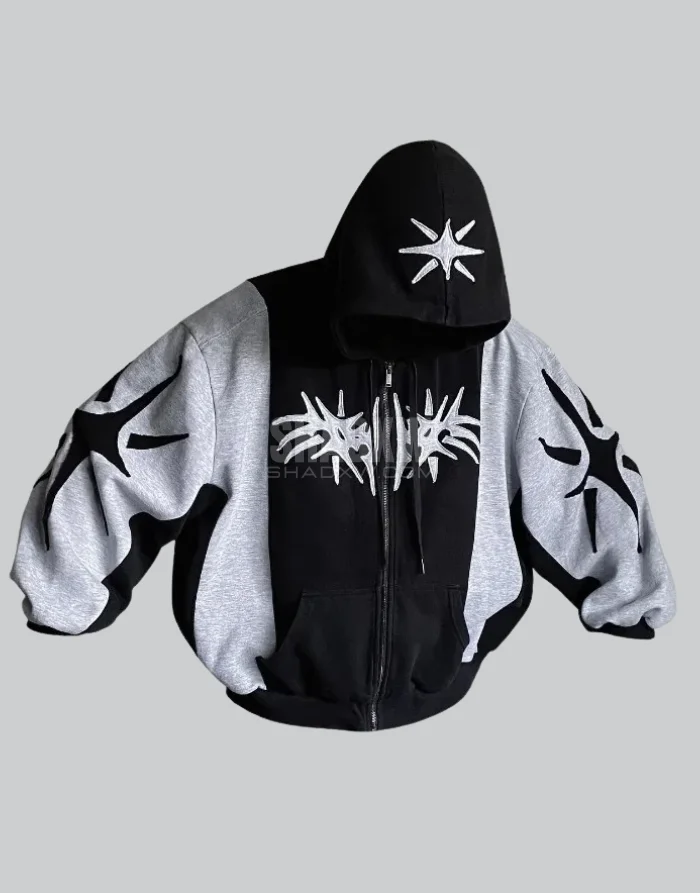
👉 Strong systems reduce these risks significantly.
Overview of Fuki Apparel
FukiApparel is a streetwear-focused manufacturer built for startup and growth-stage clothing brands.
Key production features include:
- MOQ around 100 pcs
- Sampling in 7–10 days
- Bulk production in 25–35 days
- Full customization (fabric, fit, trims, packaging)
👉 The workflow is designed for consistent and scalable apparel production.
How the Sampling Process Works
Step 1: Design & Tech Pack Review
The process starts with:
- Garment specifications
- Measurements
- Print placement
- Fabric requirements
👉 Clear details reduce production confusion later.
Step 2: Fabric & Trim Confirmation
Brands confirm:
- Fabric type
- GSM
- Ribbing
- Labels
- Packaging options
👉 Material choices directly affect product positioning.
Step 3: Sample Development
The sample is then produced based on approved specifications.
Brands review:
- Fit
- Fabric feel
- Wash effects
- Printing quality
- Embroidery details
Typical sampling timeline:
- Around 7–10 days
👉 Sampling allows corrections before mass production begins.
Step 4: Sample Revision (If Needed)
Adjustments may include:
- Fit corrections
- Print sizing
- Fabric changes
- Label placement updates
👉 Multiple revisions help improve final production accuracy.
What Happens Before Bulk Production
Once the sample is approved:
Production Planning Begins
This includes:
- Fabric sourcing confirmation
- Material preparation
- Production scheduling
- Workflow organization
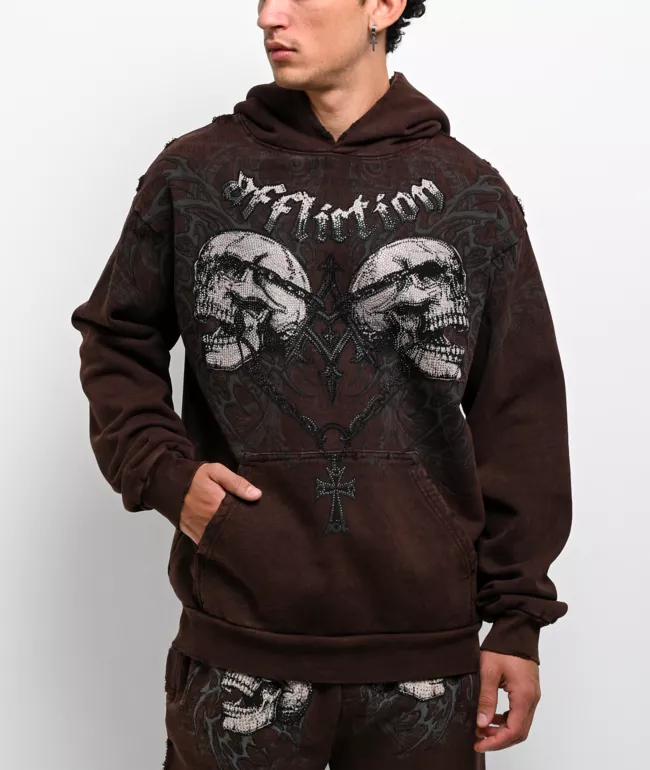
👉 Better planning improves manufacturing efficiency.
Bulk Approval Confirmation
Before manufacturing starts, the approved sample becomes the production reference.
👉 This step is critical for consistency.
How Bulk Production Is Managed
Bulk manufacturing usually includes:
- Fabric cutting
- Sewing
- Printing or embroidery
- Washing and finishing
- Final garment assembly
Typical production timeline:
- Around 25–35 days
👉 Organized production stages help reduce errors and delays.
Quality Control During Production
Fuki Apparel uses multiple QC stages throughout production.
Fabric Inspection
👉 Materials are checked before cutting begins
In-Line QC
👉 Problems are identified during sewing and printing
Final Inspection
👉 Finished garments are reviewed before packing
Packaging Check
👉 Labels, packaging, and quantities are verified
👉 Multi-stage QC helps maintain repeatable production quality.
How Fuki Apparel Maintains Consistency
Consistency is maintained through:
- Approved sample references
- Structured workflows
- Standardized production systems
- Repeat QC procedures
👉 These systems help reduce variation between orders.
Common Production Mistakes Brands Make
1. Rushing the Sample Stage
👉 Leads to larger problems later
2. Changing Designs Mid-Production
👉 Causes delays and inconsistencies
3. Incomplete Tech Packs
👉 Creates communication issues
4. Prioritizing Speed Over Accuracy
👉 Increases defect risk
👉 Strong preparation improves production results dramatically.
FAQs
How long does sampling take?
Usually around 7–10 days.
How long does bulk production take?
Typically 25–35 days after sample approval.
Why is sample approval important?
It becomes the reference standard for bulk manufacturing.
Does Fuki Apparel handle quality control?
Yes, QC is integrated throughout the production process.
Conclusion
So, how does Fuki Apparel manage sampling and bulk production?
👉 Through structured workflows, controlled quality systems, and organized production planning.
Because in modern apparel manufacturing, success doesn’t come from producing faster alone.
👉 It comes from producing consistently while helping brands scale with fewer operational problems.
Internal Reference
👉 Build your brand with a structured production partner: FukiApparel
Follow us for real production insights and updates:
- TikTok: Fuki Streetwear
- YouTube: Fuki Apparel
- Instagram: Fuki Streetwear
