
For clothing brands, producing one good sample is not enough. The real challenge is making sure every garment in a bulk order has the same quality, fit, and appearance.
From my experience working with OEM clothing manufacturers, consistency is what separates professional factories from ordinary suppliers. A factory may create a perfect first sample, but without a strong quality management system, bulk production can still have problems.
In this guide, I'll explain how clothing factories maintain consistent quality from the first fabric inspection to final shipment.
Table of Contents
- Quick Answer
- Why Clothing Quality Consistency Matters
- How Factories Control Quality Step by Step
- Key Areas Factories Monitor
- Quality Control vs Quality Assurance
- How Brands Can Improve Quality Results
- Resources
- FAQ
- Final Thoughts
Quick Answer
Professional clothing factories maintain consistent quality through:
- Approved samples
- Standard production procedures
- Fabric inspections
- Skilled production teams
- Inline quality checks
- Final inspections before shipment
Consistency comes from controlling every stage—not only checking finished products.
Why Clothing Quality Consistency Matters
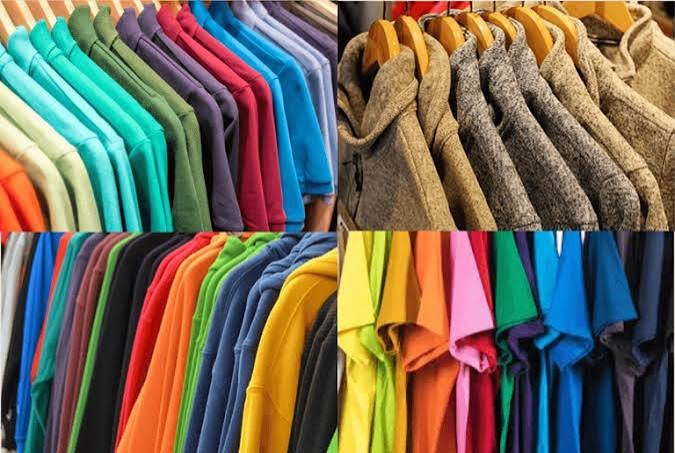
Customers expect every product from a brand to feel the same.
If one hoodie feels different from another, or one T-shirt has a different fit, customers may lose trust.
Consistent manufacturing helps brands achieve:
- Better customer satisfaction
- Fewer returns
- Stronger brand reputation
- Easier product scaling
- More repeat purchases
For growing brands, consistency is just as important as design.
How Factories Control Quality Step by Step
Step 1: Confirming Production Standards
Before bulk production begins, factories create clear standards based on the approved sample.
These standards include:
- Fabric type
- GSM
- Measurements
- Stitch details
- Print placement
- Packaging requirements
The approved sample becomes the reference for production.
Step 2: Fabric Quality Inspection
Quality control starts before cutting.
Factories check:
- Fabric defects
- Color consistency
- Fabric weight
- Shrinkage
- Texture
This prevents material problems from entering production.
Step 3: Accurate Pattern Control
Patterns directly affect garment consistency.
Factories maintain:
- Correct pattern files
- Size grading standards
- Cutting instructions
- Measurement tolerances
A stable pattern helps every garment maintain the same fit.
Step 4: Production Line Monitoring
During sewing, factories inspect garments while they are being produced.
Common checkpoints include:
- Seam quality
- Stitch strength
- Sleeve attachment
- Collar construction
- Size accuracy
Finding problems early reduces waste and rework.
Step 5: Printing and Embroidery Checks
For branded apparel, decoration quality is critical.
Factories verify:
- Logo position
- Print color
- Embroidery density
- Adhesion strength
- Artwork accuracy
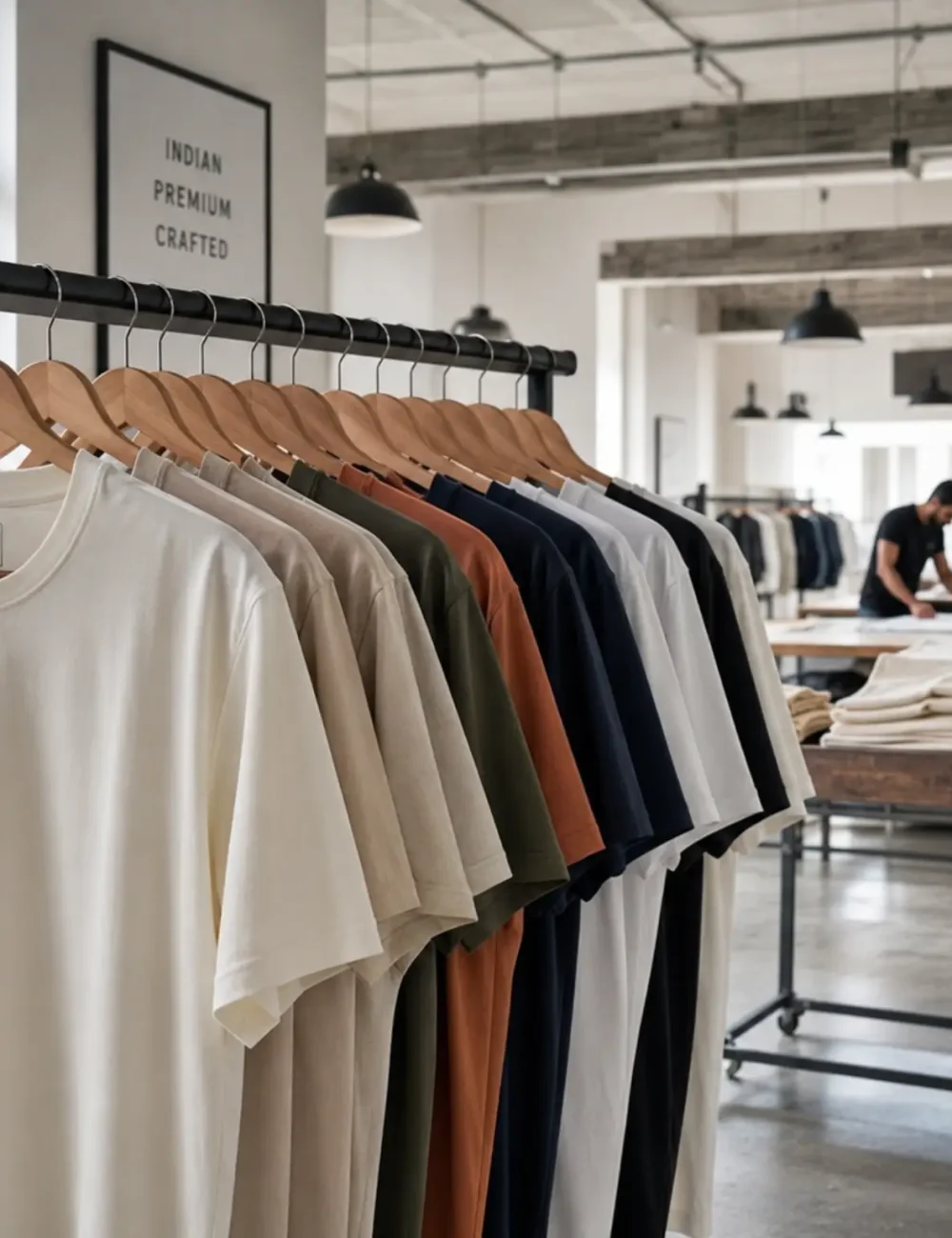
Brand details must match the approved sample.
Step 6: Final Inspection Before Shipment
Before shipping, factories perform final inspections.
They check:
- Overall appearance
- Measurements
- Sewing quality
- Labels
- Packaging
- Quantity
Only approved products should leave the factory.
Key Areas Factories Monitor
| Quality Area | What Factories Check |
|---|---|
| Fabric | Color, GSM, defects, shrinkage |
| Cutting | Pattern accuracy, panel matching |
| Sewing | Stitch quality, seam strength |
| Printing | Position, color, durability |
| Measurements | Size tolerance |
| Packaging | Labels, quantity, presentation |
Every detail affects the final customer experience.
Quality Control vs Quality Assurance
Many people confuse QC and QA, but they are different.
| Quality Control (QC) | Quality Assurance (QA) |
|---|---|
| Finds problems | Prevents problems |
| Checks finished products | Improves production systems |
| Inspection focused | Process focused |
| Reactive | Preventive |
Professional factories need both systems to maintain stable quality.
How Brands Can Improve Quality Results
From my experience, brands can improve production consistency by preparing properly before manufacturing.
I recommend:
Provide Clear Product Information
Include:
- Detailed tech packs
- Accurate measurements
- Fabric requirements
- Reference samples
Clear instructions reduce misunderstandings.
Approve Samples Carefully
Do not rush sample approval.
Check:
- Fit
- Fabric feel
- Construction
- Colors
- Details
The approved sample becomes the production benchmark.
Choose Experienced Manufacturers
A reliable manufacturer should provide:
- Professional sampling
- Strong QC systems
- Transparent communication
- Production experience
For example, Fuki Apparel supports brands with complete OEM manufacturing services, including product development, sample approval, inline inspections, final quality checks, and private label production.
Resources
Internal Resources
External Resources
- https://www.sgs.com/
- https://www.intertek.com/
- https://www.oeko-tex.com/
- https://www.sourcingjournal.com/
FAQ
How do clothing factories maintain consistent quality?
Factories maintain consistency through approved samples, production standards, inspections, and experienced production teams.
Why do bulk orders sometimes differ from samples?
Differences usually happen because of poor process control, incorrect materials, or insufficient quality checks.
What is the most important quality control stage?
Every stage matters, but controlling fabric quality, production processes, and final inspections has the biggest impact.
Can factories guarantee zero defects?
No factory can guarantee zero defects, but strong quality systems can significantly reduce production problems.
How can brands choose a quality manufacturer?
Look for factories with experience, transparent communication, professional sampling processes, and strong inspection systems.
Final Thoughts
From my experience, consistent clothing quality is not created by one inspection at the end of production.
It comes from controlling every step—from fabric selection and pattern accuracy to sewing, finishing, and final inspection.
Brands that choose manufacturers with strong quality systems can build better products, reduce risks, and create stronger customer loyalty.
If you're developing a clothing collection, Fuki Apparel provides professional OEM and private label manufacturing solutions with structured quality control to help brands achieve reliable and consistent production.
