
When customers buy clothing, they may notice the design first—but they remember the fabric. A great-looking hoodie that shrinks, pills, or loses its shape after a few washes can quickly damage a brand's reputation.
From my experience working with clothing startups and established streetwear brands, fabric quality has a direct impact on customer satisfaction, repeat purchases, and long-term brand growth.
In this guide, I'll explain why fabric quality matters, how it influences business success, and what brands should consider when selecting materials for their collections.
Table of Contents
- Quick Answer
- Why Fabric Quality Matters
- How Fabric Influences Brand Success
- High-Quality vs Low-Quality Fabric
- How Brands Choose Better Fabrics
- Common Fabric Selection Mistakes
- Resources
- FAQ
- Final Thoughts
Quick Answer
Fabric quality affects nearly every part of a clothing business.
High-quality fabrics help brands:
- Improve customer satisfaction
- Increase repeat purchases
- Reduce returns
- Strengthen brand reputation
- Support premium pricing
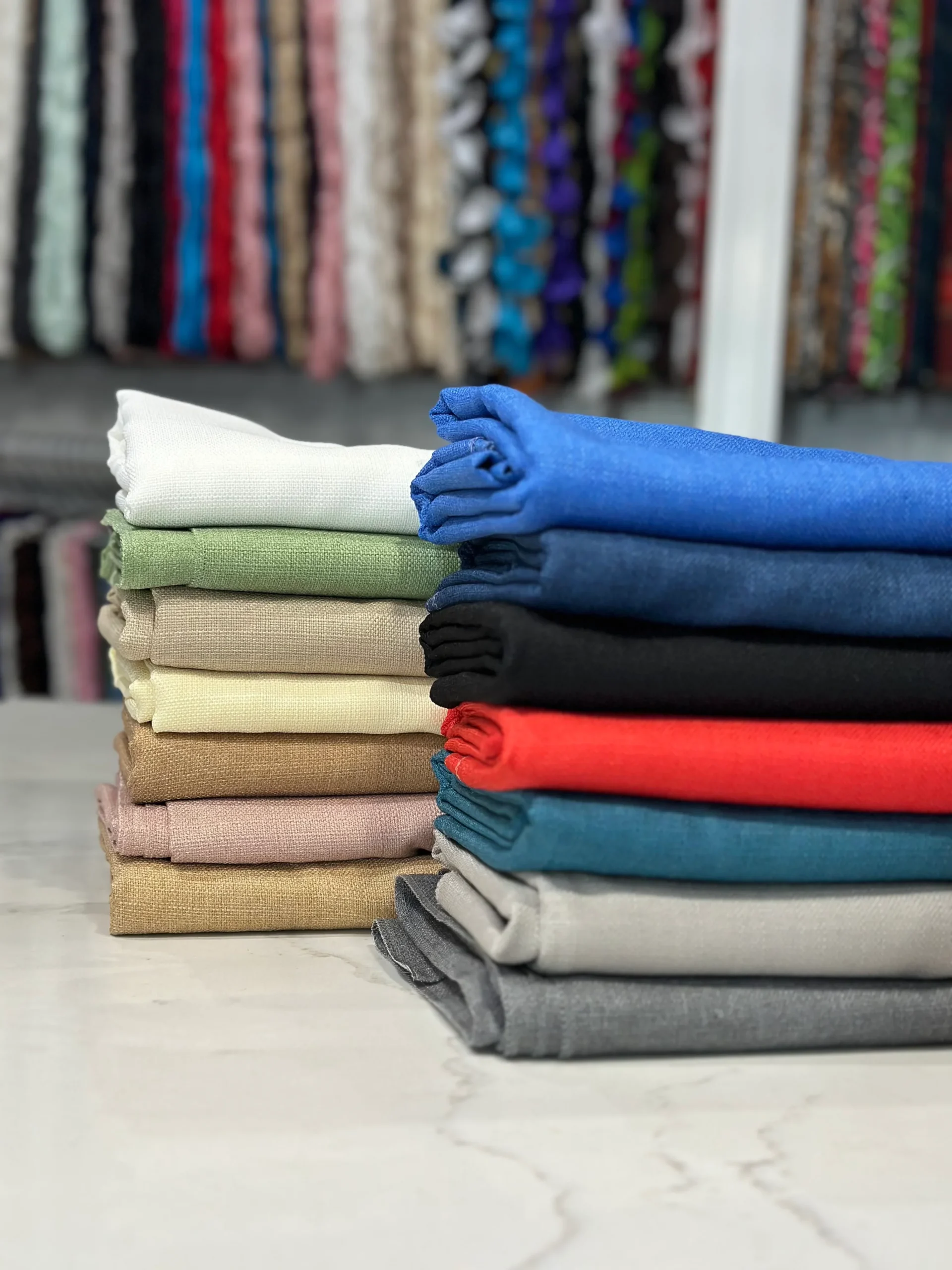
Good fabric isn't just a production decision—it's a long-term business investment.
Why Fabric Quality Matters
Customers experience fabric before they evaluate anything else.
A premium fabric should offer:
- Soft hand feel
- Comfortable wear
- Good breathability
- Long-lasting durability
- Shape retention after washing
From my experience, customers often associate fabric quality with the overall quality of the entire brand.
First Impressions Matter
A garment that feels premium immediately creates confidence.
Customers notice:
- Weight
- Softness
- Texture
- Stretch
- Structure
These details influence purchasing decisions more than many brands realize.
How Fabric Influences Brand Success
Higher Customer Satisfaction
Better fabrics create better wearing experiences.
Satisfied customers are more likely to:
- Leave positive reviews
- Recommend the brand
- Buy again
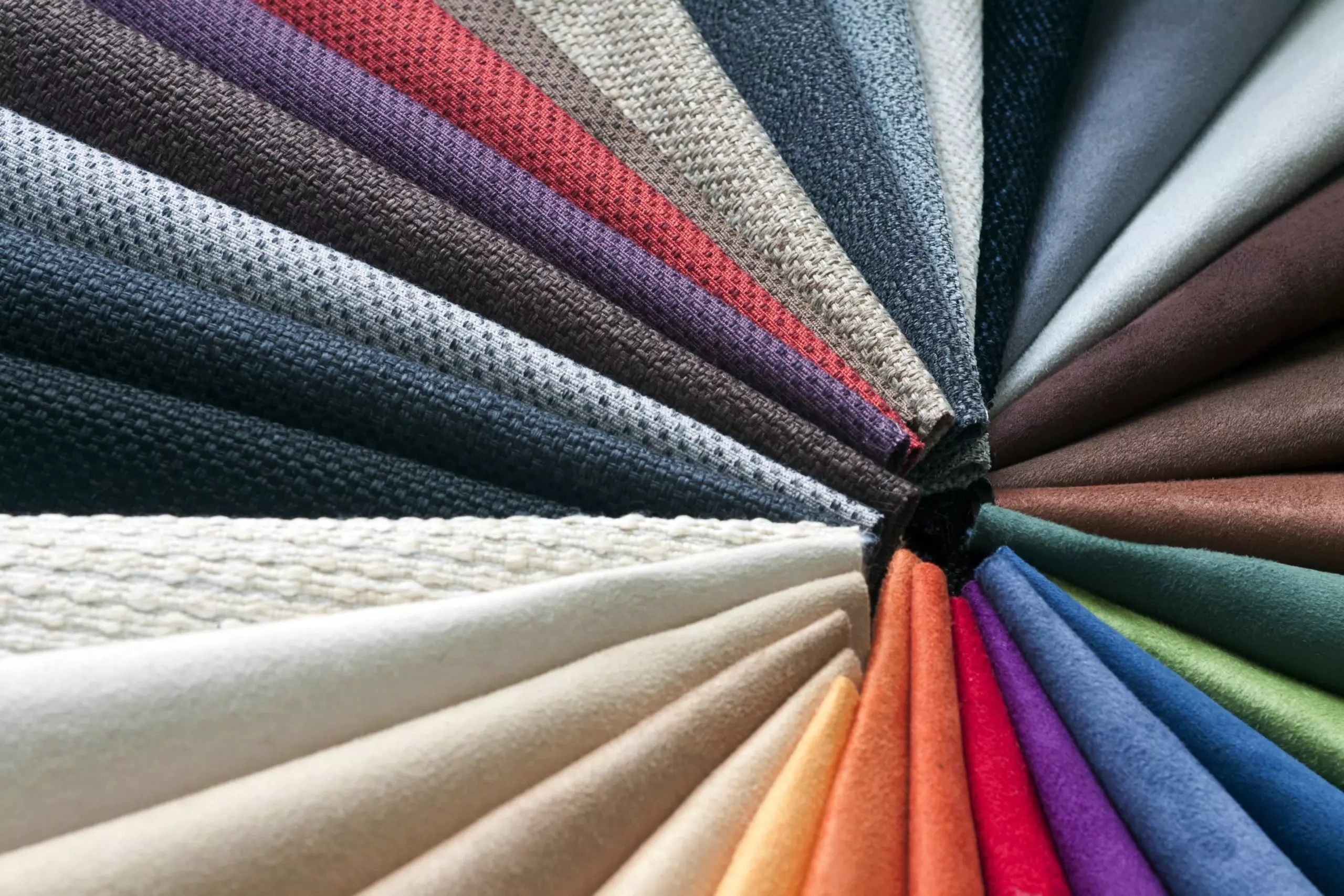
Fewer Product Returns
Poor fabrics often lead to complaints about:
- Shrinkage
- Pilling
- Fading
- Twisting
- Poor recovery
Choosing quality materials helps reduce after-sales problems.
Stronger Brand Positioning
Premium brands rarely compete on price alone.
Instead, they compete through:
- Better materials
- Better construction
- Better customer experience
Fabric quality supports premium pricing and long-term brand value.
Increased Customer Loyalty
Customers return to brands that consistently deliver products with:
- Comfortable fabrics
- Reliable quality
- Long product life
Consistency builds trust over time.
High-Quality vs Low-Quality Fabric
| Feature | High-Quality Fabric | Low-Quality Fabric |
|---|---|---|
| Softness | Excellent | Average |
| Durability | High | Lower |
| Shape Retention | Excellent | Poor |
| Pilling Resistance | Strong | Weak |
| Customer Satisfaction | Higher | Lower |
| Brand Perception | Premium | Budget |
How Brands Choose Better Fabrics
From my experience, successful brands evaluate more than just price.
Understand Your Customers
Different customers expect different fabrics.
For example:
- Streetwear buyers often prefer heavyweight cotton.
- Loungewear customers prioritize softness.
- Athletic brands focus on stretch and moisture management.
Test Fabrics Before Production
Always request sample swatches and garments before placing bulk orders.
Evaluate:
- Hand feel
- Shrinkage
- Colorfastness
- Wash performance
- Pilling resistance
Testing early helps avoid expensive production mistakes.
Work With Experienced Manufacturers
A professional manufacturer can recommend fabrics that balance:
- Quality
- Cost
- Performance
- Customer expectations
For example, Fuki Apparel helps brands source premium fabrics and develop custom apparel through OEM and private label manufacturing, ensuring quality from fabric selection to bulk production.
Common Fabric Selection Mistakes
Many clothing brands make the same sourcing errors.
Choosing Based Only on Price
The cheapest fabric often costs more in the long run because of:
- Higher return rates
- Customer complaints
- Lower repeat business
Ignoring Fabric Testing
Even high-quality fabrics should be tested before mass production.
Look for:
- Shrinkage
- Color stability
- Stretch recovery
- Fabric durability
Copying Competitors Without Research
Just because another brand uses a certain fabric doesn't mean it's right for your collection.
Choose materials based on your own customers and product positioning.
Resources
Internal Resources
External Resources
- https://www.oeko-tex.com/
- https://bettercotton.org/
- https://textileexchange.org/
- https://www.businessoffashion.com/
FAQ
Why is fabric quality important for clothing brands?
Because it directly affects customer satisfaction, product durability, brand reputation, and repeat purchases.
Does premium fabric increase production costs?
Usually yes, but it often reduces returns and allows brands to charge higher retail prices.
How can brands evaluate fabric quality?
Request samples, perform wash tests, check pilling resistance, evaluate softness, and review fabric certifications.
What fabrics are commonly used by premium brands?
Heavyweight cotton, French terry, brushed fleece, organic cotton, modal, and high-quality cotton blends are all popular choices.
Can startups afford premium fabrics?
Yes. Many OEM manufacturers now offer flexible MOQs that allow smaller brands to access premium materials without large inventory commitments.
Final Thoughts
From my experience, fabric quality is one of the strongest competitive advantages a clothing brand can have.
Customers may be attracted by design, but they stay loyal because the garments continue to perform after months of wear.
Investing in better fabrics improves customer experience, strengthens brand positioning, and creates long-term business value.
If you're building a premium apparel collection, partnering with an experienced OEM manufacturer like Fuki Apparel can help you select high-quality fabrics that support both your products and your brand's growth.
