
When people think about building a successful clothing brand, they often focus on logos, marketing, or social media. But from my experience working with apparel brands and OEM manufacturers, fabric choice has a much bigger influence on brand positioning than most people realize.
Customers don't just see your garments—they feel them. The weight, softness, texture, and performance of your fabric instantly communicate whether your brand is premium, affordable, sustainable, or performance-driven.
In this guide, I'll explain how fabric selection shapes brand perception and how you can choose materials that reinforce your brand identity.
Table of Contents
- Quick Answer
- Why Fabric Matters for Brand Positioning
- How Different Fabrics Shape Brand Identity
- Fabric Comparison by Brand Type
- How to Choose Fabrics That Match Your Brand
- Common Positioning Mistakes
- Resources
- FAQ
- Final Thoughts
Quick Answer
Fabric directly influences how customers perceive your brand.
For example:
- Heavyweight cotton suggests premium quality.
- Organic cotton supports sustainability.
- Cotton blends emphasize durability and value.
- Performance fabrics communicate innovation.
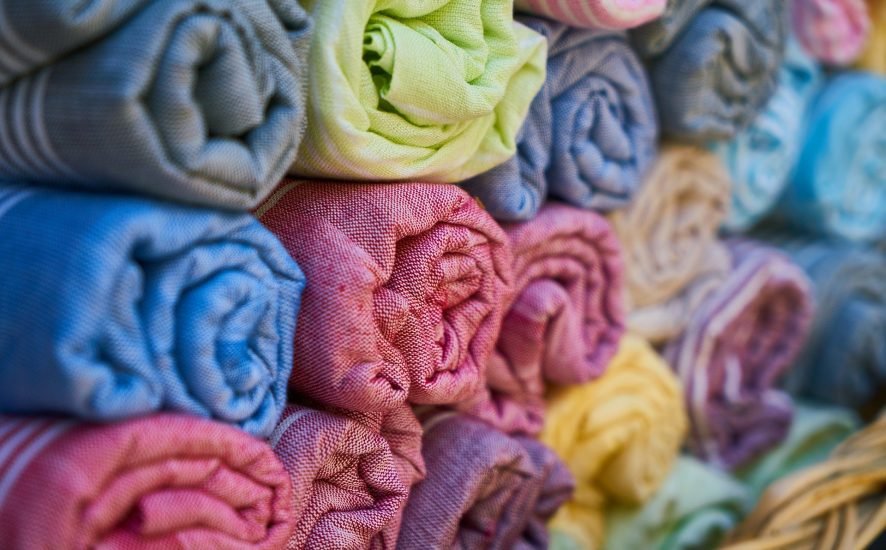
The right fabric strengthens your positioning long before customers notice your logo.
Why Fabric Matters for Brand Positioning
Every fabric sends a message.
Customers often judge a garment within seconds by touching it.
They immediately notice:
- Softness
- Weight
- Texture
- Stretch
- Comfort
These physical qualities influence whether your brand feels premium, affordable, or performance-focused.
From my experience, brands that align fabric quality with their target market build stronger customer trust.
How Different Fabrics Shape Brand Identity
Heavyweight Cotton
Heavyweight cotton creates a premium impression.
It's commonly used for:
- Luxury streetwear
- Oversized hoodies
- Designer basics
Customers associate heavyweight fabrics with durability and quality.
Organic Cotton
Organic cotton supports brands that focus on sustainability.
It communicates:
- Environmental responsibility
- Natural comfort
- Premium craftsmanship
Cotton Blends
Cotton blends balance comfort and performance.
They work well for brands targeting:
- Everyday wear
- Affordable collections
- Active lifestyles
Performance Fabrics
Technical fabrics are ideal for:
- Sportswear
- Fitness apparel
- Outdoor clothing
They reinforce a brand image centered on function and innovation.
Fabric Comparison by Brand Type
| Brand Position | Recommended Fabric | Main Benefit |
|---|---|---|
| Premium Streetwear | Heavyweight Cotton | Luxury feel |
| Sustainable Brand | Organic Cotton | Eco-friendly image |
| Lifestyle Brand | French Terry | Everyday comfort |
| Activewear Brand | Cotton Blend / Performance Fabric | Flexibility & durability |
| Value Brand | Cotton Blend | Cost efficiency |
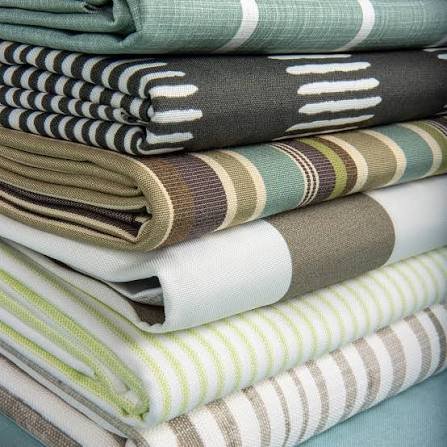
Choosing fabrics that match your positioning creates a more consistent customer experience.
How to Choose Fabrics That Match Your Brand
Understand Your Audience
Start by asking:
- Who are your customers?
- What do they value most?
- Are they looking for luxury, comfort, sustainability, or performance?
The answers should guide your fabric selection.
Align Fabric With Product Pricing
Higher retail prices usually require:
- Better fabrics
- Better finishing
- Better construction
Customers expect premium materials when paying premium prices.
Stay Consistent Across Collections
Using different fabric qualities within the same product category can confuse customers.
Consistency helps strengthen brand identity and customer loyalty.
An experienced manufacturing partner can also recommend fabrics that match your positioning and budget.
For example, Fuki Apparel helps clothing brands select fabrics that support premium, streetwear, and private label collections while maintaining consistent quality across production.
Common Positioning Mistakes
Choosing Fabric Only by Price
Lower-cost fabrics may reduce production expenses, but they can also weaken brand perception.
Ignoring Customer Expectations
Luxury customers expect premium materials, while performance customers prioritize functionality.
Matching the fabric to your audience is essential.
Mixing Inconsistent Quality
If one T-shirt feels premium and the next feels basic, customers may lose confidence in your brand.
Maintain consistent fabric standards across every collection.
Resources
Internal Resources
External Resources
- https://bettercotton.org/
- https://www.oeko-tex.com/
- https://textileexchange.org/
- https://www.businessoffashion.com/
FAQ
Why is fabric important for brand positioning?
Fabric influences customer perception, product quality, pricing power, and long-term brand reputation.
Which fabric is best for premium clothing brands?
Heavyweight combed cotton, organic cotton, French terry, and premium fleece are popular choices for high-end apparel.
Can fabric justify higher prices?
Yes. Better fabrics improve comfort, durability, and perceived value, allowing brands to support premium pricing.
Should startup brands invest in premium fabrics?
If premium positioning is part of the brand strategy, investing in better fabrics early can help build credibility and customer loyalty.
Does fabric affect repeat purchases?
Absolutely. Comfortable, durable garments encourage customers to return and recommend the brand to others.
Final Thoughts
From my experience, fabric isn't just a production decision—it's a branding decision.
The materials you choose communicate your values, define your customer experience, and influence how your products are perceived in the market.
Whether you're building a premium streetwear label, a sustainable fashion brand, or a performance apparel collection, selecting fabrics that align with your positioning is one of the smartest investments you can make.
If you're developing a private label collection, partnering with an experienced OEM manufacturer like Fuki Apparel can help you choose fabrics that strengthen your brand identity while delivering consistent quality from sample to bulk production.
