
For clothing brands, product quality is not just about how garments look.
It affects:
- Customer satisfaction
- Brand reputation
- Return rates
- Repeat purchases
- Long-term growth
And in apparel manufacturing, quality problems usually don’t happen because of one big mistake.
👉 They happen because factories lack strong production systems.
So the real question is:
How does Fuki Apparel actually control product quality during production?
Let’s break down the full process.
Table of Contents
- Quick Answer
- Why Quality Control Matters in Apparel Manufacturing
- Overview of Fuki Apparel
- How Fuki Apparel Controls Product Quality
- Quality Control Workflow Explained
- Sample-to-Bulk Quality Consistency
- Common Quality Problems in Clothing Production
- How Structured QC Supports Brand Growth
- FAQs
- Conclusion
- Internal Reference
Quick Answer
Fuki Apparel controls product quality through sample-based production, structured workflows, material inspection, in-line quality control, and final garment inspection, helping brands achieve more consistent production results.
Why Quality Control Matters in Apparel Manufacturing
Poor quality control can create major problems for clothing brands.
Common issues include:
- Inconsistent sizing
- Fabric defects
- Uneven printing
- Sewing problems
- Incorrect packaging

👉 Even small defects can damage customer trust.
As brands grow, quality consistency becomes even more important.
That’s why strong QC systems matter far more than simply producing garments quickly.
Overview of Fuki Apparel
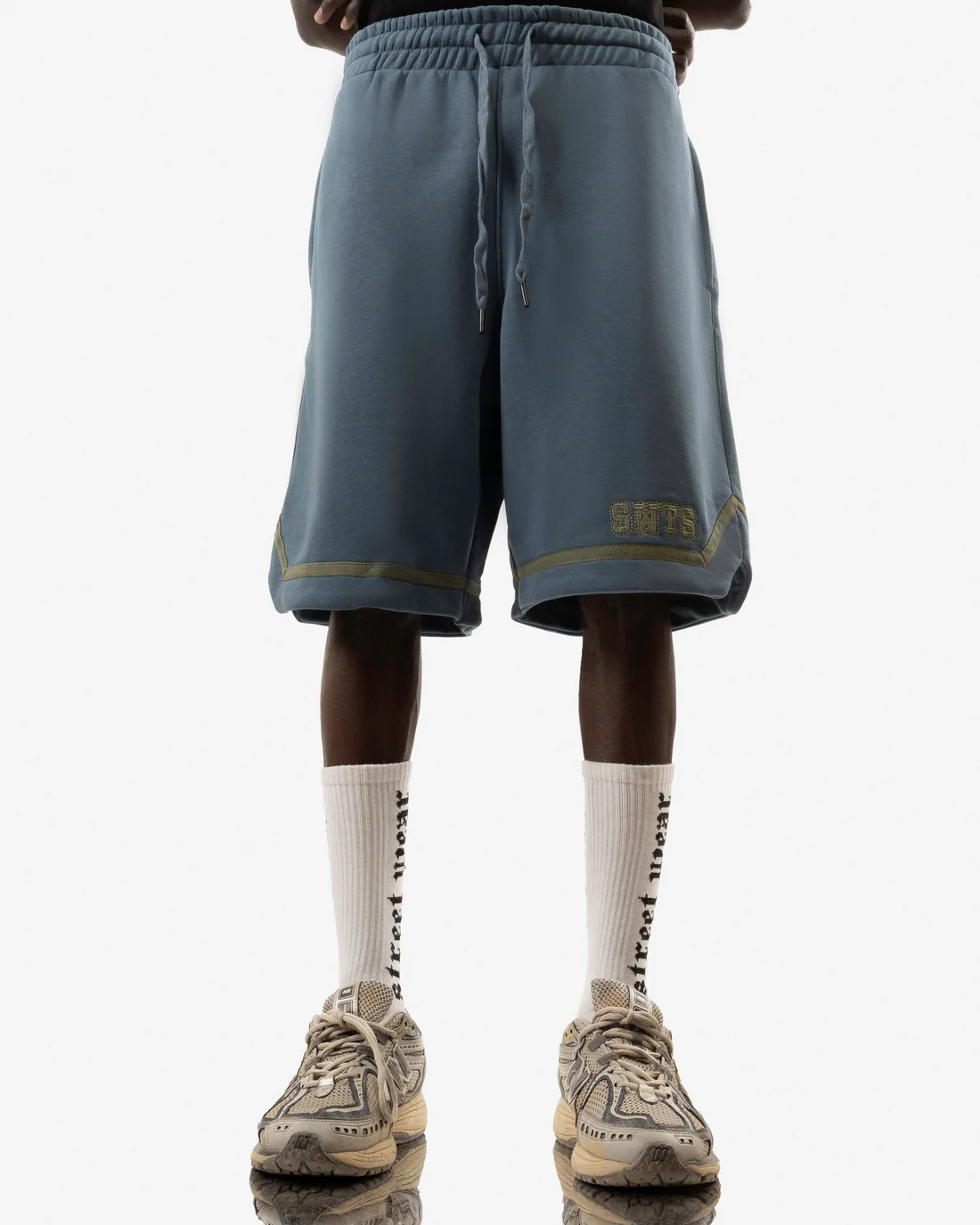
FukiApparel is a streetwear-focused manufacturer built for startup and growth-stage brands.
Key production features include:
- MOQ around 100 pcs
- Sampling in 7–10 days
- Bulk production in 25–35 days
- Full customization support
👉 The production workflow is designed to improve quality consistency across orders.
How Fuki Apparel Controls Product Quality
1. Sample-Based Production
Every project begins with sampling.
This allows brands to confirm:
- Fit
- Fabric feel
- Printing quality
- Wash effects
- Construction details
👉 Approved samples become the production reference standard.
2. Material Inspection
Before production begins, materials are checked for:
- Fabric consistency
- Color accuracy
- Defects or damage
- Trim matching
👉 Better materials improve final garment quality.
3. Structured Production Workflow
The workflow includes:
- Design review
- Sample approval
- Bulk production planning
- In-line QC
- Final inspection
👉 Structured systems reduce production variation.
4. In-Line Quality Control
During production, garments are checked for:
- Sewing accuracy
- Print placement
- Embroidery quality
- Construction consistency
👉 Problems are identified before production is completed.
5. Final Inspection
Before shipping, finished garments are reviewed for:
- Sizing consistency
- Visual defects
- Label accuracy
- Packaging quality
👉 Final QC reduces shipment problems and customer complaints.
Quality Control Workflow Explained
| QC Stage | Purpose |
|---|---|
| Sample Approval | Confirm product standard |
| Fabric Inspection | Verify material quality |
| In-Line QC | Detect issues during production |
| Final Inspection | Check finished garments |
| Packaging Check | Confirm labels and quantities |
👉 Multi-stage QC improves repeat production consistency.
Sample-to-Bulk Quality Consistency
One of the biggest challenges in manufacturing is matching bulk production to the approved sample.
Fuki Apparel helps reduce variation through:
- Approved sample references
- Standardized production methods
- Organized material sourcing
- Structured QC systems
👉 Better sample-to-bulk consistency improves customer trust.
Common Quality Problems in Clothing Production
1. Fabric Inconsistency
👉 Different fabric batches can affect feel and appearance
2. Incorrect Sizing
👉 Poor grading creates inconsistent fits
3. Printing Defects
👉 Uneven placement or poor curing affects durability
4. Weak Construction
👉 Poor stitching reduces garment lifespan
5. Inconsistent Finishing
👉 Wash effects may vary without strong QC systems
👉 Structured production systems help reduce these problems significantly.
How Structured QC Supports Brand Growth
Consistent product quality helps brands:
- Reduce return rates
- Improve customer reviews
- Build stronger reputation
- Increase repeat customers
👉 Quality control is directly connected to long-term brand growth.
As order volume increases, structured QC becomes even more important.
FAQs
Does Fuki Apparel inspect fabrics before production?
Yes, material inspection is part of the workflow.
How does Fuki Apparel reduce production defects?
Through multi-stage quality control during production.
Why is sample approval important?
Because approved samples become the production reference standard.
Is QC more important for streetwear brands?
Yes, because fit, washes, and printing details are highly noticeable.
Conclusion
So, how does Fuki Apparel control product quality?
👉 Through structured workflows, sample-based production, and multiple quality control stages throughout manufacturing.
Because strong quality control is not just about finding defects.
👉 It’s about creating repeatable production systems that help brands scale with confidence.
Internal Reference
👉 Build your brand with a quality-focused production partner: FukiApparel
Follow us for real production insights and updates:
- TikTok: Fuki Streetwear
- YouTube: Fuki Apparel
- Instagram: Fuki Streetwear