
Many people believe fabric is the biggest factor in clothing quality. While fabric is important, I've learned from years of working with OEM clothing manufacturers that cutting and sewing often determine whether a garment feels premium or disappointing.
Even the best cotton can't compensate for inaccurate cutting or poor stitching. Precision during these production stages directly affects fit, durability, comfort, and customer satisfaction.
In this guide, I'll explain how cutting and sewing influence clothing quality and what brands should pay attention to before placing production orders.
Table of Contents
- Quick Answer
- Why Cutting Matters
- Why Sewing Matters
- Common Cutting & Sewing Problems
- How Brands Can Ensure Better Quality
- Resources
- FAQ
- Final Thoughts
Quick Answer
Professional cutting and sewing improve:
- Garment fit
- Size consistency
- Durability
- Wearing comfort
- Production efficiency
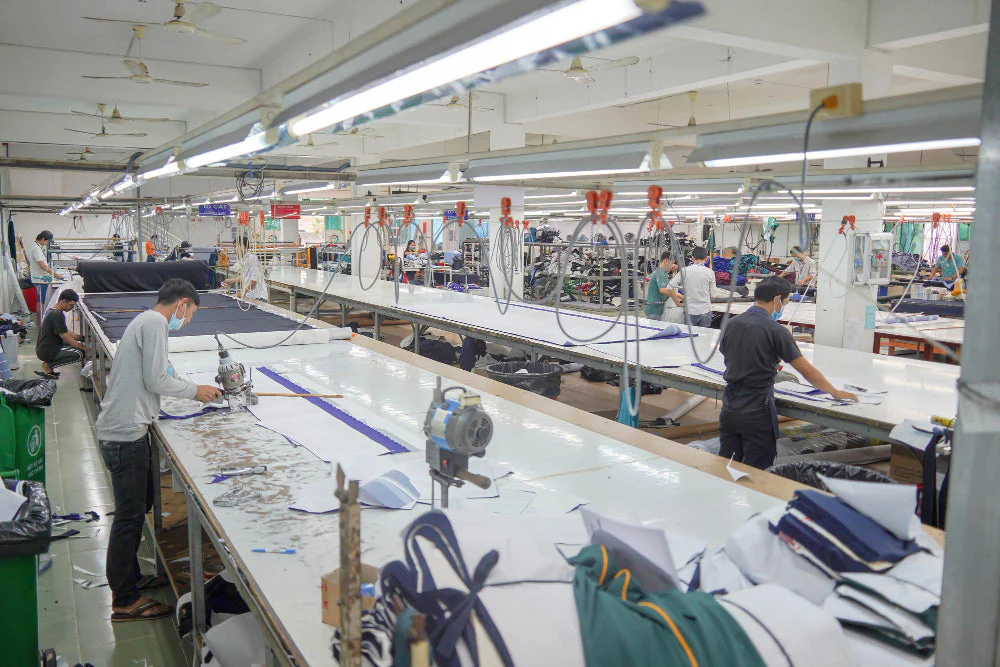
Poor workmanship often leads to uneven sizing, weak seams, and higher return rates.
Why Cutting Matters
Fabric cutting is the foundation of garment production.
If fabric panels are cut incorrectly, every sewing operation afterward becomes more difficult.
Professional factories focus on:
- Accurate pattern alignment
- Grain direction
- Fabric relaxation
- Clean cutting edges
- Consistent sizing
Precise cutting reduces waste while improving garment consistency.
Accurate Cutting Creates Better Fit
Every garment piece must match the approved pattern exactly.
Benefits include:
- Symmetrical garments
- Consistent measurements
- Better drape
- Easier sewing
Small cutting errors can become obvious after assembly.
Why Sewing Matters
Sewing transforms individual fabric pieces into finished garments.
Experienced operators pay attention to:
- Stitch density
- Seam strength
- Thread tension
- Seam alignment
- Reinforcement points
These details greatly affect durability.
Strong Construction Increases Product Life
Premium garments usually feature:
- Reinforced shoulder seams
- Clean neckline construction
- Secure hems
- Double-needle stitching
- Stress-point reinforcement
These techniques help clothing last longer after repeated washing.
Common Cutting & Sewing Problems
| Problem | Possible Cause |
|---|---|
| Uneven sizing | Inaccurate cutting |
| Twisted side seams | Incorrect fabric grain |
| Open seams | Weak stitching |
| Loose threads | Poor finishing |
| Uneven hems | Cutting or sewing errors |
| Collar stretching | Incorrect sewing tension |
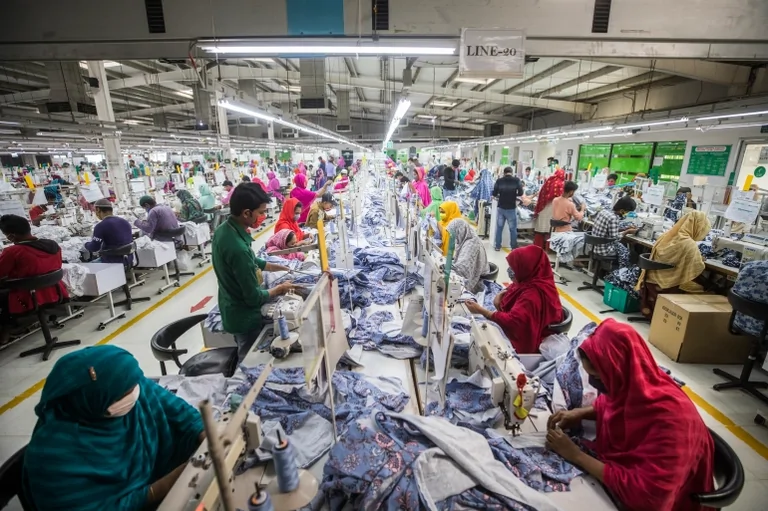
Most of these issues can be prevented through experienced production management.
How Brands Can Ensure Better Quality
From my experience, brands should focus on the manufacturing process—not only fabric selection.
I recommend:
- Approving production samples carefully
- Confirming construction details
- Reviewing stitch specifications
- Requesting inline inspections
- Choosing experienced sewing teams
A reliable factory should inspect garments continuously throughout production.
For example, Fuki Apparel combines precision fabric cutting, skilled sewing teams, multi-stage quality control, and private label manufacturing to help brands produce premium streetwear with consistent fit and long-lasting durability.
Resources
Internal Resources
External Resources
- https://www.sourcingjournal.com/
- https://www.oeko-tex.com/
- https://bettercotton.org/
- https://www.businessoffashion.com/
FAQ
Why is fabric cutting important in clothing manufacturing?
Accurate cutting ensures every garment piece matches the approved pattern, improving fit, consistency, and sewing efficiency.
How does sewing affect clothing quality?
Professional sewing strengthens seams, improves durability, maintains garment shape, and enhances overall appearance.
Can poor sewing ruin premium fabric?
Yes. Even high-quality fabric can result in poor products if stitching is weak or construction is inaccurate.
What sewing methods do premium brands use?
Many premium garments use reinforced seams, double-needle stitching, bartacks, and strict quality inspections.
How can brands reduce sewing defects?
Work with experienced manufacturers, approve samples carefully, and perform quality inspections throughout production.
Final Thoughts
From my experience, cutting and sewing are where clothing quality truly takes shape.
Precise cutting creates the correct fit, while skilled sewing delivers durability, comfort, and a premium appearance. Together, these processes determine whether customers view a garment as high-end or average.
If you're developing premium apparel, Fuki Apparel provides complete OEM and private label manufacturing with professional cutting, experienced sewing teams, and strict quality control to ensure every garment meets modern streetwear standards.
