
Quality control is one of the biggest differences between a reliable clothing factory and an average one. Even with premium fabrics and skilled workers, a garment can still fail if defects aren't identified before shipment.
From my experience working with OEM apparel manufacturers, successful factories don't inspect products only at the end—they monitor quality throughout the entire production process.
In this guide, I'll explain how professional clothing factories handle quality control and what brands should expect before placing an order.
Table of Contents
- Quick Answer
- What Is Apparel Quality Control?
- The Quality Control Process
- Common Defects Factories Check
- How Brands Can Improve QC Results
- Resources
- FAQ
- Final Thoughts
Quick Answer
Professional clothing factories perform quality control during every production stage, including:
- Fabric inspection
- Pattern verification
- Inline production inspection
- Printing & embroidery checks
- Measurement inspection
- Final AQL inspection
- Packing verification
This process helps ensure every garment meets the approved production standard.
What Is Apparel Quality Control?
Quality control (QC) is the process of checking garments before, during, and after production to ensure they meet the required specifications.
QC teams inspect:
- Fabric quality
- Measurements
- Stitching
- Printing
- Embroidery
- Washing results
- Packaging
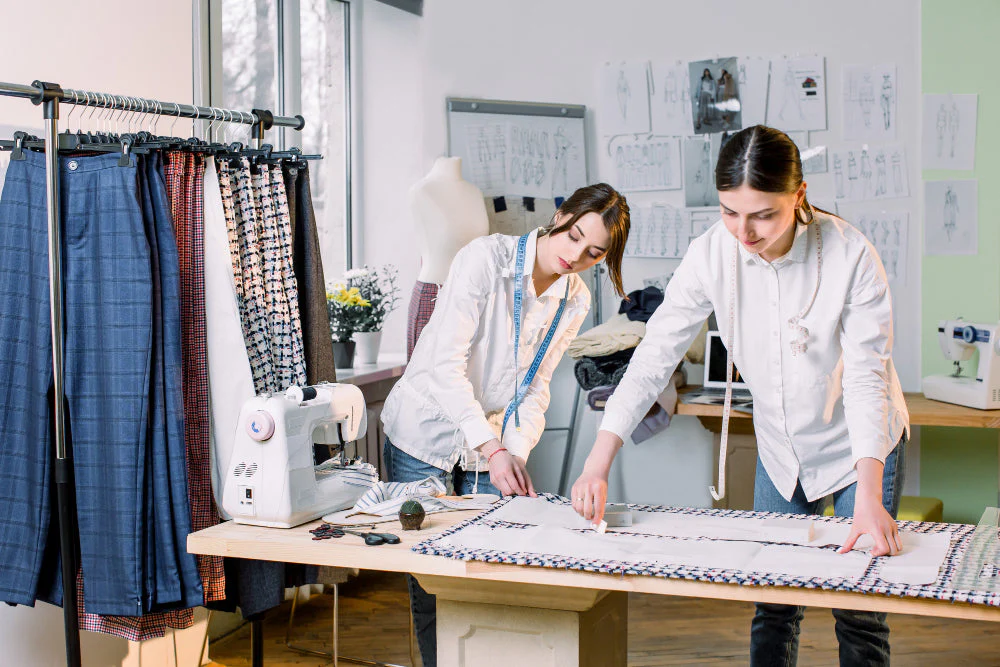
The goal is to prevent defective products from reaching customers.
The Quality Control Process
Step 1: Fabric Inspection
Before production starts, factories inspect fabric for:
- Color consistency
- Fabric flaws
- GSM accuracy
- Shrinkage
- Fabric width
Good QC begins before the first garment is cut.
Step 2: Pattern & Sample Verification
Factories compare production patterns with the approved sample to ensure:
- Correct sizing
- Accurate fit
- Proper construction
This prevents repeated errors during bulk production.
Step 3: Inline Production Inspection
QC inspectors regularly check garments while they are being sewn.
They monitor:
- Stitch quality
- Seam alignment
- Logo placement
- Thread tension
- Construction accuracy
Problems are corrected immediately instead of waiting until production ends.
Step 4: Decoration Inspection
After printing or embroidery, inspectors verify:
- Print position
- Color accuracy
- Embroidery density
- Heat transfer adhesion
- Artwork consistency
Every decoration should match the approved sample.
Step 5: Measurement Inspection
Random garments are measured to confirm:
- Chest width
- Body length
- Sleeve length
- Shoulder width
- Tolerance compliance
Consistent sizing improves customer satisfaction.
Step 6: Final AQL Inspection
Before shipment, factories usually perform an AQL (Acceptable Quality Limit) inspection.
This includes checking:
- Appearance
- Measurements
- Construction
- Packaging
- Labels
- Carton quality
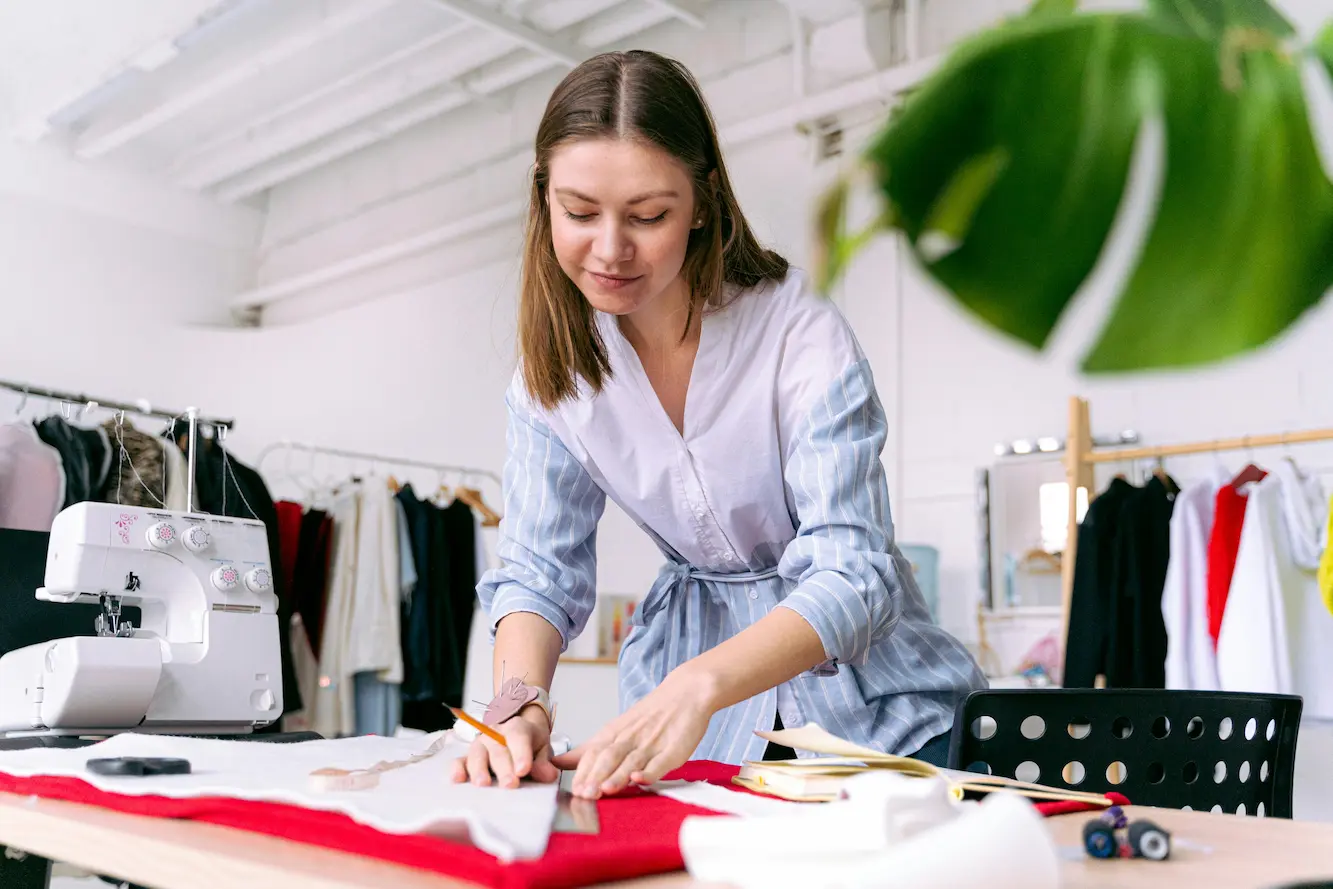
Only approved garments move to shipment.
Step 7: Packing Verification
The final inspection confirms:
- Correct folding
- Poly bags
- Hang tags
- Barcode labels
- Carton markings
- Shipping quantities
Proper packing reduces shipping errors.
Common Defects Factories Check
| Inspection Area | Common Problems |
|---|---|
| Fabric | Holes, stains, color variation |
| Sewing | Loose threads, skipped stitches |
| Printing | Misalignment, fading, cracks |
| Embroidery | Loose stitches, incorrect placement |
| Measurement | Size out of tolerance |
| Packaging | Wrong labels or missing accessories |
Identifying these issues early saves both time and money.
How Brands Can Improve QC Results
From my experience, quality control works best when brands and manufacturers communicate clearly.
I recommend:
- Providing detailed tech packs
- Approving production samples carefully
- Defining measurement tolerances
- Requesting production updates
- Working with experienced factories
For example, Fuki Apparel follows a multi-stage quality control process that includes fabric inspection, inline production checks, final AQL inspection, and packaging verification to help ensure every order meets customer expectations.
Resources
Internal Resources
External Resources
- https://www.sgs.com/
- https://www.intertek.com/
- https://www.oeko-tex.com/
- https://www.sourcingjournal.com/
FAQ
What is quality control in clothing manufacturing?
Quality control is the process of inspecting garments throughout production to ensure they meet approved specifications and quality standards.
What does AQL mean?
AQL stands for Acceptable Quality Limit, a widely used inspection method that determines whether a production batch meets agreed quality requirements.
When is quality control performed?
Professional factories inspect products before production, during sewing, after decoration, and again before shipment.
Can quality control eliminate all defects?
No system is perfect, but multiple inspection stages significantly reduce production errors and improve consistency.
Why should brands care about factory QC?
Strong quality control protects brand reputation, reduces customer complaints, and lowers return rates.
Final Thoughts
From my experience, quality control is not a single inspection—it's a complete production system that starts with fabric and ends only when the finished garments are packed and ready to ship.
Brands that work with manufacturers committed to consistent QC receive more reliable products, smoother production, and stronger customer satisfaction.
If you're looking for an experienced OEM partner, Fuki Apparel offers comprehensive quality management, from fabric inspection and sampling to final AQL inspection and worldwide delivery.
