
If you've ever received a quote from a clothing factory and thought, “Why is this price so different from another supplier?” — you're not alone.
From my experience working with apparel manufacturers and fashion startups, production pricing is one of the most misunderstood parts of clothing manufacturing.
Factories don’t randomly decide prices. They follow a structured calculation model based on materials, labor, production complexity, and order volume.
In this guide, I’ll break down exactly how clothing factories calculate your production cost so you can understand pricing like a professional brand owner.
Table of Contents
- Quick Answer
- What Is Production Cost?
- Main Cost Components
- How Factories Build Your Price
- Why Factory Prices Differ
- Example Cost Breakdown
- How to Reduce Your Production Cost
- Common Mistakes Brands Make
- Internal & External Resources
- FAQ
- Final Thoughts
Quick Answer
Clothing factories calculate your production cost using:
- Fabric cost
- Labor cost
- Printing/embroidery cost
- Accessories & trims
- Production complexity
- Order quantity (MOQ)
- Factory overhead + profit margin
👉 Final formula:
Total Cost = Materials + Labor + Processing + Overhead + Profit
From my experience, the biggest pricing misunderstandings come from hidden differences in fabric and labor efficiency—not just “factory markup.”
What Is Production Cost?
Production cost is the total expense required to manufacture your garment from raw materials to finished product.
It includes:
- Fabric sourcing
- Cutting & sewing
- Printing or embroidery
- Washing or dyeing
- Finishing & packaging
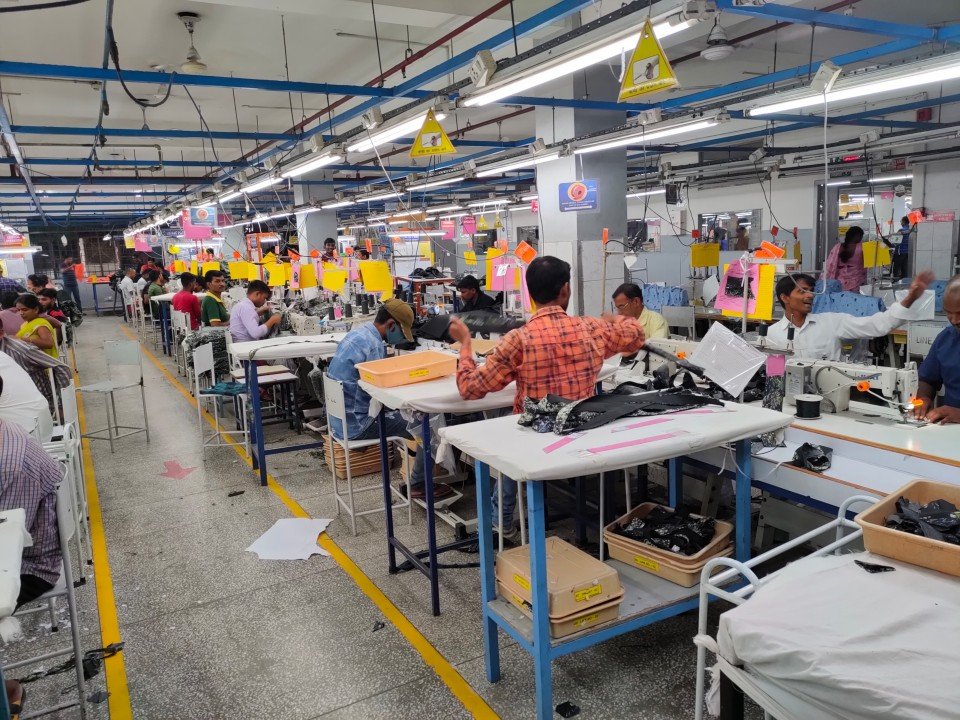
Most beginners only focus on fabric price, but in reality, fabric is only one part of the equation.
Main Cost Components
1. Fabric Cost
- Fabric is usually the largest cost factor.
:contentReference[oaicite:0]{index=0}
Fabric pricing depends on:
- Material type (cotton, polyester, blends)
- GSM (weight)
- Dyeing process
- Supplier source
👉 Higher GSM + specialty fabric = higher cost
2. Labor Cost
Labor includes:
- Cutting
- Sewing
- Finishing
Complex garments require more labor time and skilled workers.
3. Printing & Embroidery
| Method | Cost Level | Durability |
|---|---|---|
| Screen print | Low | Medium |
| Puff print | Medium | High |
| Embroidery | High | Very high |
| Heat transfer | Low | Medium |
4. Accessories & Trims
These include:
- Labels
- Zippers
- Drawstrings
- Buttons
- Hangtags
- Packaging
Small details often significantly impact final cost.
5. Production Complexity
More complex designs increase cost:
- Multi-panel hoodies
- Washed effects
- Heavy embroidery
- Special stitching techniques
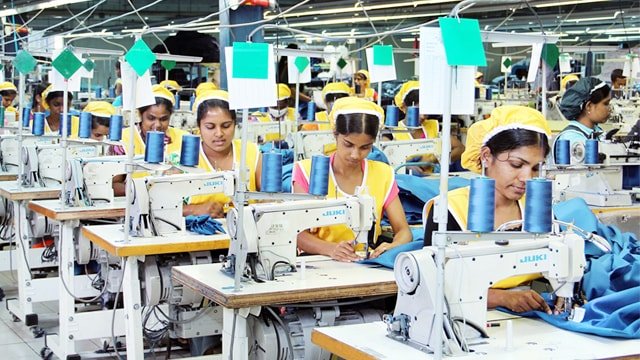
6. Order Quantity (MOQ)
Higher quantity reduces unit cost because fixed setup costs are spread across more units.
How Factories Build Your Price
From my experience, factories calculate pricing step-by-step:
Step 1: Material Calculation
Fabric + trims + accessories
Step 2: Labor Estimation
Cutting + sewing time
Step 3: Processing Cost
Printing, embroidery, washing
Step 4: Overhead Allocation
Factory rent, machines, utilities
Step 5: Profit Margin
Usually 5%–20%
Why Factory Prices Differ
Even with identical designs, prices vary because:
1. Factory Efficiency
Larger factories reduce cost per unit.
2. Fabric Supplier Network
Better sourcing = lower fabric cost.
3. Equipment Level
Automation reduces labor cost.
4. Quality Standards
Higher QC = slightly higher cost but fewer defects.
Example Cost Breakdown
Example: Hoodie production cost structure
| Cost Element | Percentage |
|---|---|
| Fabric | 35% |
| Labor | 25% |
| Printing | 15% |
| Accessories | 10% |
| Overhead | 10% |
| Profit | 5% |
👉 This is why prices vary significantly between factories.
How to Reduce Production Cost
From my experience working with startups, these strategies work best:
1. Use Stock Fabrics
Avoid custom fabric development in early stages.
2. Simplify Design
Reduce:
- Heavy embroidery
- Multiple fabrics
- Complex stitching
3. Increase Order Quantity
Even small increases reduce unit cost significantly.
4. Work With Experienced OEM Manufacturers
For example:
👉 Fuki Apparel provides OEM and private label streetwear manufacturing with optimized pricing structures for fashion brands.
Common Mistakes Brands Make
❌ Comparing only unit price
❌ Ignoring fabric differences
❌ Not understanding MOQ impact
❌ Skipping sampling stage
❌ Over-customizing early products
Internal & External Resources
Internal Resources
Industry Resources
FAQ
Why do clothing factories charge differently?
Because each factory has different labor efficiency, supply chain access, and production scale.
What is the biggest cost factor in clothing manufacturing?
Fabric and labor are usually the biggest contributors.
Can production cost be reduced?
Yes—by simplifying design, using stock fabrics, and increasing MOQ.
Why does embroidery increase cost?
Because it requires machine setup time and additional labor per piece.
Is cheap manufacturing always low quality?
Not always, but extremely low pricing often indicates compromises in materials or workmanship.
Final Thoughts
From my experience, understanding how factories calculate production cost helps you negotiate better and avoid overpaying.
Manufacturing pricing is not random—it is a structured system based on real production inputs.
Once you understand this system, you start thinking like a professional brand owner instead of just a buyer.
If you're building a clothing brand and want transparent OEM production, Fuki Apparel offers reliable manufacturing support with clear pricing, low MOQ options, and scalable production for growing fashion brands.
