
Embroidery has become one of the most popular decoration methods in premium streetwear.
From small chest logos to oversized back graphics, embroidered hoodies are often associated with higher quality, stronger durability, and a more premium brand image.
But how exactly are custom embroidered hoodies made?
Many people assume embroidery is simply stitching a logo onto a hoodie.
In reality, the process involves digitizing artwork, selecting thread types, programming embroidery machines, stabilizing fabrics, and conducting multiple quality checks.
A professionally embroidered hoodie may require thousands—or even hundreds of thousands—of individual stitches to achieve a clean, durable result.
After working with streetwear brands, embroidery factories, and apparel manufacturers, I've learned that great embroidery is both an art and a technical process.
In this guide, I'll walk you through exactly how custom embroidered hoodies are produced, from artwork preparation to final inspection.
Table of Contents
- 1. What Is Embroidery?
- 2. Why Brands Choose Embroidery
- 3. Step 1: Preparing the Artwork
- 4. Step 2: Digitizing the Design
- 5. Step 3: Choosing Threads and Materials
- 6. Step 4: Hoodie Preparation
- 7. Step 5: Embroidery Production Process
- 8. Step 6: Finishing and Cleanup
- 9. Quality Control Standards
- 10. Common Types of Hoodie Embroidery
- 11. Embroidery vs Printing
- 12. FAQ
- Final Thoughts
1. What Is Embroidery?
Embroidery is the process of decorating fabric using stitched thread patterns rather than ink or transfers.
Instead of printing a design onto a garment surface, embroidery builds the design using thousands of stitches.
Common Embroidery Applications
- Chest logos
- Sleeve branding
- Back graphics
- Hood embroidery
- Patch embroidery
Why It Feels Premium
Embroidery creates:
- Physical texture
- Three-dimensional appearance
- Increased durability
- Luxury perception
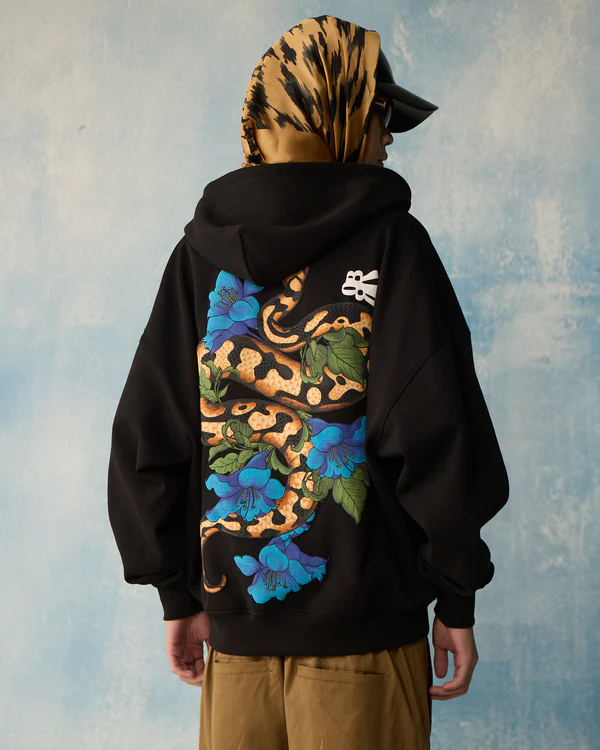
This is why many premium brands prefer embroidery for logos and branding.
2. Why Brands Choose Embroidery
Embroidery offers several advantages over traditional decoration methods.
Key Benefits
✔ Long-lasting
✔ Professional appearance
✔ Premium feel
✔ Resistant to cracking
✔ Enhanced brand value
Brand Benefits
| Benefit | Importance |
|---|---|
| Durability | Very High |
| Premium Look | Very High |
| Brand Perception | High |
| Wash Resistance | High |
Embroidery is especially popular among luxury streetwear brands.
3. Step 1: Preparing the Artwork
Every embroidery project begins with artwork.
Preferred File Formats
- AI
- EPS
- SVG
Design Considerations
Not every graphic works well for embroidery.
Ideal Embroidery Artwork
| Feature | Recommended |
|---|---|
| Bold Lines | Yes |
| Simple Shapes | Yes |
| Small Text | Avoid |
| Fine Details | Limited |
Good embroidery begins with embroidery-friendly artwork.
4. Step 2: Digitizing the Design
This is one of the most important stages.
Embroidery machines cannot read graphic files directly.
The artwork must first be converted into embroidery instructions.
What Is Digitizing?
Digitizing transforms artwork into:
- Stitch directions
- Stitch density
- Thread paths
- Color sequences
Digitizing Determines
| Factor | Impact |
|---|---|
| Stitch Quality | High |
| Production Speed | High |
| Final Appearance | Very High |
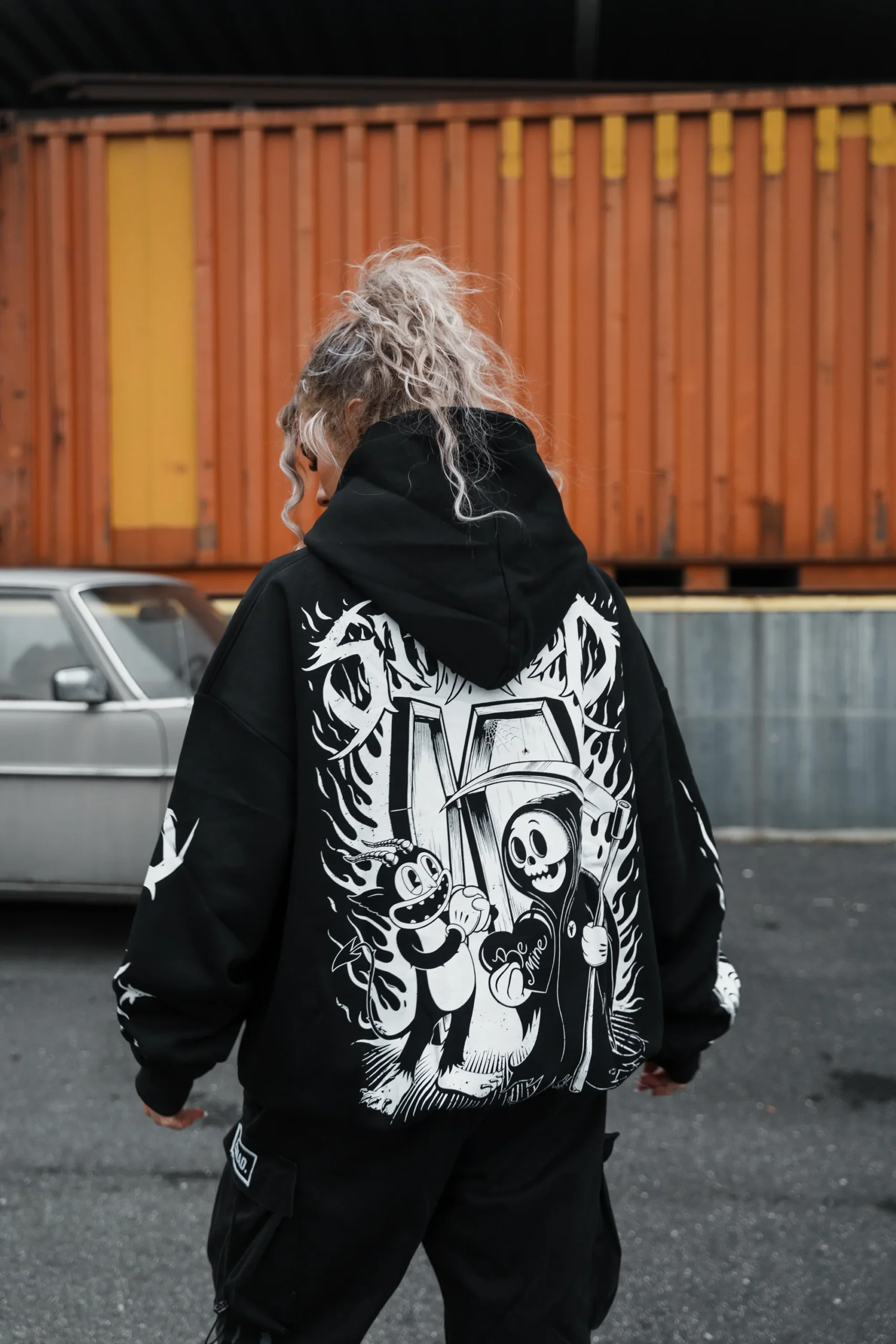
Poor digitizing often causes poor embroidery results.
5. Step 3: Choosing Threads and Materials
The next step is selecting embroidery materials.
Common Thread Types
| Thread Type | Characteristics |
|---|---|
| Polyester | Durable |
| Rayon | Glossy Finish |
| Cotton | Natural Look |
| Metallic | Decorative |
Polyester thread is the most common option for hoodies.
Why Thread Selection Matters
Thread affects:
- Appearance
- Durability
- Color fastness
- Production efficiency
Premium embroidery uses high-quality thread materials.
6. Step 4: Hoodie Preparation
Before embroidery begins, hoodies must be prepared properly.
Preparation Steps
- Fabric inspection
- Position marking
- Hoop placement
- Stabilizer application
What Is a Stabilizer?
A stabilizer is a support material placed behind the fabric.
Its purpose is to:
- Prevent distortion
- Improve stitch quality
- Maintain shape
Without proper stabilization, embroidery quality can suffer significantly.
7. Step 5: Embroidery Production Process
This is where the design is stitched onto the hoodie.
Production Workflow
- Load digitized file
- Thread machine
- Secure garment
- Start embroidery
- Monitor stitching
Industrial Embroidery Machines
Modern machines may contain:
- Multiple heads
- Multiple needles
- Automatic color changes
Production Factors
| Factor | Importance |
|---|---|
| Stitch Count | High |
| Machine Speed | Medium |
| Thread Quality | High |
| Operator Experience | High |
Complex designs can require tens of thousands of stitches.
8. Step 6: Finishing and Cleanup
Once embroidery is complete, garments move to finishing.
Finishing Tasks
- Remove stabilizers
- Trim loose threads
- Clean garment surface
- Steam and press
Final Appearance Checks
Manufacturers inspect:
- Alignment
- Stitch consistency
- Thread tension
- Overall presentation
This stage helps ensure a professional result.
9. Quality Control Standards
Embroidery requires specialized quality inspections.
QC Checklist
| Inspection Area | Required |
|---|---|
| Stitch Density | Yes |
| Logo Placement | Yes |
| Thread Tension | Yes |
| Color Accuracy | Yes |
| Fabric Damage | Yes |
Common Defects
- Thread breaks
- Puckering
- Misalignment
- Loose threads
Premium factories conduct multiple inspections throughout production.
10. Common Types of Hoodie Embroidery
Not all embroidery looks the same.
Flat Embroidery
Traditional embroidery style.
3D Puff Embroidery
Creates raised designs.
Applique Embroidery
Combines fabric panels with stitching.
Chenille Embroidery
Popular for varsity-inspired streetwear.
Comparison Table
| Type | Appearance |
|---|---|
| Flat | Clean |
| Puff | Raised |
| Applique | Layered |
| Chenille | Textured |
Each style creates a different visual effect.
11. Embroidery vs Printing
Many brands struggle to choose between embroidery and printing.
Comparison
| Feature | Embroidery | Printing |
|---|---|---|
| Texture | High | Low |
| Durability | High | Medium |
| Detail Level | Medium | High |
| Cost | Higher | Lower |
| Luxury Feel | Very High | Medium |
When to Choose Embroidery
Choose embroidery when:
- Building premium products
- Creating logo-focused designs
- Seeking long-term durability
Choose printing when:
- Producing detailed graphics
- Managing costs
- Requiring large artwork
12. FAQ
Why is embroidery more expensive than printing?
Embroidery requires digitizing, specialized machinery, thread materials, and longer production times.
Does embroidery last longer than printing?
In most cases, yes. Properly executed embroidery can last for many years.
Can large graphics be embroidered?
Yes, but larger embroidery increases stitch count and production costs.
What fabric works best for embroidery?
Heavyweight cotton fleece and French terry fabrics are excellent choices.
Can embroidered hoodies be washed normally?
Yes. Professional embroidery is highly durable when cared for properly.
Final Thoughts
Custom embroidered hoodies are far more complex than they appear.
Every embroidered design goes through:
- Artwork preparation
- Digitizing
- Thread selection
- Stabilization
- Machine embroidery
- Quality control
From my experience, embroidery remains one of the most effective ways to increase perceived value and create premium streetwear products.
When executed properly, embroidery transforms a simple hoodie into a product that feels more durable, more professional, and more memorable.
If you're developing embroidered hoodie collections, explore:
Industry resources:
Because in premium streetwear, embroidery isn't just decoration.
It's part of the product's identity.