
Artificial intelligence is reshaping the apparel industry faster than many people expected. Just a few years ago, AI was mainly used for data analysis. Today, it's helping brands design collections, predict trends, improve production efficiency, and even reduce waste.
From my experience working with clothing brands and manufacturers, AI isn't replacing designers or factories—it’s making both of them more efficient. Brands that understand how to combine AI with experienced manufacturing partners are gaining a real competitive advantage.
In this guide, I'll explain how AI is changing clothing design and production, where it adds the most value, and what apparel brands should expect over the next few years.
Table of Contents
- Quick Answer
- How AI Is Transforming Clothing Design
- How AI Improves Apparel Production
- Traditional Workflow vs AI Workflow
- Benefits for Clothing Brands
- Challenges and Limitations
- How Brands Can Use AI Successfully
- Resources
- FAQ
- Final Thoughts
Quick Answer
AI is changing clothing design and production by helping brands:
- Predict fashion trends faster
- Create design concepts more efficiently
- Reduce sampling costs
- Improve production planning
- Enhance quality control
- Forecast customer demand
The biggest advantage isn't replacing people—it's allowing brands to make better decisions while saving time and money.
How AI Is Transforming Clothing Design
Faster Trend Research
Instead of manually searching social media and fashion shows, AI can analyze thousands of images and consumer behaviors within minutes.
Brands can quickly identify:
- Popular colors
- Trending silhouettes
- Graphic styles
- Fabric preferences
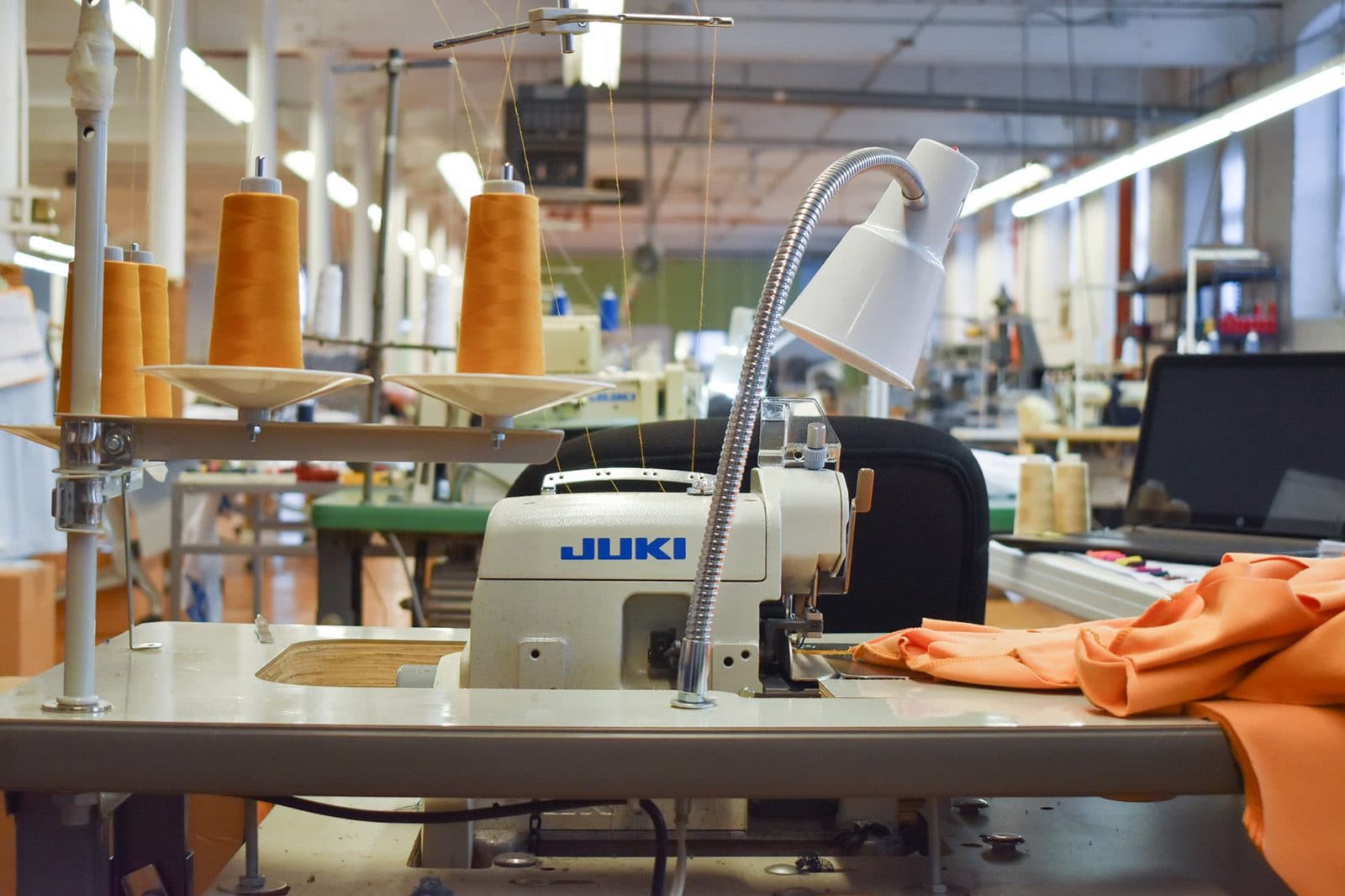
This helps designers spend more time creating instead of researching.
AI-Assisted Design Creation
Modern AI tools can generate:
- Mood boards
- Color palettes
- Graphic concepts
- Garment mockups
From my experience, AI works best as a creative assistant rather than a replacement for designers.
Digital Sampling
Many brands now create digital prototypes before making physical samples.
Advantages include:
- Faster approvals
- Lower development costs
- Fewer sample revisions
- Better communication with factories
How AI Improves Apparel Production
Smarter Production Planning
Manufacturers can use AI to optimize:
- Production schedules
- Machine utilization
- Material purchasing
- Delivery timelines
This reduces delays and improves overall efficiency.
Better Quality Inspection
AI-powered vision systems can detect:
- Fabric flaws
- Printing defects
- Stitching inconsistencies
- Color variations
This helps factories identify problems before products are shipped.
Demand Forecasting
Instead of producing based on guesswork, AI analyzes:
- Sales history
- Market trends
- Seasonal demand
- Consumer behavior
Brands can produce more accurately and avoid excess inventory.
Traditional Workflow vs AI Workflow
| Process | Traditional Method | AI-Assisted Method |
|---|---|---|
| Trend Research | Manual | Data-driven |
| Design Development | Sketches & revisions | AI-generated concepts + designer refinement |
| Sampling | Multiple physical samples | Digital-first sampling |
| Production Planning | Experience-based | Predictive scheduling |
| Quality Control | Manual inspection | AI-assisted inspection |
Benefits for Clothing Brands
Faster Product Development
AI shortens development cycles by reducing repetitive work.
Brands can launch collections faster while maintaining quality.
Lower Development Costs
Using AI reduces:
- Sampling expenses
- Design revisions
- Inventory waste
This is especially valuable for startup brands with limited budgets.
Better Decision Making
AI helps brands make smarter choices using data instead of assumptions.
Examples include:
- Choosing better-selling colors
- Ordering the right quantities
- Predicting seasonal demand
Improved Customer Experience
AI allows brands to personalize products and marketing based on customer preferences, improving both engagement and sales.
Challenges and Limitations
Although AI offers many advantages, it still has limitations.
Creativity Still Needs People
AI can generate ideas, but it cannot replace:
- Brand identity
- Original storytelling
- Design intuition
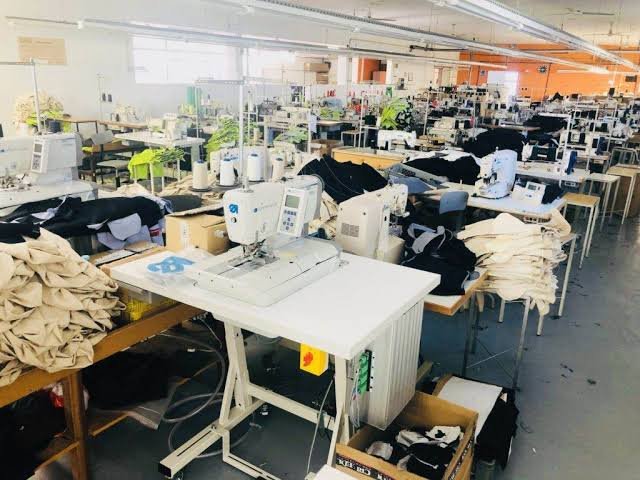
Great fashion still comes from creative people.
Physical Samples Remain Essential
No AI system can completely replace testing:
- Fabric feel
- Garment fit
- Comfort
- Construction quality
Real samples are still necessary before mass production.
Manufacturing Experience Matters
Successful production still depends on experienced factories that understand:
- Fabric behavior
- Sewing techniques
- Quality standards
- Production management
How Brands Can Use AI Successfully
From my experience, the best approach is combining AI with experienced manufacturing partners.
Use AI For:
- Trend research
- Design inspiration
- Product visualization
- Demand forecasting
- Production planning
Rely on Manufacturers For:
- Fabric sourcing
- Sample development
- Pattern making
- Quality control
- Bulk production
A professional OEM manufacturer like Fuki Apparel combines modern product development methods with experienced production teams, helping brands bring AI-assisted concepts into real, high-quality garments.
Resources
Internal Resources
External Resources
- https://www.businessoffashion.com/
- https://www.mckinsey.com/industries/retail/our-insights/state-of-fashion
- https://sourcingjournal.com/
- https://www.oeko-tex.com/
FAQ
Will AI replace fashion designers?
No. AI helps designers work faster, but creativity, storytelling, and brand vision still require human expertise.
Can small clothing brands use AI?
Yes. Many affordable AI tools now support startups with design ideas, trend analysis, and marketing.
Does AI reduce production costs?
It can reduce design, sampling, planning, and inventory costs, although manufacturing still requires skilled workers.
Are clothing factories using AI today?
Many modern factories already use AI for production scheduling, quality inspection, and inventory management.
Should every fashion brand adopt AI?
Brands should use AI where it improves efficiency while continuing to rely on experienced designers and manufacturers for product development.
Final Thoughts
AI is becoming one of the most important technologies in the apparel industry, but its real value lies in supporting people—not replacing them.
Brands that combine AI-powered design, data-driven decision making, and experienced manufacturing partners will be better positioned to launch products faster, reduce costs, and stay competitive.
If you're building a private label or streetwear brand, working with an experienced manufacturer like Fuki Apparel can help turn AI-generated ideas into premium-quality products that are ready for the market.
