
Not all hoodies are created equal.
At first glance, two hoodies may look nearly identical. But once you wear them, feel the fabric, and compare the construction, the differences become obvious.
One of the most common questions I hear from streetwear brands is:
Should we use heavyweight hoodies or standard hoodies for our collection?
The answer depends on your brand positioning, customer expectations, climate, and price point.
After working with startup streetwear labels, premium fashion brands, and private-label apparel businesses, I've noticed a clear trend:
Most premium streetwear brands have shifted toward heavyweight hoodies because consumers increasingly associate weight with quality.
However, heavier isn't always better.
In this guide, I'll break down the differences between heavyweight and standard hoodies, compare costs, comfort, durability, and branding potential, and help you choose the right option for your next collection.
Table of Contents
- 1. What Is a Heavyweight Hoodie?
- 2. What Is a Standard Hoodie?
- 3. Heavyweight vs Standard Hoodies: Quick Comparison
- 4. Fabric Weight Explained
- 5. Comfort and Wearability
- 6. Durability Comparison
- 7. Streetwear Appeal
- 8. Production Cost Differences
- 9. Which Hoodie Fits Different Brand Types?
- 10. Common Mistakes When Choosing Hoodie Weight
- 11. FAQ
- Final Thoughts
1. What Is a Heavyweight Hoodie?
A heavyweight hoodie is made using thicker, denser fabric than traditional hoodies.
Most heavyweight hoodies use:
- Heavy cotton fleece
- Heavy French terry
- Cotton-rich blends
- Premium brushed fleece
Typical Weight Range
| Hoodie Type | GSM |
|---|---|
| Heavyweight Hoodie | 350–500+ GSM |
| Premium Luxury Hoodie | 450–600 GSM |
Key Characteristics
✔ Thick feel
✔ Structured silhouette
✔ Premium appearance
✔ Better warmth
✔ More durability
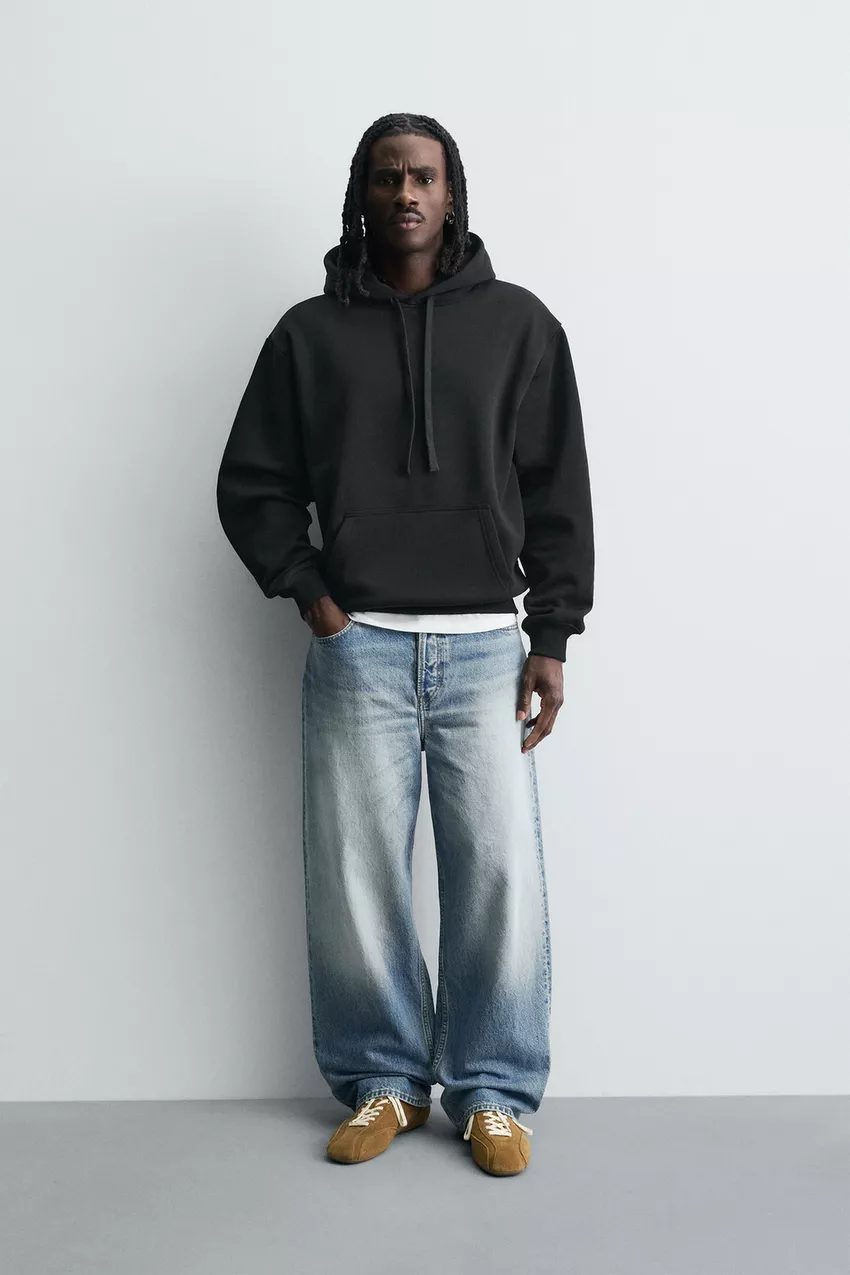
Many luxury streetwear brands intentionally use heavier fabrics to create a more substantial feel.
2. What Is a Standard Hoodie?
A standard hoodie uses lighter-weight fabric designed for everyday wear.
These hoodies are often found in:
- Promotional apparel
- Basic retail collections
- Corporate merchandise
- Entry-level fashion brands
Typical Weight Range
| Hoodie Type | GSM |
|---|---|
| Standard Hoodie | 220–320 GSM |
Key Characteristics
✔ Lightweight
✔ Lower cost
✔ Easy layering
✔ Greater flexibility
✔ Comfortable in moderate climates
Standard hoodies remain extremely popular because they are versatile and affordable.
3. Heavyweight vs Standard Hoodies: Quick Comparison
| Factor | Heavyweight Hoodie | Standard Hoodie |
|---|---|---|
| GSM | 350–600+ | 220–320 |
| Warmth | High | Moderate |
| Structure | Strong | Soft |
| Durability | Excellent | Good |
| Cost | Higher | Lower |
| Streetwear Appeal | Very High | Moderate |
| Luxury Perception | High | Moderate |
| Layering Ease | Moderate | High |
The choice depends on what image your brand wants to create.
4. Fabric Weight Explained
GSM stands for:
Grams per Square Meter
It measures fabric density.
Understanding Hoodie Weights
| GSM Range | Feel |
|---|---|
| 220–280 GSM | Lightweight |
| 280–320 GSM | Standard |
| 320–380 GSM | Midweight |
| 380–450 GSM | Heavyweight |
| 450–600 GSM | Premium Heavyweight |
What Higher GSM Usually Means
- More fabric
- Greater structure
- Better warmth
- Higher production cost
However, GSM alone doesn't determine quality.
Fabric composition and construction matter too.
5. Comfort and Wearability
Many people assume heavier means less comfortable.
That's not always true.
Heavyweight Hoodie Comfort
Heavyweight hoodies often feel:
- Secure
- Premium
- Structured
- Warm
Standard Hoodie Comfort
Standard hoodies often feel:
- Lightweight
- Flexible
- Easy to move in
- More breathable
Comfort Comparison
| Feature | Heavyweight | Standard |
|---|---|---|
| Warmth | Excellent | Moderate |
| Breathability | Moderate | Good |
| Mobility | Good | Excellent |
| Everyday Wear | Good | Excellent |
Climate should always influence your decision.
6. Durability Comparison
Fabric weight has a direct impact on longevity.
Why Heavyweight Hoodies Last Longer
Heavier fabrics generally resist:
- Stretching
- Pilling
- Shape distortion
- Fabric wear

Durability Comparison
| Area | Heavyweight | Standard |
|---|---|---|
| Shape Retention | Excellent | Good |
| Fabric Stability | Excellent | Good |
| Long-Term Wear | Excellent | Good |
| Abrasion Resistance | Excellent | Moderate |
Premium brands often choose heavyweight fabrics partly because of their lifespan.
7. Streetwear Appeal
This is where heavyweight hoodies dominate.
Modern streetwear consumers increasingly associate heavy fabrics with premium quality.
Why Heavyweight Hoodies Became Popular
- Luxury streetwear influence
- Oversized fits
- Better drape
- Premium feel
Streetwear Brand Preference
| Brand Style | Better Choice |
|---|---|
| Luxury Streetwear | Heavyweight |
| Premium Basics | Heavyweight |
| Graphic Streetwear | Heavyweight |
| Budget Apparel | Standard |
| Promotional Apparel | Standard |
Many contemporary brands intentionally market hoodie weight as a selling point.
8. Production Cost Differences
Heavier fabrics require more material.
This directly affects manufacturing cost.
Cost Drivers
- Fabric consumption
- Shipping weight
- Dyeing cost
- Material sourcing
Relative Cost Comparison
| Category | Heavyweight | Standard |
|---|---|---|
| Fabric Cost | Higher | Lower |
| Production Cost | Higher | Lower |
| Freight Cost | Higher | Lower |
| Retail Price Potential | Higher | Moderate |
Although heavyweight hoodies cost more to produce, they often support higher retail prices.
9. Which Hoodie Fits Different Brand Types?
Not every brand should automatically choose heavyweight fabrics.
Choose Heavyweight Hoodies If:
✔ You target streetwear customers
✔ You position as premium
✔ You focus on oversized fits
✔ You want higher perceived value
✔ You plan premium pricing
Choose Standard Hoodies If:
✔ Budget is critical
✔ You prioritize affordability
✔ You sell in warmer climates
✔ You focus on basics
✔ You want broader accessibility
Brand Decision Matrix
| Brand Goal | Best Choice |
|---|---|
| Luxury Streetwear | Heavyweight |
| Contemporary Fashion | Heavyweight |
| Startup Budget Brand | Standard |
| Promotional Clothing | Standard |
| Premium Private Label | Heavyweight |
10. Common Mistakes When Choosing Hoodie Weight
Mistake #1: Assuming Heavier Always Means Better
A poorly made 450 GSM hoodie can still feel cheap.
Quality depends on:
- Yarn quality
- Fabric construction
- Finishing
- Pattern making
Mistake #2: Ignoring Target Market
A heavy hoodie may be perfect for New York but less practical for tropical climates.
Mistake #3: Only Looking at Fabric Cost
Higher fabric costs can often be offset by stronger retail pricing and better customer perception.
Mistake #4: Copying Competitors Blindly
Your brand positioning should drive fabric selection—not trends alone.
Internal Resources
If you're sourcing custom hoodies or building a streetwear collection, explore:
Industry Resources
For additional apparel and fabric insights:
11. FAQ
What GSM is considered heavyweight for a hoodie?
Most manufacturers consider 350 GSM and above to be heavyweight.
Are heavyweight hoodies better quality?
Not automatically, but premium brands often use heavyweight fabrics because they create a more luxurious feel.
Why are streetwear hoodies getting heavier?
Consumers increasingly associate heavier fabrics with premium quality and durability.
Do heavyweight hoodies shrink more?
Not necessarily. Shrinkage depends more on fabric treatment and finishing than weight alone.
Which hoodie is better for startups?
It depends on your market. Premium streetwear brands usually benefit from heavyweight hoodies, while budget-focused brands may prefer standard weights.
Final Thoughts
Heavyweight and standard hoodies both have a place in apparel manufacturing.
Standard hoodies offer:
- Lower costs
- Better versatility
- Greater accessibility
Heavyweight hoodies offer:
- Premium perception
- Better structure
- Stronger durability
- Greater streetwear appeal
From my experience, brands targeting the modern streetwear market often achieve stronger customer response with heavyweight hoodies because they align with current consumer expectations.
That doesn't mean every hoodie should be 500 GSM.
The smartest brands choose the weight that supports their positioning, audience, and long-term growth strategy.
If you're developing a hoodie collection, start with your customer—not the fabric weight—and work backward from there.