
Choosing the right fabric is one of the biggest decisions when developing a clothing collection. Many brands ask me the same question: Should we use heavyweight cotton or standard cotton?
From my experience working with streetwear brands and OEM manufacturers, there isn't a universal answer. The best choice depends on your target customers, product positioning, and budget.
Heavyweight cotton creates a premium, structured look, while standard cotton offers versatility, comfort, and lower production costs. Understanding the differences can help your brand make smarter sourcing decisions.
In this guide, I'll compare heavyweight cotton and standard cotton so you can confidently choose the right fabric for your next collection.
Table of Contents
- Quick Answer
- What Is Heavyweight Cotton?
- What Is Standard Cotton?
- Heavyweight Cotton vs Standard Cotton
- Which Fabric Fits Different Brand Types?
- How to Choose the Right Cotton Weight
- Resources
- FAQ
- Final Thoughts
Quick Answer
Neither fabric is universally better.
Generally:
- Heavyweight cotton is ideal for premium streetwear, oversized hoodies, and luxury basics.
- Standard cotton is better for everyday apparel, promotional products, and lightweight collections.
Your decision should be based on product positioning rather than simply choosing the heavier fabric.
What Is Heavyweight Cotton?
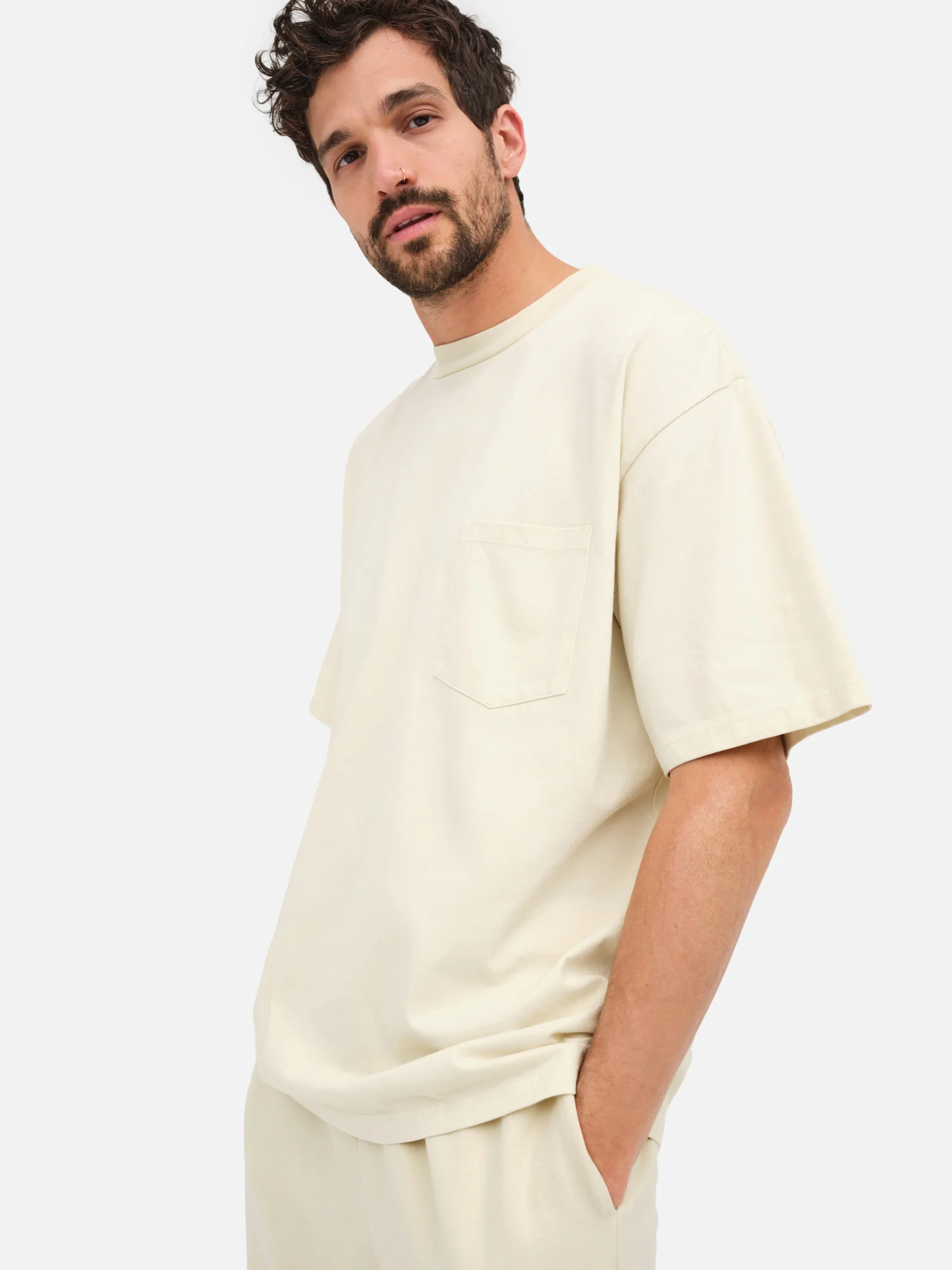
Heavyweight cotton usually refers to fabrics weighing 240 GSM or more, with premium hoodies often using 380–500 GSM fleece.
Characteristics include:
- Thick texture
- Excellent durability
- Structured silhouette
- Premium appearance
- Better shape retention
From my experience, heavyweight cotton has become increasingly popular among premium streetwear brands because customers immediately notice its substantial feel.
Best Applications
Heavyweight cotton works especially well for:
- Oversized hoodies
- Premium sweatshirts
- Luxury T-shirts
- Vintage-washed garments
What Is Standard Cotton?
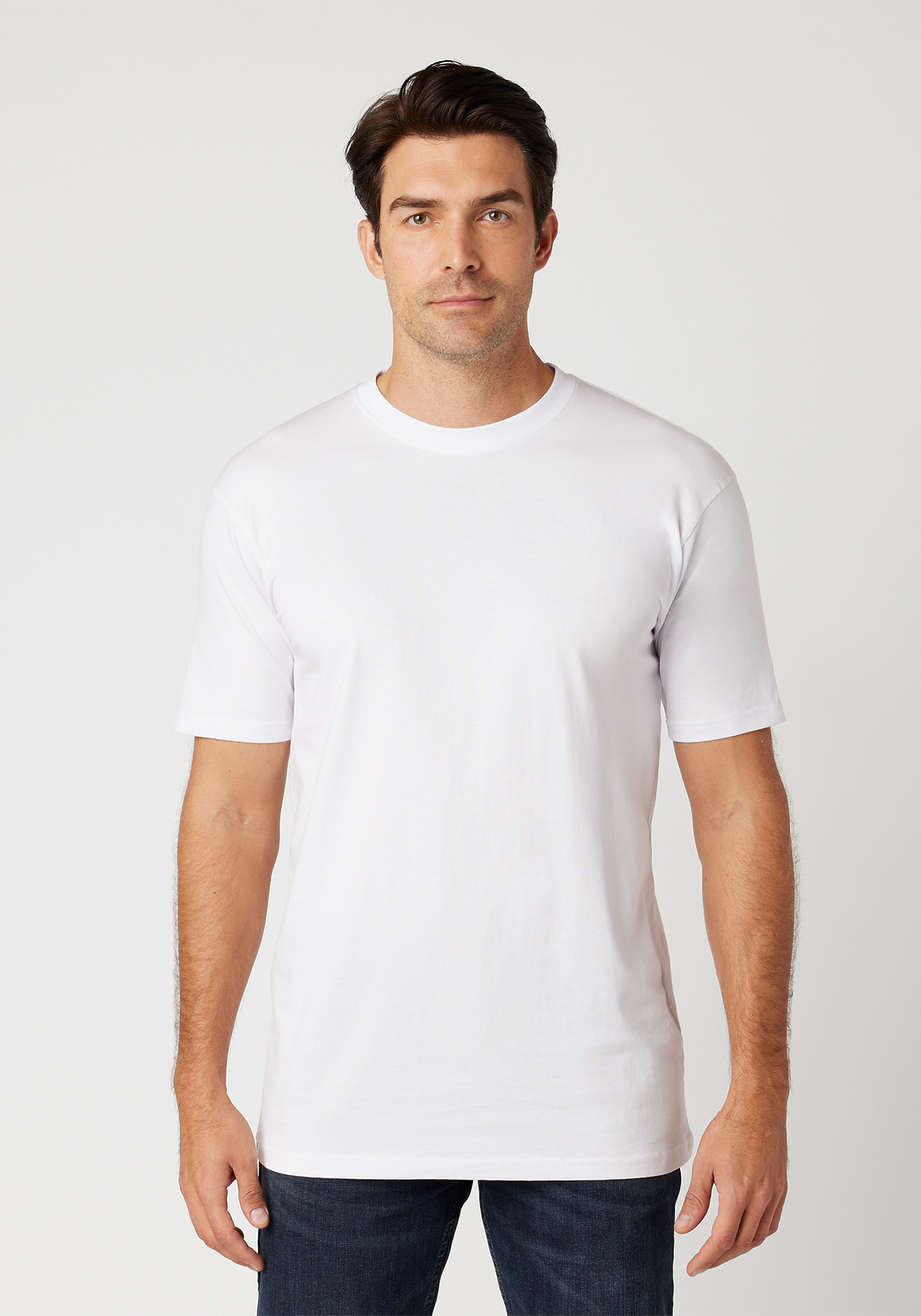
Standard cotton generally ranges from 160–220 GSM, depending on the garment type.
It offers:
- Lightweight comfort
- Better breathability
- Lower manufacturing cost
- Easier everyday wear
Many commercial apparel brands still rely on standard cotton because it provides excellent value for mass-market products.
Best Applications
Standard cotton is commonly used for:
- Basic T-shirts
- Polo shirts
- Lightweight hoodies
- Corporate apparel
- Promotional clothing
Heavyweight Cotton vs Standard Cotton
| Feature | Heavyweight Cotton | Standard Cotton |
|---|---|---|
| Typical GSM | 240–500+ | 160–220 |
| Comfort | Warm and structured | Light and breathable |
| Durability | Excellent | Good |
| Premium Appearance | Excellent | Moderate |
| Production Cost | Higher | Lower |
| Best For | Premium brands | Everyday collections |
Which Fabric Fits Different Brand Types?
Different brands benefit from different fabric strategies.
Premium Streetwear Brands
If your goal is premium positioning, heavyweight cotton is often the better option.
Benefits include:
- Luxury feel
- Better drape
- Higher perceived value
- Stronger customer satisfaction
Startup Clothing Brands
If you're launching your first collection, standard cotton may help you:
- Lower production costs
- Test the market
- Reduce inventory risk
Many successful brands later upgrade to heavyweight fabrics after validating demand.
Lifestyle Brands
Some brands combine both options.
For example:
- Heavyweight hoodies
- Standard-weight T-shirts
- Midweight sweatshirts
This approach balances quality with pricing flexibility.
How to Choose the Right Cotton Weight
From my experience, ask yourself these questions before selecting fabric.
What Is Your Target Retail Price?
Higher retail pricing often supports heavier premium fabrics.
Who Is Your Customer?
If your audience values:
- Oversized fits
- Streetwear
- Premium quality
Heavyweight cotton is usually the stronger choice.
If they prioritize:
- Everyday comfort
- Lightweight clothing
- Affordable pricing
Standard cotton may be more appropriate.
What Is Your Brand Positioning?
Luxury brands usually focus on:
- Better fabrics
- Superior construction
- Long-lasting garments
Mass-market brands often prioritize production efficiency and accessibility.
Working with an experienced OEM manufacturer can simplify this decision. For example, Fuki Apparel helps clothing brands choose the most suitable cotton fabrics based on product goals, target pricing, and customer expectations.
Resources
Internal Resources
External Resources
- https://bettercotton.org/
- https://www.oeko-tex.com/
- https://www.businessoffashion.com/
- https://sourcingjournal.com/
FAQ
Is heavyweight cotton always better?
No. It offers a more premium feel, but standard cotton may be the better choice for lightweight, affordable, or everyday products.
What GSM is considered heavyweight?
Most manufacturers classify 240 GSM and above as heavyweight, while premium hoodies often use 380–500 GSM fabrics.
Why do luxury brands prefer heavyweight cotton?
It provides better structure, durability, and a premium hand feel that customers associate with higher-quality garments.
Is heavyweight cotton more durable?
Generally yes. Thicker fabrics tend to resist wear better and maintain their shape over time.
Can one clothing brand use both fabrics?
Absolutely. Many successful brands use heavyweight cotton for premium products and standard cotton for entry-level collections.
Final Thoughts
From my experience, choosing between heavyweight cotton and standard cotton isn't about finding the "best" fabric—it's about finding the right fabric for your brand.
Heavyweight cotton delivers a premium appearance, exceptional durability, and stronger perceived value.
Standard cotton offers comfort, versatility, and cost efficiency.
The most successful brands understand their customers first and then select fabrics that match their positioning.
If you're developing a custom apparel collection, partnering with an experienced OEM manufacturer like Fuki Apparel can help you select the ideal cotton weight and create garments that align with your brand vision.
