
For many clothing brands, manufacturing problems usually come from one thing:
👉 Poor workflow.
Without a clear production system, brands often experience:
- Delayed timelines
- Miscommunication
- Inconsistent products
- Sampling issues
- Bulk production mistakes
That’s why workflow matters just as much as product quality.
So what is it actually like to work with Fuki Apparel from start to finish?
Let’s walk through the process and what brands can realistically expect.
Table of Contents
- Quick Answer
- Why Manufacturing Workflow Matters
- Overview of Fuki Apparel
- Step-by-Step Workflow Breakdown
- How Communication Is Managed
- Sampling & Bulk Production Workflow
- Quality Control Workflow
- What Brands Usually Like About the Workflow
- Potential Workflow Limitations
- FAQs
- Conclusion
- Internal Reference
Quick Answer
Fuki Apparel uses a structured and brand-focused workflow that includes design review, sampling, bulk production, quality control, and shipping coordination, helping brands achieve more consistent and scalable production.

Why Manufacturing Workflow Matters
A good workflow improves:
- Production accuracy
- Communication speed
- Product consistency
- Delivery reliability
Without structure, manufacturing becomes unpredictable.
👉 Workflow directly affects how smoothly a clothing brand operates.
Overview of Fuki Apparel
FukiApparel is a streetwear-focused manufacturer built for startup and growth-stage brands that need:
- Full customization
- Structured production systems
- Lower MOQ
- Long-term scalability
Key production features include:
- MOQ around 100 pcs
- Sampling in 7–10 days
- Bulk production in 25–35 days
- Full customization (fabric, fit, trims, packaging)
👉 The workflow is designed to balance flexibility with production control.
Step-by-Step Workflow Breakdown
Step 1: Initial Consultation
The process starts with:
- Product ideas
- Design references
- Quantity discussion
- Fabric direction
👉 This helps define project scope early.
Step 2: Tech Pack & Design Review
Brands provide:
- Measurements
- Artwork
- Print placements
- Construction details
👉 Clear specifications reduce future production issues.
Step 3: Fabric & Trim Confirmation
This stage includes:
- Fabric sourcing
- Label selection
- Packaging planning
- Color confirmation
👉 Material consistency is critical for repeat production.
Step 4: Sampling
Samples are developed for approval.
Brands review:
- Fit
- Printing quality
- Wash effects
- Construction details
Typical sample timeline:
- Around 7–10 days
👉 Sampling helps refine the final product before bulk manufacturing.
Step 5: Bulk Production
After sample approval:
- Fabric cutting
- Sewing
- Printing or embroidery
- Finishing
- Final assembly
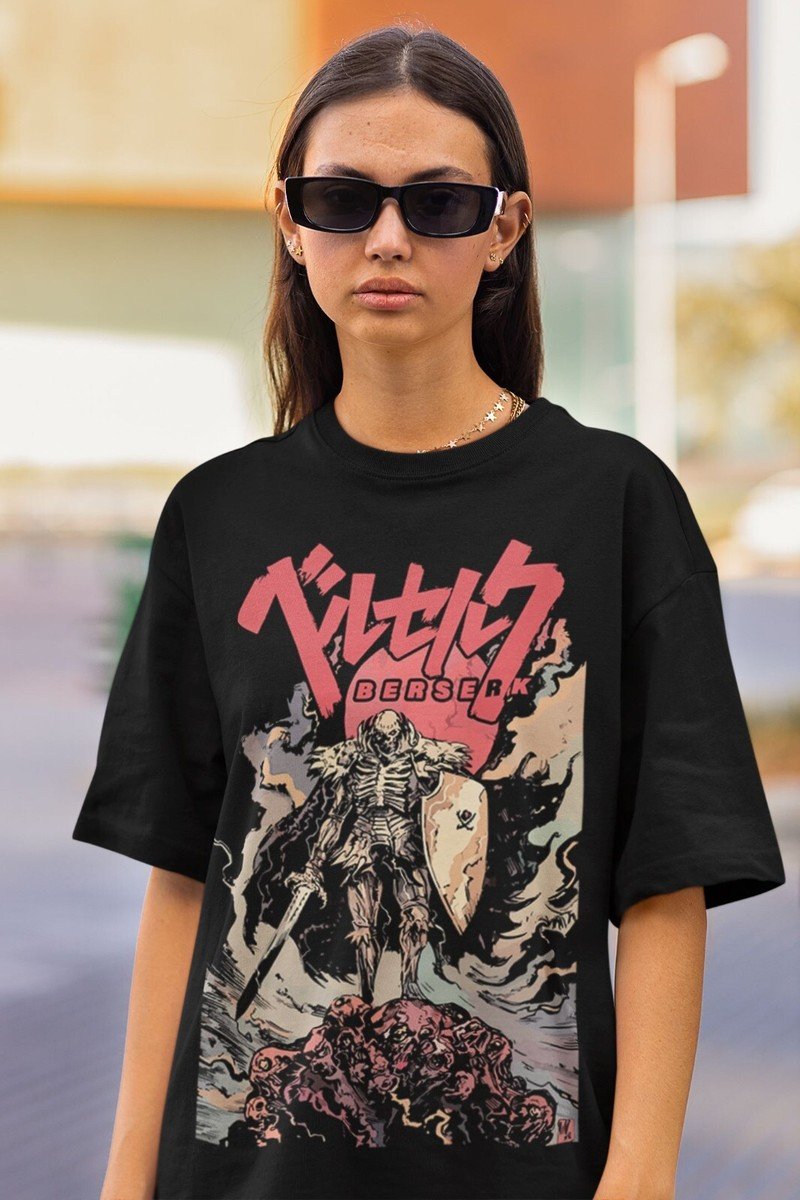
Typical production timeline:
- Around 25–35 days
👉 Organized production stages improve consistency.
Step 6: Final QC & Shipping
Before shipping:
- Garments are inspected
- Packaging is verified
- Quantities are checked
👉 Final QC helps reduce post-production problems.
How Communication Is Managed
One of the biggest workflow advantages is communication.
Fuki Apparel typically provides:
- Production updates
- Sample feedback discussions
- Revision coordination
- Timeline confirmations
👉 Faster communication reduces delays and misunderstandings.
Sampling & Bulk Production Workflow
The workflow is designed to connect samples directly to bulk production.
This includes:
- Approved sample references
- Structured production planning
- Consistent material sourcing
👉 Better workflow improves sample-to-bulk consistency.
Quality Control Workflow
Quality control is integrated throughout the process.
Fabric Inspection
👉 Materials checked before production
In-Line QC
👉 Issues identified during manufacturing
Final Inspection
👉 Finished garments reviewed before shipment
👉 Multi-stage QC helps reduce defect rates and improve consistency.
What Brands Usually Like About the Workflow
1. More Organized Production
👉 Easier planning and coordination
2. Better Product Consistency
👉 Reduced variation between orders
3. Flexible Customization
👉 Better support for unique branding
4. Startup-Friendly Structure
👉 Lower MOQ and manageable development process
👉 These factors help brands scale more smoothly.
Potential Workflow Limitations
Fuki Apparel may not be ideal for brands that:
- Need ultra-fast fast-fashion production
- Require massive-scale manufacturing immediately
- Only prioritize lowest-cost production
👉 The workflow prioritizes structure and consistency over extreme speed.
FAQs
How long does the workflow usually take?
Sampling is typically 7–10 days, while bulk production usually takes 25–35 days.
Is the workflow suitable for startups?
Yes, especially for brands launching custom collections.
Does Fuki Apparel handle full customization?
Yes, including fabrics, labels, packaging, and garment construction.
Why is workflow important in manufacturing?
Because strong workflows reduce production mistakes and improve consistency.
Conclusion
So, what can brands expect from the Fuki Apparel workflow?
👉 A structured, scalable, and customization-focused production system.
From design review to final shipping, the workflow is built to help brands:
- Reduce production risk
- Improve product consistency
- Scale more efficiently
- Maintain stronger brand identity
And for modern streetwear brands,
those advantages become more valuable over time.
Internal Reference
👉 Build your brand with a structured production partner: FukiApparel
Follow us for real production insights and updates:
- TikTok: Fuki Streetwear
- YouTube: Fuki Apparel
- Instagram: Fuki Streetwear
