
When launching a clothing brand, many founders compare two common options:
👉 Custom manufacturers
👉 Wholesale clothing suppliers
At first, wholesale suppliers may seem easier because products are already made and ready to sell.
But over time, many brands realize that wholesale and custom production support very different business models.
So the real question is:
How does Fuki Apparel compare to wholesale clothing suppliers?
And which option is actually better for long-term brand growth?
Let’s break it down honestly.
Table of Contents
- Quick Answer
- What Are Wholesale Clothing Suppliers?
- Overview of Fuki Apparel
- Fuki Apparel vs Wholesale Suppliers
- Customization & Brand Identity
- Quality Control & Product Consistency
- Scalability & Long-Term Growth
- Cost Comparison
- Who Should Choose Wholesale Suppliers?
- Who Should Choose Fuki Apparel?
- FAQs
- Conclusion
- Internal Reference
Quick Answer
Fuki Apparel is generally better for brands that want customization, stronger brand identity, scalable production systems, and long-term product consistency, while wholesale suppliers are more suitable for quick low-investment product reselling.
What Are Wholesale Clothing Suppliers?
Wholesale clothing suppliers usually sell:
- Pre-made garments
- Standardized products
- Ready-to-ship inventory
Brands typically buy products in bulk and:
- Add their logo
- Resell existing styles
- Launch quickly with lower upfront development costs
👉 Wholesale is often faster but offers limited customization.
Overview of Fuki Apparel
FukiApparel is a streetwear-focused manufacturer designed for startup and growth-stage clothing brands.
Key production features include:
- MOQ around 100 pcs
- Sampling in 7–10 days
- Bulk production in 25–35 days
- Full customization support
👉 The production model focuses on helping brands build unique products and scalable collections.
Fuki Apparel vs Wholesale Suppliers
| Factor | Fuki Apparel | Wholesale Suppliers |
|---|---|---|
| Product Type | Fully custom | Pre-made |
| Customization | Advanced | Limited |
| MOQ | Low | Often flexible |
| Brand Identity | Strong | Weaker |
| Product Consistency | Structured | Depends on supplier |
| Scalability | High | Limited for unique branding |
| Development Time | Longer | Faster |
👉 Wholesale suppliers prioritize speed.
👉 Fuki Apparel focuses more on brand-building and long-term scalability.
Customization & Brand Identity
One of the biggest differences is product identity.
Fuki Apparel supports:
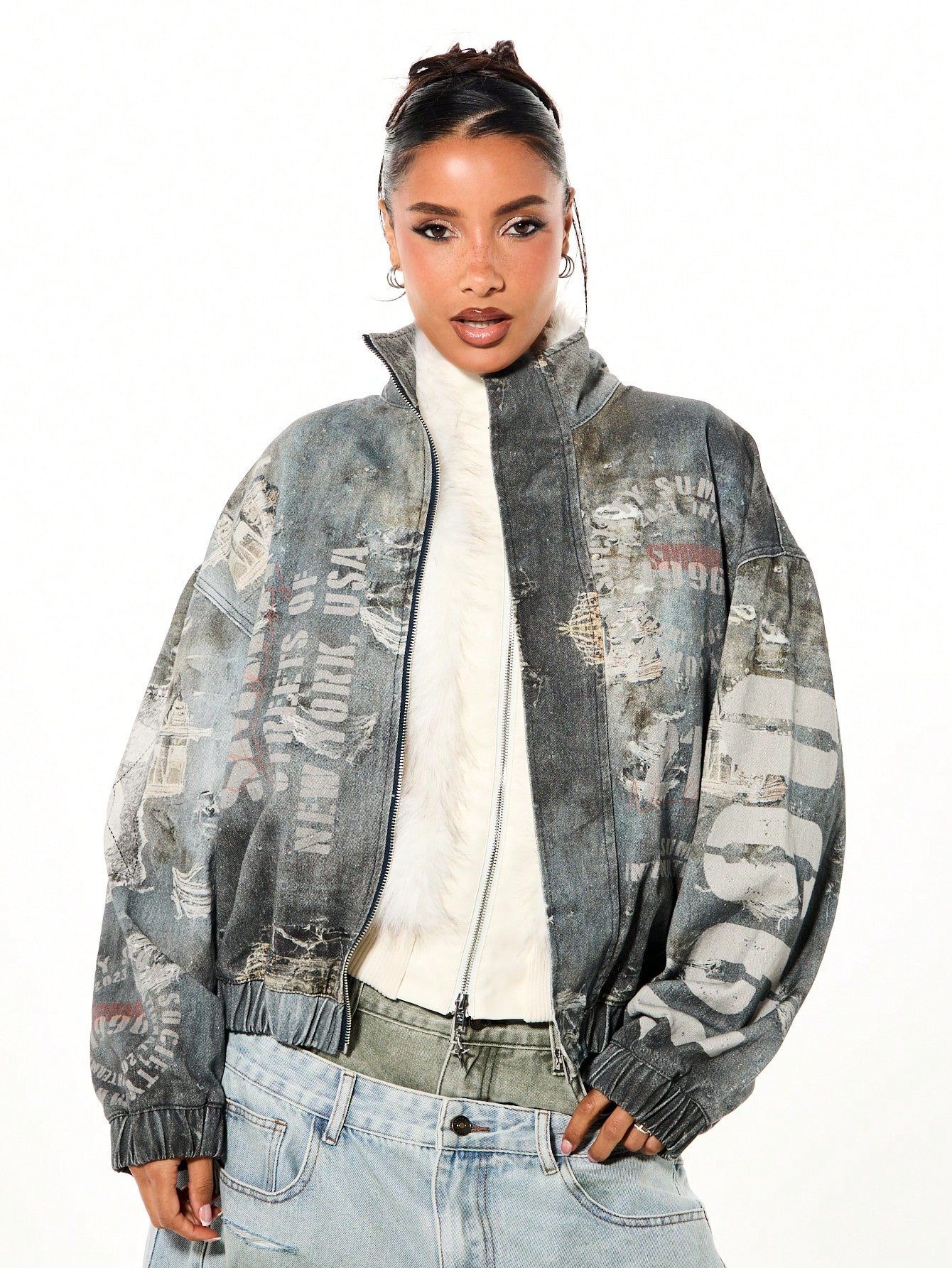
- Oversized fits
- Heavyweight fabrics
- Puff printing
- Embroidery
- Vintage washes
- Custom labels and packaging
👉 This allows brands to create more unique collections.
Wholesale Suppliers Usually Offer Limited Customization
Most wholesale suppliers provide:
- Standard fits
- Existing products
- Basic logo application
👉 Many brands may end up selling very similar products.

Quality Control & Product Consistency
Fuki Apparel uses:
- Sample-first production
- Structured workflows
- Multi-stage QC systems
👉 These systems help improve repeat production consistency.
Wholesale Product Quality May Vary
Because wholesale suppliers source pre-made products, brands often have less control over:
- Fabric quality
- Sizing consistency
- Construction details
👉 Product variation can become harder to manage long term.
Scalability & Long-Term Growth
As brands grow, they often need:
- Stronger brand identity
- More consistent collections
- Better customer retention
- Scalable production systems
👉 Custom manufacturing becomes more important over time.
Fuki Apparel is structured to support:
- Repeat production
- Ongoing collection development
- Brand-focused product customization
Cost Comparison
Wholesale Suppliers
Advantages:
- Lower upfront development costs
- Faster launch speed
- Smaller initial investment
Limitations:
- Lower product uniqueness
- Harder brand differentiation
Fuki Apparel
Advantages:
- Better customization
- Stronger brand identity
- Higher long-term scalability
Limitations:
- Slightly higher development cost
- Longer production timeline compared to ready-stock wholesale products
👉 Long-term value often depends on brand strategy rather than lowest upfront cost.
Who Should Choose Wholesale Suppliers?
Wholesale suppliers may work best for:
1. Quick-Test Brands
👉 Want fast product launches
2. Low-Investment Startups
👉 Prioritize minimal development costs
3. Reselling Businesses
👉 Focus mainly on fast inventory turnover
Who Should Choose Fuki Apparel?
Fuki Apparel is especially suitable for:
1. Streetwear Brands
👉 Need strong product identity
2. DTC Fashion Brands
👉 Require consistent quality and branding
3. Growth-Focused Startups
👉 Need scalable manufacturing systems
4. Long-Term Clothing Brands
👉 Want unique collections and repeat production consistency
FAQs
Is wholesale clothing cheaper?
Usually yes, because products are already developed.
Why do brands choose custom manufacturing instead?
Because custom production creates stronger brand identity and differentiation.
Is Fuki Apparel good for startup brands?
Yes, especially for startups focused on long-term growth.
Which option is better for scaling?
Custom manufacturing is generally better for long-term scalability.
Conclusion
So, which is better — Fuki Apparel or wholesale clothing suppliers?
👉 It depends on your brand goals.
If your priority is:
- Fast product launches
- Minimal development work
- Simple resale models
then wholesale suppliers may work.
But if your goal is to build:
- Stronger brand identity
- More unique collections
- Better long-term scalability
- More consistent production quality
👉 Fuki Apparel is usually the stronger long-term manufacturing partner.
Internal Reference
👉 Build your brand with a scalable production partner: FukiApparel
Follow us for real production insights and updates:
- TikTok: Fuki Streetwear
- YouTube: Fuki Apparel
- Instagram: Fuki Streetwear
