
For clothing brands, choosing the right manufacturer can shape everything from product quality to long-term growth.
Many brands today compare:
👉 Flexible modern manufacturers like Fuki Apparel
👉 Traditional clothing manufacturers with older production systems
At first glance, both seem capable of producing garments.
But the real difference is in how they support modern brands.
So the question becomes:
Which one is actually better for today’s clothing businesses?
Table of Contents
- Quick Answer
- What Are Traditional Clothing Manufacturers?
- Overview of Fuki Apparel
- Major Differences Explained
- Production System Comparison
- Customization & Brand Development
- Scalability & Long-Term Growth
- Who Should Choose Each Option
- FAQs
- Conclusion
- Internal Reference
Quick Answer
Fuki Apparel is generally better for modern startup and growth-stage clothing brands that need customization, flexibility, and scalable production, while traditional clothing manufacturers are better suited for high-volume standardized manufacturing.
What Are Traditional Clothing Manufacturers?
Traditional clothing manufacturers usually focus on:
- Large-scale production
- Standardized garment construction
- Long-established factory systems
- High-volume efficiency
They often work with:
- Large retail companies
- Wholesale buyers
- Mass-market apparel brands
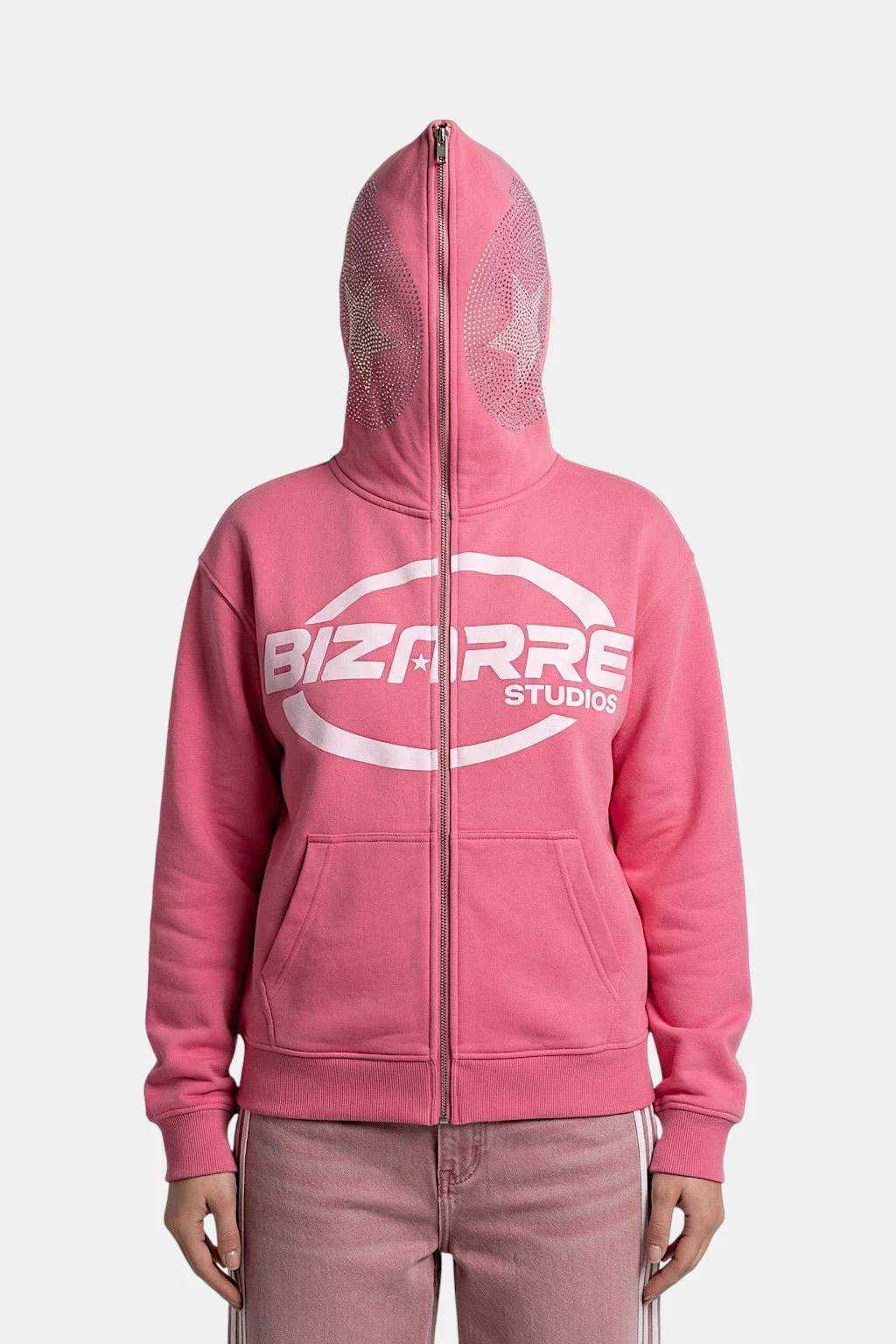
👉 Their biggest strength is production capacity and operational efficiency.
Overview of Fuki Apparel
FukiApparel is a streetwear-focused manufacturer designed for brands that need:
- Flexible customization
- Structured production systems
- Scalable growth support
Key features include:
- MOQ around 100 pcs
- Full customization (fabric, fit, trims, packaging)
- Sampling in 7–10 days
- Bulk production in 25–35 days
👉 Built for modern brands that prioritize identity and flexibility.
Major Differences Explained
1. Production Flexibility
- Fuki Apparel: Flexible workflows for custom products
- Traditional Manufacturers: More rigid and standardized systems
👉 Important for brands testing new styles frequently.
2. MOQ Requirements
- Fuki Apparel: Lower MOQ (~100 pcs)
- Traditional Manufacturers: Often require larger orders
👉 Lower MOQ reduces startup risk.
3. Customization Capability
Fuki Apparel supports:
- Custom fabrics
- Brand labels
- Special washes and prints
- Packaging customization
Traditional manufacturers usually focus more on:
- Standardized production efficiency
👉 Modern streetwear brands often need stronger customization support.
4. Communication Style
- Fuki Apparel: More direct and collaborative
- Traditional Manufacturers: More process-heavy communication
👉 Faster communication improves development speed.
5. Production Scale
- Fuki Apparel: Small-to-mid scale production
- Traditional Manufacturers: Large-scale mass production
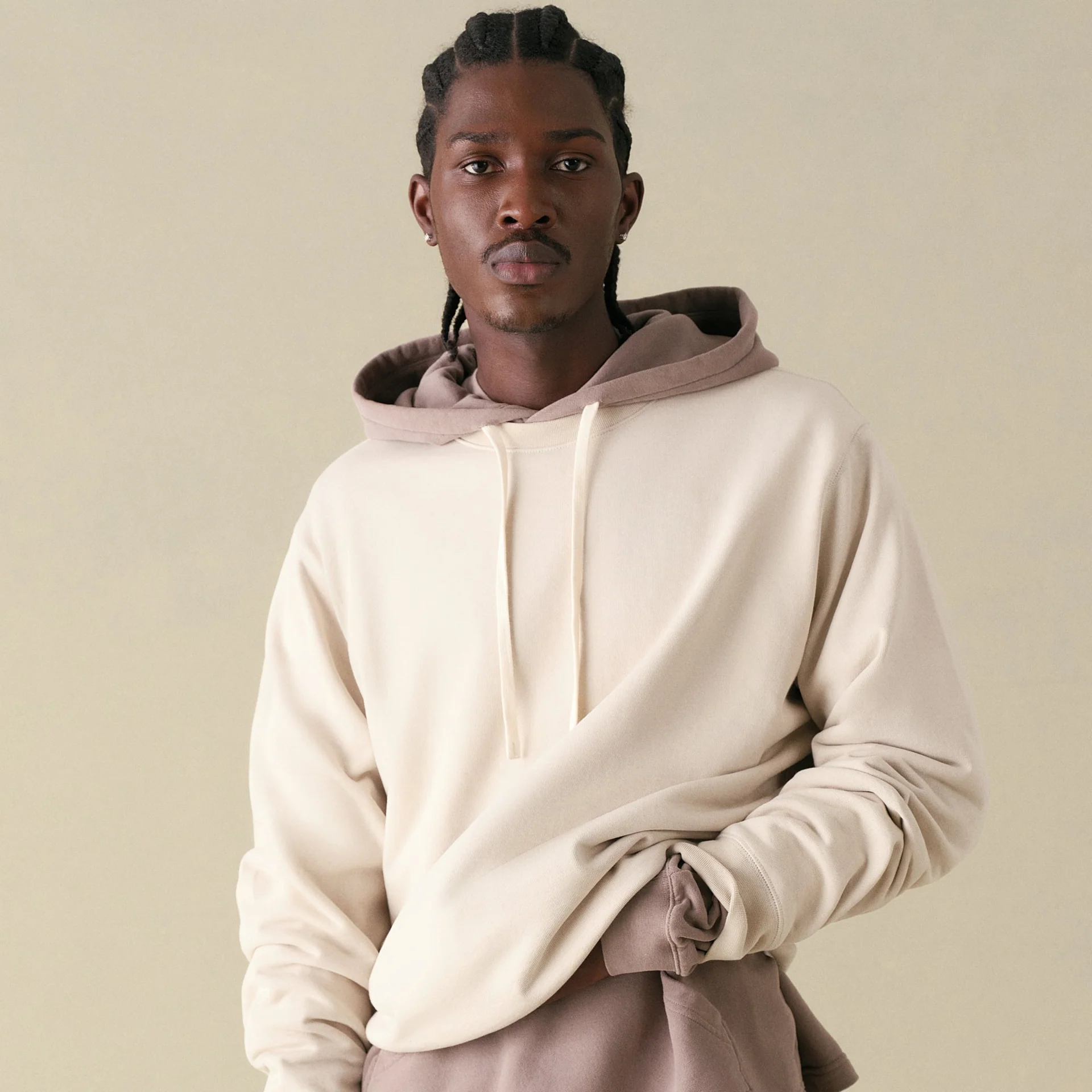
👉 Different systems for different business models.
Production System Comparison
| Factor | Fuki Apparel | Traditional Manufacturers |
|---|---|---|
| MOQ | Low–Medium | Medium–High |
| Flexibility | High | Medium |
| Production Structure | Structured & adaptive | Standardized |
| Customization | Advanced | Moderate |
| Scalability | Strong | Very High |
| Speed of Changes | Faster | Slower |
👉 Fuki Apparel focuses more on brand adaptability, while traditional manufacturers focus on mass efficiency.
Customization & Brand Development
One of the biggest differences is brand support.
Fuki Apparel
Best for:
- Streetwear brands
- DTC brands
- Startup labels
- Fashion-focused collections
👉 Strong support for product identity.
Traditional Manufacturers
Best for:
- Uniform products
- Basic apparel lines
- Large repeat production
👉 Better for standardized manufacturing.
Scalability & Long-Term Growth
Fuki Apparel
Strong for:
- Gradual brand scaling
- Repeat collections
- Building long-term product consistency
Traditional Manufacturers
Strong for:
- Very high-volume production
- Mass-market expansion
- Cost efficiency at scale
👉 Many modern brands start with flexible manufacturers before moving into massive production systems later.
Who Should Choose Each Option
Choose Fuki Apparel if you:
- Need strong customization
- Want lower MOQ
- Care about branding and identity
- Plan gradual growth
Choose Traditional Manufacturers if you:
- Need massive production volume
- Prioritize lowest unit cost at scale
- Produce standardized products
👉 Most startup and modern streetwear brands fit better with Fuki Apparel’s model.
FAQs
Is Fuki Apparel a traditional manufacturer?
No, it operates more like a flexible modern production partner.
Which option is more affordable?
Traditional manufacturers become cheaper at very high volume.
Which is better for startups?
Fuki Apparel, due to lower MOQ and customization support.
Which is better for scaling?
Depends on the scale — Fuki Apparel for growth-stage brands, traditional factories for mass production.
Conclusion
So, Fuki Apparel vs traditional clothing manufacturers — which is better?
👉 Traditional manufacturers dominate in mass-scale efficiency.
👉 Fuki Apparel performs better for brands that need:
- Flexibility
- Customization
- Lower MOQ
- Structured brand-focused production
In today’s market, many brands don’t just want products.
👉 They want manufacturing partners that help them build a recognizable brand over time.
Internal Reference
👉 Build your brand with a flexible production partner: FukiApparel
Follow us for real production insights and updates:
- TikTok: Fuki Streetwear
- YouTube: Fuki Apparel
- Instagram: Fuki Streetwear
