
For new fashion brands, choosing the right manufacturer is one of the most important early decisions.
And many startups face the same comparison:
👉 Should you work with a specialized manufacturer like Fuki Apparel?
👉 Or choose a smaller startup-focused clothing factory instead?
At first glance, smaller factories may seem more affordable or flexible.
But manufacturing decisions affect much more than initial production cost.
They also impact:
- Product quality
- Brand reputation
- Scalability
- Customer experience
- Long-term growth
So let’s compare them honestly.
Table of Contents
- Quick Answer
- What Startup Brands Usually Need
- Overview of Fuki Apparel
- What Are Startup Clothing Manufacturers?
- Fuki Apparel vs Startup Manufacturers
- Customization & Product Development
- Quality Control & Production Stability
- Scalability & Long-Term Growth
- Who Should Choose Fuki Apparel?
- Potential Limitations
- FAQs
- Conclusion
- Internal Reference
Quick Answer
Fuki Apparel is often a better choice for brands that want stronger customization, more structured production systems, and better long-term scalability, while smaller startup manufacturers may appeal to brands focused only on ultra-low initial costs.
What Startup Brands Usually Need
Most startup clothing brands look for:
- Lower MOQ
- Flexible production
- Affordable pricing
- Good communication
- Strong customization
But long-term growth also requires:
- Product consistency
- Reliable workflows
- Repeat production stability

👉 Manufacturing becomes more important as brands scale.
Overview of Fuki Apparel
FukiApparel is a streetwear-focused manufacturer built for startup and growth-stage brands.
Key production features include:
- MOQ around 100 pcs
- Sampling in 7–10 days
- Bulk production in 25–35 days
- Full customization support
👉 The system is designed to support scalable apparel production.
What Are Startup Clothing Manufacturers?
Startup clothing manufacturers are usually smaller factories focused on:
- Small order quantities
- Basic customization
- Entry-level production
Some may offer:
- Very low MOQ
- Lower upfront pricing
- Simpler production systems
👉 But production consistency and scalability may vary significantly.
Fuki Apparel vs Startup Manufacturers
| Factor | Fuki Apparel | Smaller Startup Manufacturers |
|---|---|---|
| MOQ | Low | Very low |
| Customization | Advanced | Often limited |
| QC Systems | Structured | Varies heavily |
| Production Stability | Strong | Inconsistent sometimes |
| Scalability | High | Limited |
| Workflow Organization | Structured | Often simpler |
| Pricing | Mid-range | Lower |
👉 Startup factories may reduce cost, while Fuki Apparel focuses more on balanced long-term production value.
Customization & Product Development
Modern streetwear brands need strong product identity.
Fuki Apparel supports:
- Oversized fits
- Heavyweight fabrics
- Puff printing
- Embroidery
- Vintage washes
- Custom packaging
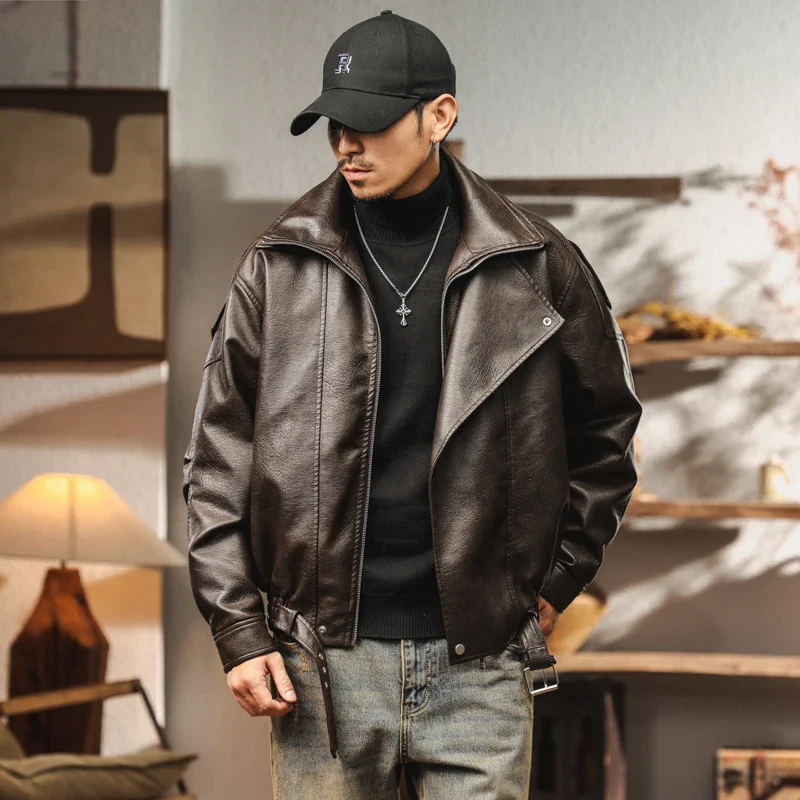
👉 Stronger customization helps brands stand out more effectively.
Smaller Factories Often Focus on Simpler Production
Many smaller startup manufacturers specialize in:
- Basic garments
- Standard fits
- Simpler printing
👉 Advanced customization may be harder to maintain consistently.
Quality Control & Production Stability
One of the biggest differences is production structure.
Fuki Apparel uses:
- Sample-first production
- Multi-stage quality control
- Organized workflow systems
👉 These systems help improve repeat production consistency.
Smaller Factories May Have Limited QC Systems
This can sometimes create:
- Inconsistent sizing
- Fabric variation
- Printing issues
- Longer revision cycles
👉 Production problems often increase as order volume grows.
Scalability & Long-Term Growth
Startup brands eventually need:
- Faster repeat production
- Better operational systems
- More stable workflows
- Consistent product quality
👉 Scaling becomes difficult without structured manufacturing systems.
Fuki Apparel is designed to support:
- Repeat collections
- Growing order quantities
- Long-term production partnerships
Who Should Choose Fuki Apparel?
Fuki Apparel is especially suitable for:
1. Streetwear Brands
👉 Need strong customization and branding
2. DTC Fashion Brands
👉 Product consistency directly affects reviews
3. Growth-Focused Startups
👉 Need scalable manufacturing systems
4. Brands Building Long-Term Collections
👉 Require repeat production consistency
Potential Limitations
Fuki Apparel may not be ideal if your brand:
- Only prioritizes ultra-low pricing
- Needs very small test runs only
- Requires luxury couture-level craftsmanship
👉 The system is optimized for scalable modern apparel production.
FAQs
Is Fuki Apparel good for startups?
Yes, especially for brands focused on long-term growth and customization.
Are smaller factories cheaper?
Usually yes, but they may have weaker production systems.
Why does scalability matter?
Because growing brands need consistent repeat production.
Is customization better with Fuki Apparel?
Generally yes, especially for streetwear-focused products.
Conclusion
So, which is better — Fuki Apparel or smaller startup clothing manufacturers?
👉 It depends on your brand goals.
If your focus is only:
- Lowest upfront pricing
- Very small production runs
then smaller factories may work temporarily.
But if your brand needs:
- Stronger customization
- Better consistency
- Structured production systems
- Long-term scalability
👉 Fuki Apparel usually provides more sustainable long-term manufacturing value.
Internal Reference
👉 Build your startup brand with a scalable production partner: FukiApparel
Follow us for real production insights and updates:
- TikTok: Fuki Streetwear
- YouTube: Fuki Apparel
- Instagram: Fuki Streetwear
