
Small clothing manufacturers are becoming increasingly popular among startup fashion brands.
Many independent labels prefer smaller factories because they often offer:
- Lower MOQ
- More flexibility
- Closer communication
- Easier product testing
But not all small manufacturers provide the same level of production stability or scalability.
That’s why many brands eventually ask:
How does Fuki Apparel compare to small clothing manufacturers?
The answer depends on what a brand values most.
Some smaller factories focus heavily on:
- Personalized service
- Small production runs
- Basic customization
While others may struggle with:
- Production consistency
- Workflow organization
- Long-term scalability
This article compares Fuki Apparel with smaller clothing manufacturers and explains which type of production partner may fit different brands best.
Table of Contents
- Quick Answer
- Why Brands Choose Small Manufacturers
- Overview of Fuki Apparel
- Customization & Product Development
- MOQ Flexibility & Startup Support
- Quality Control & Production Consistency
- Workflow Systems & Production Stability
- Fuki Apparel vs Small Manufacturers
- Which Option Is Better for Growing Brands?
- Who Is Fuki Apparel Best For?
- FAQs
- Conclusion
- Internal Reference
Quick Answer
Fuki Apparel combines many startup-friendly advantages of small manufacturers while also offering stronger workflow systems, structured quality control, better scalability, and more advanced customization support.
Why Brands Choose Small Manufacturers
Small clothing manufacturers are attractive to startups because they often provide:
- Lower MOQ
- More direct communication
- Flexible production
- Easier collection testing
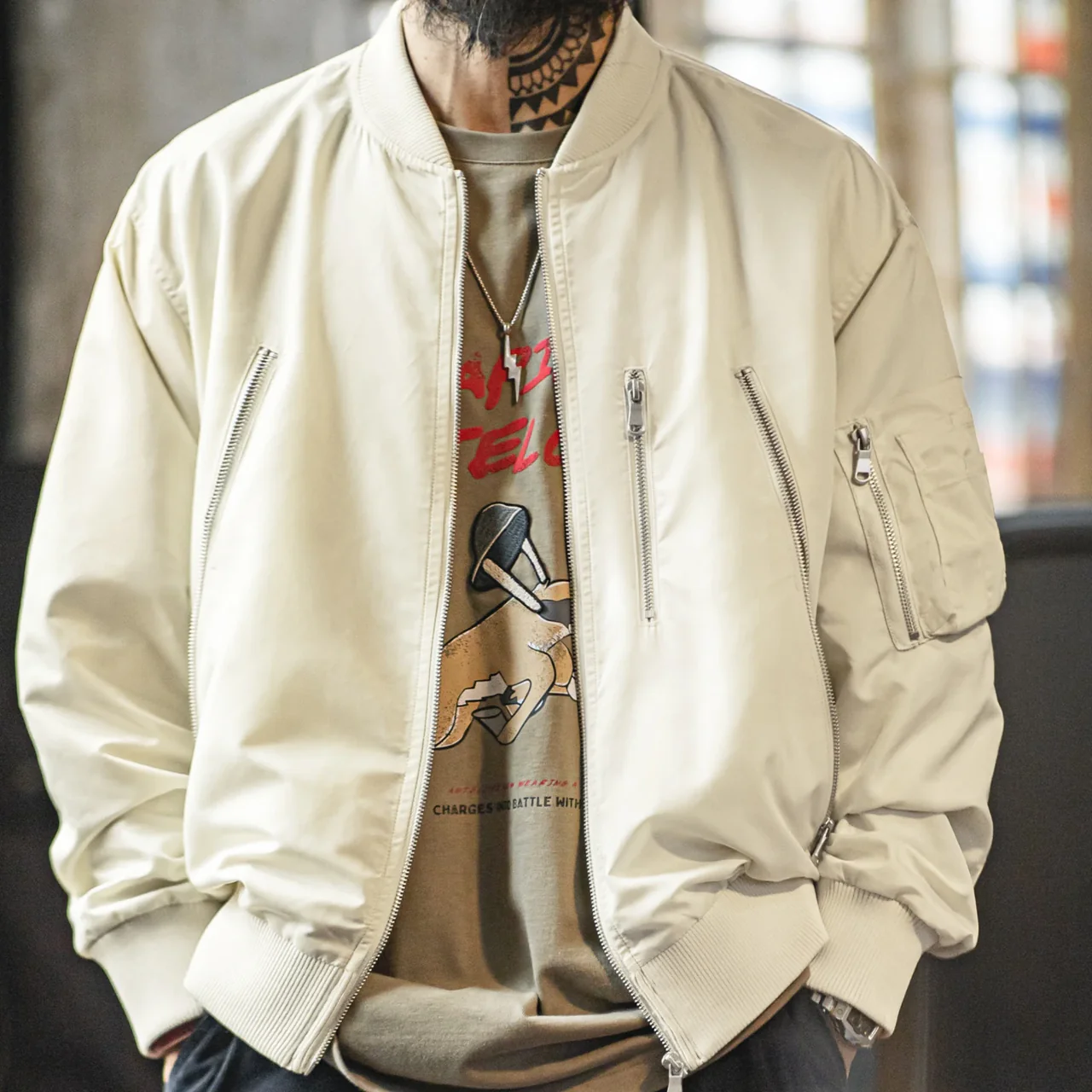
👉 Smaller production systems can feel more approachable for new brands.
Common Advantages of Small Manufacturers
Many small factories focus heavily on:
- Personalized customer support
- Flexible production quantities
- Simpler workflow coordination
👉 These features are helpful during early-stage brand growth.
Common Limitations Some Brands Experience
However, smaller factories may sometimes struggle with:
- Production consistency
- Long-term scalability
- Structured quality control
- Advanced customization capability
👉 Manufacturing quality varies heavily between suppliers.
Overview of Fuki Apparel
FukiApparel is a streetwear-focused clothing manufacturer designed for startup and growth-stage fashion brands.
Key production features include:
- MOQ around 100 pcs
- Sampling in 7–10 days
- Bulk production in 25–35 days
- Full customization support
👉 The production system focuses heavily on balancing flexibility, quality, and scalable manufacturing support.
Customization & Product Development
One major difference between Fuki Apparel and many small manufacturers is customization capability.
Supported options include:
- Oversized fits
- Heavyweight fabrics
- Puff printing
- Embroidery
- Vintage and acid washes
- Custom labels and packaging
👉 Strong customization helps brands build stronger product identity.
Why Customization Matters
Modern fashion customers quickly notice differences in:
- Fit proportions
- Fabric quality
- Garment finishing
- Print durability
👉 Better customization often improves perceived product value.
MOQ Flexibility & Startup Support
MOQ is one of the biggest reasons brands work with smaller manufacturers.
Fuki Apparel typically offers:
- MOQ around 100 pcs
👉 Lower MOQ helps startups reduce inventory pressure and production risk.
Why Flexible MOQ Matters
Lower MOQ helps brands:
- Test collections gradually
- Avoid overstock problems
- Improve cash flow management
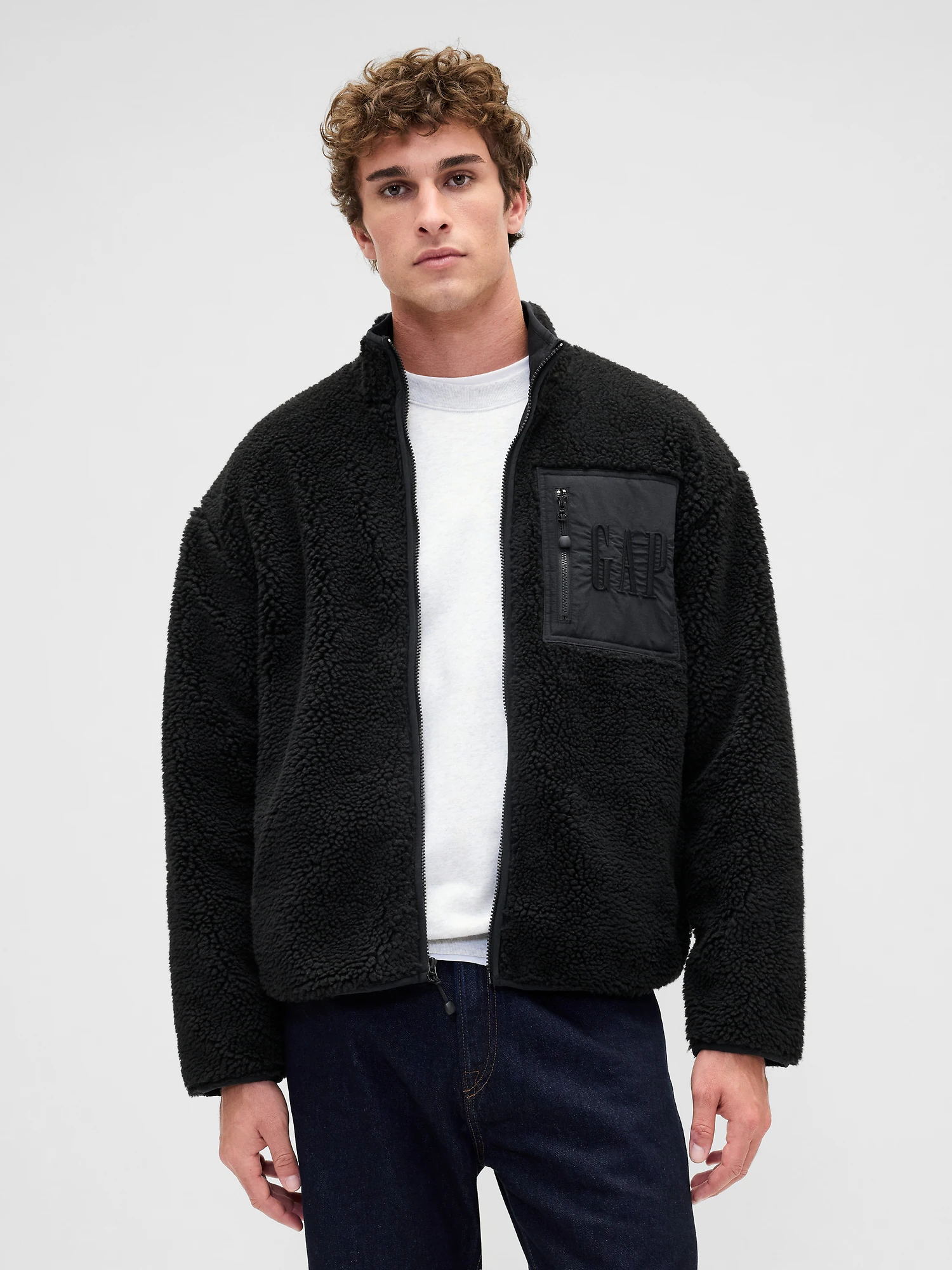
👉 Startup flexibility is extremely important during early growth stages.
Quality Control & Production Consistency
One challenge with some small factories is maintaining consistent production quality as order volume grows.
Fuki Apparel focuses heavily on:
- Stable material sourcing
- Multi-stage quality control
- Sample-based production
- Repeat manufacturing consistency
👉 Structured QC systems help reduce production variation.
QC Workflow
| QC Stage | Purpose |
|---|---|
| Fabric Inspection | Verify material quality |
| In-Line QC | Detect production issues |
| Final Inspection | Review completed garments |
| Packaging Check | Confirm order accuracy |
👉 Better QC systems improve customer satisfaction and long-term reliability.
Workflow Systems & Production Stability
Fuki Apparel uses organized workflows that include:
- Design review
- Sample development
- Material sourcing
- Bulk production planning
- Multi-stage inspections
- Packaging and shipping coordination
👉 Structured systems improve production stability significantly.
Why Workflow Systems Matter
Factories with weak systems often create:
- Delayed launches
- Revision mistakes
- Product inconsistencies
- Communication confusion
👉 Organized systems reduce operational stress long term.
Communication Support
Fuki Apparel also focuses on:
- Production updates
- Timeline coordination
- Revision management
👉 Better communication improves manufacturing efficiency.
Fuki Apparel vs Small Manufacturers
| Factor | Fuki Apparel | Small Manufacturers |
|---|---|---|
| MOQ Flexibility | Startup-friendly | Often flexible |
| Customization | Strong | Varies heavily |
| Quality Control | Structured | Sometimes basic |
| Workflow Systems | Organized | Often simpler |
| Scalability | Stronger | Sometimes limited |
| Production Consistency | More stable | Depends on factory |
👉 Small factories may feel more personal, while Fuki Apparel combines flexibility with stronger production systems.
Which Option Is Better for Growing Brands?
As fashion brands grow, production needs usually become more complex.
Brands eventually need:
- Better production consistency
- Faster repeat production
- More organized workflows
- Long-term scalability
👉 Structured manufacturing systems become increasingly valuable over time.
Why Scalability Matters
Weak production systems often create:
- Inventory instability
- Delayed restocks
- Product inconsistencies
- Customer dissatisfaction
👉 Stable workflows help brands scale more efficiently.
Who Is Fuki Apparel Best For?
Fuki Apparel is especially suitable for:
1. Startup Streetwear Brands
👉 Need lower MOQ and customization flexibility
2. Independent Fashion Labels
👉 Product identity and consistency matter heavily
3. Growth-Stage Clothing Brands
👉 Need scalable long-term production support
4. Brands Focused on Repeat Quality
👉 Structured QC systems help maintain consistency
FAQs
Are small clothing manufacturers better for startups?
Sometimes, especially because of lower MOQ and more flexible communication.
Why do some brands outgrow small factories?
Because scaling production often requires more structured workflows and stronger QC systems.
Is Fuki Apparel good for startup brands?
Yes, especially because of lower MOQ flexibility and scalable manufacturing systems.
Does better workflow organization improve production reliability?
Absolutely — organized systems help reduce mistakes and improve consistency.
Conclusion
So, how does Fuki Apparel compare to small clothing manufacturers?
👉 For many modern fashion brands, Fuki Apparel combines the flexibility of smaller manufacturers with stronger long-term production systems.
While some small factories focus mainly on flexibility and personalized service,
Fuki Apparel also emphasizes:
- Product consistency
- Structured quality control
- Workflow organization
- Long-term scalability
And for brands building repeat collections and long-term customer trust,
those advantages often become increasingly valuable as the business grows.
Internal Reference
👉 Build your brand with a scalable production partner: FukiApparel
Follow us for real production insights and updates:
- TikTok: Fuki Streetwear
- YouTube: Fuki Apparel
- Instagram: Fuki Streetwear
