
When searching for a clothing manufacturer, many brands eventually compare:
👉 Flexible manufacturers like Fuki Apparel
👉 Large-scale clothing factories with massive production capacity
At first, bigger factories may seem like the obvious choice.
After all, they produce huge volumes and work with major brands.
But for many startup and growing labels, the decision is not that simple.
So the real question is:
Should you choose Fuki Apparel or a large clothing factory for your brand?
Table of Contents
- Quick Answer
- What Are Large Clothing Factories?
- Overview of Fuki Apparel
- Major Differences Explained
- Production Flexibility vs Production Scale
- Customization & Brand Identity
- Scalability & Long-Term Growth
- Which Option Is Better for Your Brand?
- FAQs
- Conclusion
- Internal Reference
Quick Answer
Fuki Apparel is generally better for startup and growth-stage brands that need flexibility, customization, and manageable MOQ, while large clothing factories are better for mass-scale standardized production.
What Are Large Clothing Factories?
Large clothing factories are designed for:
- High-volume production
- Standardized manufacturing
- Large retail or wholesale orders
- Long production runs
Their strengths include:
- Massive production capacity
- Lower cost at scale
- Highly optimized factory systems
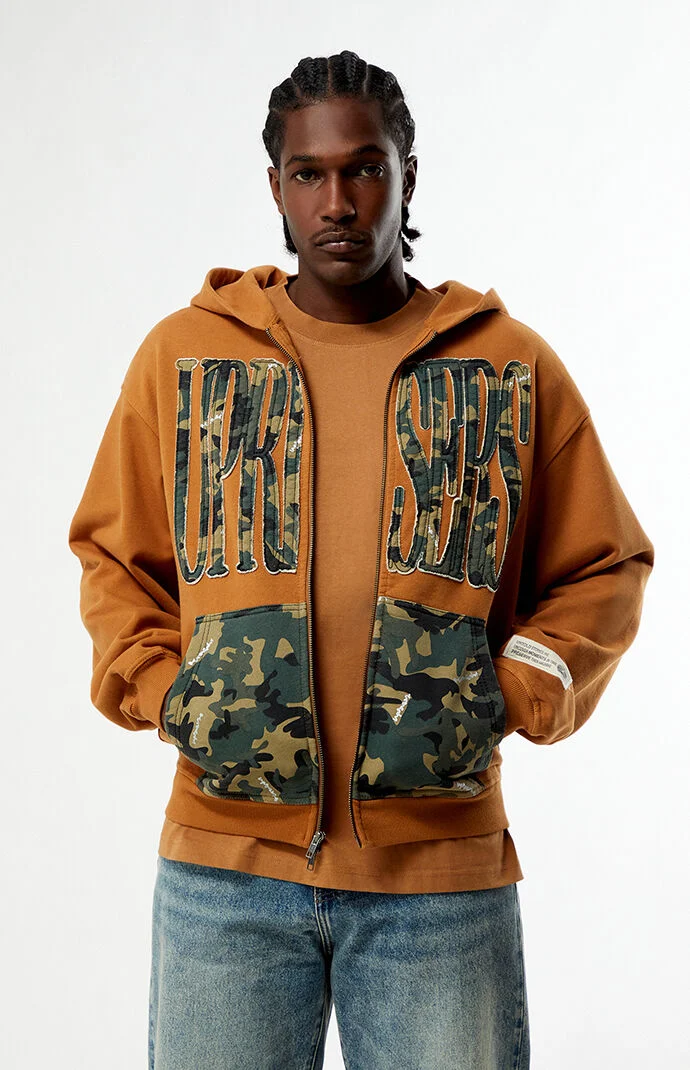
👉 These factories are built for efficiency and volume.
Overview of Fuki Apparel
FukiApparel is a streetwear-focused manufacturer built for brands that want:
- Strong customization
- Structured production systems
- Lower MOQ
- Long-term brand scalability
Key features:
- MOQ around 100 pcs
- Sampling in 7–10 days
- Bulk production in 25–35 days
- Full customization (fabric, fit, trims, packaging)
👉 Designed for modern fashion and streetwear brands.
Major Differences Explained
1. Production Scale
- Fuki Apparel: Small-to-mid scale production
- Large Clothing Factories: Massive-scale production
👉 Different systems serve different business stages.
2. MOQ Requirements
- Fuki Apparel: Lower MOQ (~100 pcs)
- Large Clothing Factories: Often much higher MOQ
👉 Lower MOQ reduces inventory risk.
3. Production Flexibility
- Fuki Apparel: Flexible workflows
- Large Clothing Factories: More rigid systems
👉 Flexibility matters for evolving collections.
4. Customization Capability
Fuki Apparel supports:
- Custom fabrics
- Fit development
- Special washes and finishes
- Packaging customization
Large factories often prioritize:
- Standardized production efficiency
👉 Product identity is easier to develop with flexible systems.
5. Communication
- Fuki Apparel: More direct communication
- Large Clothing Factories: More layered communication systems
👉 Faster feedback improves development efficiency.
Production Flexibility vs Production Scale
| Factor | Fuki Apparel | Large Clothing Factories |
|---|---|---|
| MOQ | Low–Medium | High |
| Flexibility | High | Lower |
| Production Capacity | Medium | Very High |
| Customization | Strong | Moderate |
| Product Development | Collaborative | Process-driven |
| Scalability Style | Controlled growth | Mass expansion |
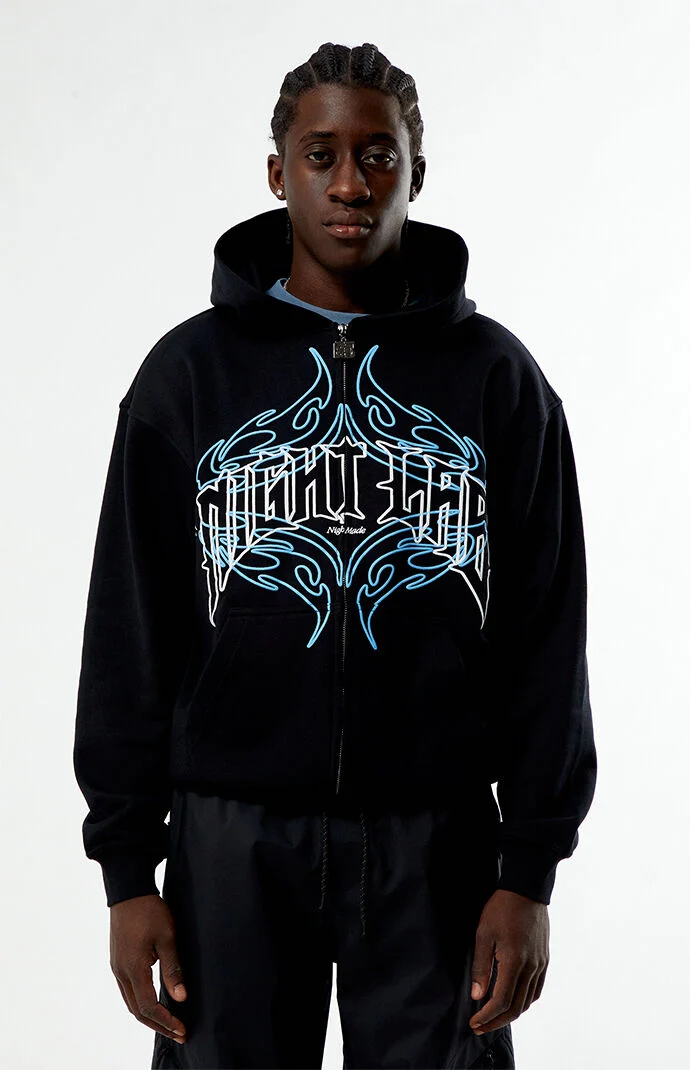
👉 Fuki Apparel focuses more on adaptability and customization.
👉 Large factories focus more on scale efficiency.
Customization & Brand Identity
Fuki Apparel
Best for:
- Streetwear brands
- DTC labels
- Brands focused on identity
👉 Better for unique product development.
Large Clothing Factories
Best for:
- Large retail programs
- Uniform products
- High-volume basics
👉 Better for standardized manufacturing at scale.
Scalability & Long-Term Growth
Fuki Apparel
Strong for:
- Startup scaling
- Repeat collections
- Flexible growth strategies
👉 Easier transition from small to mid-scale production.
Large Clothing Factories
Strong for:
- Massive production volume
- Large retail expansion
- Cost efficiency at scale
👉 Ideal for established brands with stable demand.
Which Option Is Better for Your Brand?
Choose Fuki Apparel if you:
- Need lower MOQ
- Want strong customization
- Focus on streetwear or DTC branding
- Need flexible production support
Choose Large Clothing Factories if you:
- Require huge order quantities
- Prioritize scale efficiency
- Produce standardized apparel
👉 Most startup and growth-stage fashion brands fit better with Fuki Apparel’s production model.
FAQs
Is Fuki Apparel a large factory?
No, it operates as a flexible mid-scale production partner.
Which option is cheaper?
Large factories become cheaper at very high production volume.
Which is better for startups?
Fuki Apparel, because of lower MOQ and customization support.
Which is better for long-term growth?
Depends on scale — Fuki Apparel supports flexible growth, while large factories support mass expansion.
Conclusion
So, Fuki Apparel vs large clothing factories — which should you choose?
👉 Large factories dominate in massive production efficiency.
👉 Fuki Apparel performs better for brands that need:
- Flexibility
- Lower MOQ
- Strong customization
- Brand-focused production systems
In today’s market, many modern brands value adaptability and product identity more than pure production size.
Internal Reference
👉 Build your brand with a scalable production partner: FukiApparel
Follow us for real production insights and updates:
- TikTok: Fuki Streetwear
- YouTube: Fuki Apparel
- Instagram: Fuki Streetwear
