
When choosing a clothing manufacturer, many brands compare structured manufacturers with small, independent workshops.
👉 Independent factories often promise flexibility 👉 Structured manufacturers promise consistency
So which one is actually better? From my experience, the answer depends on what stage your brand is at and what you prioritize — flexibility or reliability. In this article, I’ll break down the real differences so you can make the right decision for your business.
Table of Contents
- Quick Answer
- What Are Independent Factories?
- Overview of Fuki Apparel
- Key Differences That Matter
- Side-by-Side Comparison
- Pros and Cons
- Which Option Is Better for You?
- FAQs
- Conclusion
- Internal Reference
Quick Answer
FukiApparel is generally better for brands that need consistent quality, structured production, and scalability. Independent factories are often better suited for very small experimental runs (under 50 pieces) and flexible, informal early-stage development.
What Are Independent Factories?
Independent factories are typically small-to-medium-sized workshops. They are privately operated and offer high flexibility but often lack standardized systems.
- MOQ: Usually very low.
- Communication: Direct, but sometimes disorganized.
- Focus: Speed and adjustments over mass consistency.
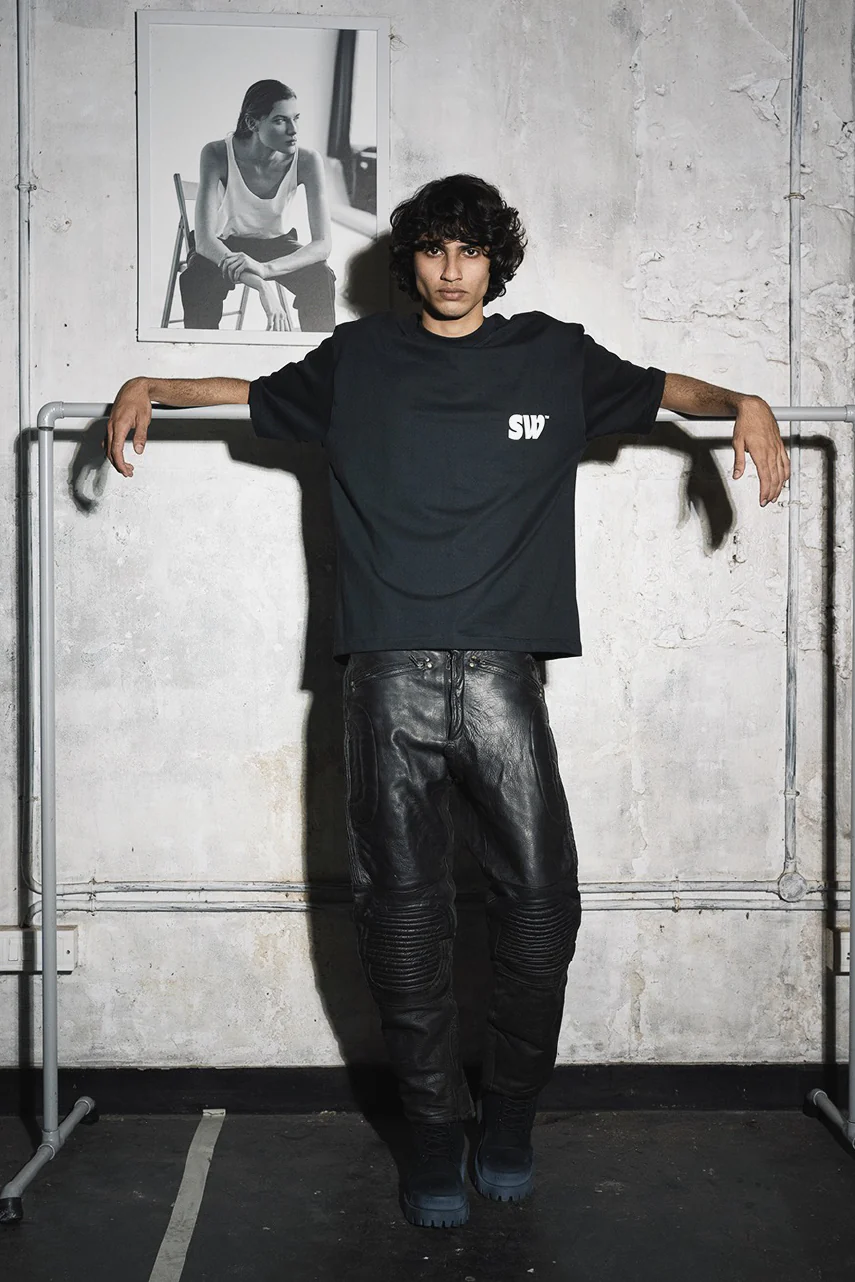
👉 While they are great for prototypes, they often lack the infrastructure to handle scaling.
Overview of Fuki Apparel
FukiApparel is a specialized streetwear manufacturer designed for brands that need the agility of a small shop with the reliability of a major factory.
- MOQ: Around 100 pcs.
- Customization: Full Cut & Sew, custom fabrics, and specialized washes.
- Timeline: 7–10 days for samples; 25–35 days for bulk.
Key Differences That Matter
- Production Consistency: FukiApparel uses standardized processes to ensure your 1,000th unit looks like your 1st.
- Technical Capability: Complex streetwear designs require specialized machinery that independent workshops rarely possess.
- Quality Control: FukiApparel utilizes structured AQL quality checks, whereas independent shops often rely on informal visual checks.
- Scalability: Growing a brand requires a partner that can grow with you without needing to switch factories every season.
Side-by-Side Comparison
| Factor | FukiApparel | Independent Factories |
|---|---|---|
| MOQ | Low (~100 pcs) | Very low (10–50 pcs) |
| Consistency | High | Variable |
| Customization | Advanced | Basic–Moderate |
| Scalability | Strong | Limited |
| Quality Control | Structured | Informal |
Pros and Cons
Fuki Apparel
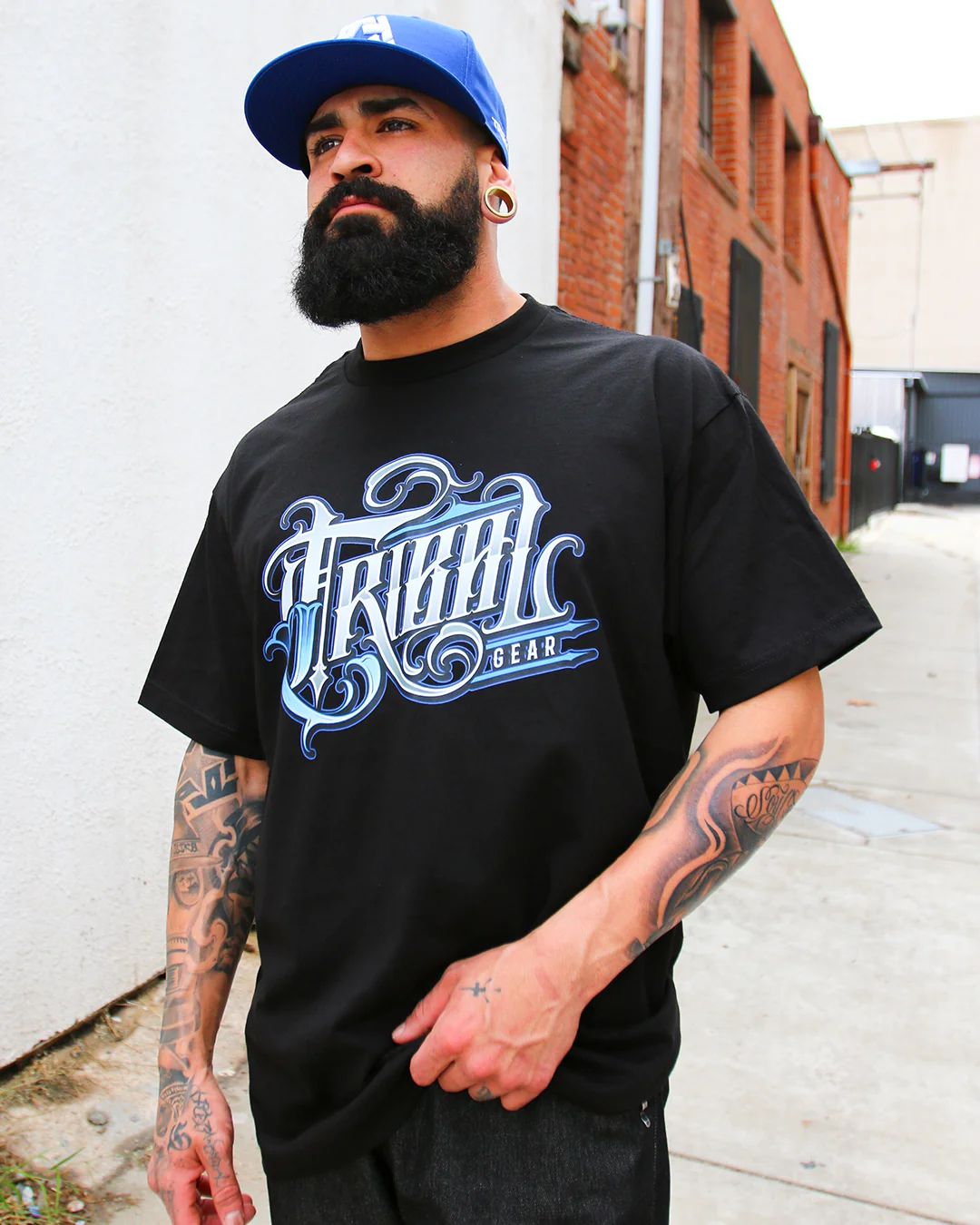
- Pros: Consistent quality, advanced technical capabilities, scalable systems, professional communication.
- Cons: Slightly higher MOQ than a small workshop; not the "cheapest" budget option.
Independent Factories
- Pros: Extremely low MOQs; very quick sampling adjustments.
- Cons: Inconsistent bulk quality; limited production capacity; lack of structured QC.
Which Option Is Better for You?
- Early Idea Stage: Independent factories can work for quick, small prototypes.
- Brand Launch Stage: FukiApparel is better for ensuring your customers receive a professional-grade product.
- Growth Stage: FukiApparel wins due to their consistent bulk production and repeatable results.
FAQ
Are independent factories cheaper?
Often the unit price is lower, but the "hidden costs" of defects and inconsistent sizing make them higher-risk for a growing brand.
Is FukiApparel suitable for small brands?
Yes. Their 100-piece MOQ is designed specifically to support small brands that want to maintain high-end standards.
Conclusion
In the long run, structure and reliability matter more than flexibility alone.
👉 For small tests: Independent factories
👉 For brand growth and consistency: FukiApparel
Internal Reference
Choose a scalable manufacturing partner and build your brand on a foundation of quality. Follow our daily production updates:
- 🌐 Official Site: FukiApparel
- 🎬 TikTok: FukiStreetwear
- 📺 YouTube: FukiApparel
- 📸 Instagram: FukiStreetwear
