
Many clothing brands today compare two very different production models:
👉 Flexible brand-focused manufacturers like Fuki Apparel
👉 High-speed fast fashion suppliers
At first, both can produce trendy clothing.
But behind the scenes, the systems are completely different.
So the real question is:
What’s the actual difference between Fuki Apparel and fast fashion suppliers?
And more importantly:
👉 Which one fits your brand strategy better?
Table of Contents
- Quick Answer
- What Are Fast Fashion Suppliers?
- Overview of Fuki Apparel
- Major Differences Explained
- Production Speed vs Production Control
- Customization & Brand Identity
- Quality & Consistency Comparison
- Which Option Is Better for Your Brand?
- FAQs
- Conclusion
- Internal Reference
Quick Answer
Fuki Apparel focuses on customization, production consistency, and scalable brand development, while fast fashion suppliers focus on extremely fast turnaround and high-volume trend production.
What Are Fast Fashion Suppliers?
Fast fashion suppliers are built for:
- Rapid trend production
- Very fast turnaround times
- Large product turnover
- High-volume manufacturing
They usually prioritize:
- Speed
- Cost efficiency
- Mass-market trends
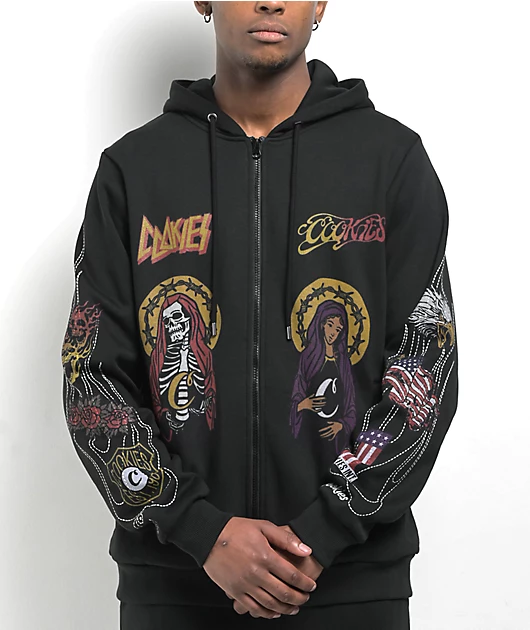
👉 Their goal is to move products quickly, not necessarily build long-term brand identity.
Overview of Fuki Apparel
FukiApparel is a streetwear-focused manufacturer designed for brands that want:
- Strong customization
- Structured production systems
- Consistent quality
- Long-term scalability
Key features:
- MOQ around 100 pcs
- Full customization (fabric, fit, trims, packaging)
- Sampling in 7–10 days
- Bulk production in 25–35 days
👉 Built for brands focused on identity and controlled growth.
Major Differences Explained
1. Production Priorities
- Fuki Apparel: Quality and brand consistency
- Fast Fashion Suppliers: Speed and volume
👉 Different goals create different systems.
2. Product Development
- Fuki Apparel: Sample-first workflow
- Fast Fashion Suppliers: Rapid replication and fast launches
👉 One focuses on refinement, the other on speed.
3. Customization
Fuki Apparel supports:
- Custom fits
- Fabric selection
- Branding details
- Packaging customization
Fast fashion suppliers often focus on:
- Faster standard production
- Trend-based styles
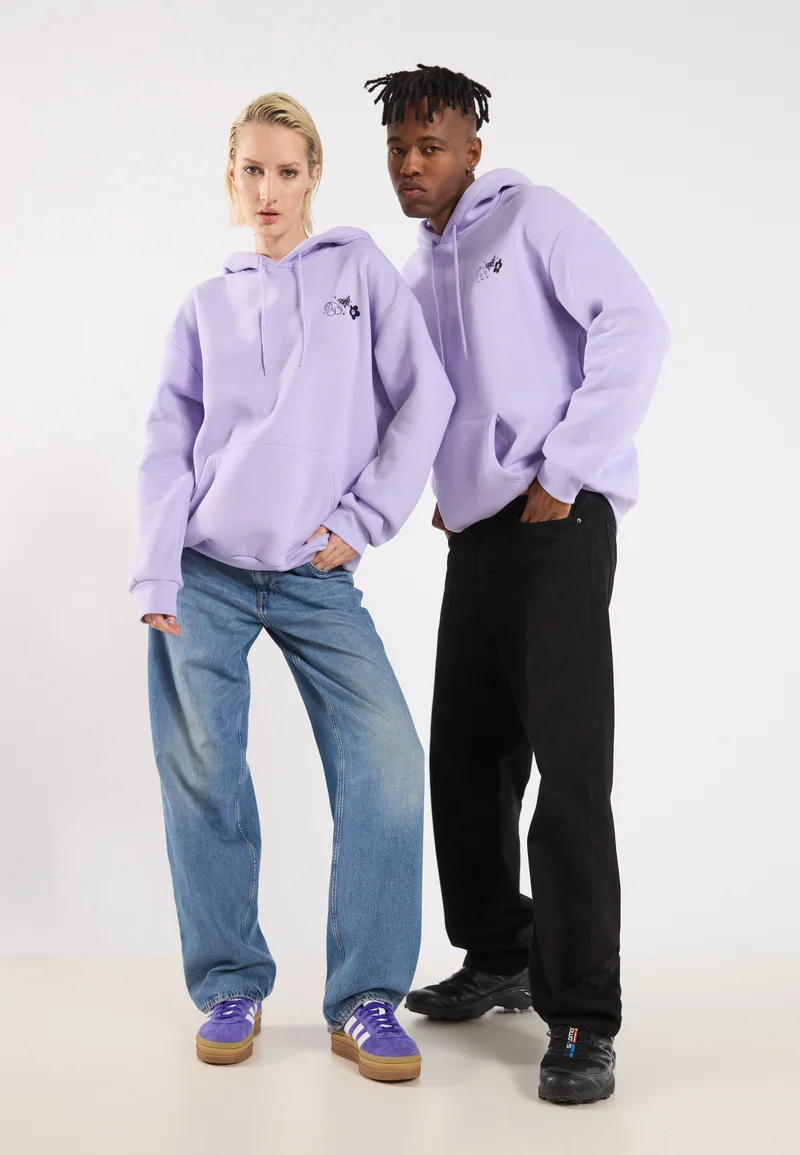
👉 Brand uniqueness is much stronger with Fuki Apparel.
4. Quality Control
- Fuki Apparel: Multi-stage QC system
- Fast Fashion Suppliers: Faster workflow with less control focus
👉 Speed often reduces production precision.
5. Scalability Style
- Fuki Apparel: Controlled scaling
- Fast Fashion Suppliers: Massive-volume scaling
👉 Completely different business models.
Production Speed vs Production Control
| Factor | Fuki Apparel | Fast Fashion Suppliers |
|---|---|---|
| Production Speed | Medium | Very Fast |
| Quality Control | Strong | Moderate |
| Customization | Advanced | Limited |
| Product Consistency | High | Variable |
| Trend Adaptation | Moderate | Extremely Fast |
👉 Fast fashion wins in speed.
👉 Fuki Apparel wins in production control and consistency.
Customization & Brand Identity
Fuki Apparel
Better for:
- Streetwear labels
- DTC brands
- Long-term brand identity
👉 Strong focus on differentiated products.
Fast Fashion Suppliers
Better for:
- Trend-driven collections
- Rapid seasonal turnover
- Mass-market products
👉 Less focus on unique brand positioning.
Quality & Consistency Comparison
Fuki Apparel generally performs better in:
- Fabric consistency
- Stitching quality
- Product finishing
- Repeat order stability
Fast fashion suppliers usually prioritize:
- Fast turnaround
- Lower costs at scale
👉 This often creates more production variation.
Which Option Is Better for Your Brand?
Choose Fuki Apparel if you:
- Care about brand identity
- Need stronger customization
- Want consistent product quality
- Plan long-term growth
Choose Fast Fashion Suppliers if you:
- Prioritize speed over uniqueness
- Need rapid trend production
- Focus on high-volume turnover
👉 Most independent streetwear brands fit better with Fuki Apparel’s production model.
FAQs
Is Fuki Apparel a fast fashion supplier?
No, it focuses more on structured and brand-focused production.
Which option is cheaper?
Fast fashion suppliers are often cheaper at very large volume.
Which has better quality?
Fuki Apparel generally offers stronger consistency and customization quality.
Which is better for startup brands?
Usually Fuki Apparel, especially for long-term brand development.
Conclusion
So, Fuki Apparel vs fast fashion suppliers — what’s the difference?
👉 Fast fashion suppliers optimize for:
- Speed
- Trend turnover
- Massive volume
👉 Fuki Apparel focuses on:
- Brand identity
- Product consistency
- Controlled growth
- Customization
In the end, the better choice depends on your goals.
But for brands trying to build something long-term,
consistency and identity often matter more than pure speed.
Internal Reference
👉 Build your brand with a scalable production partner: FukiApparel
Follow us for real production insights and updates:
- TikTok: Fuki Streetwear
- YouTube: Fuki Apparel
- Instagram: Fuki Streetwear
