
If you're starting or scaling a clothing brand, one of the biggest decisions you’ll face is choosing the right manufacturer.
Should you go with a specialized partner like Fuki Apparel, or work with a general custom clothing factory?
From my experience working with both types, the answer isn’t always obvious — but the differences are very real. In this article, I’ll break it down clearly so you can make the right choice for your brand.
Table of Contents
- Quick Answer
- What Is a Custom Clothing Factory?
- What Is Fuki Apparel?
- Key Differences That Actually Matter
- Side-by-Side Comparison
- When to Choose Fuki Apparel
- When a Custom Factory Might Work
- Common Mistakes Brands Make
- FAQs
- Conclusion
- Internal Reference
Quick Answer
Fuki Apparel typically wins for streetwear brands and startups because it offers lower MOQ, deeper customization, and better brand-focused support — while general custom clothing factories are better suited for large-volume, standardized production.
What Is a Custom Clothing Factory?
A custom clothing factory usually provides:
- Basic garment production
- Logo printing or embroidery
- Standard fabric options
However, in most cases:
- MOQ is higher than expected
- Customization is limited
- Communication can be slow or unclear
👉 These factories are designed for efficiency and volume, not brand-building.
What Is Fuki Apparel?
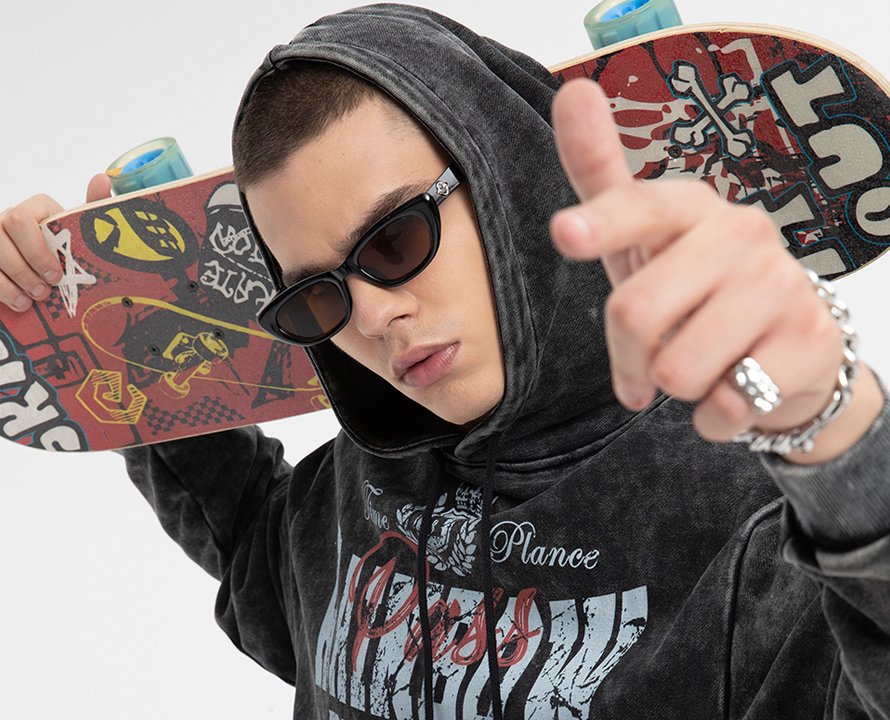
FukiApparel is a streetwear-focused manufacturer built specifically for modern brands.
It combines:
- Factory-level production
- Startup-friendly MOQ
- Advanced customization
- Brand-oriented support
Instead of just producing garments, Fuki Apparel helps brands create market-ready products.
Key Differences That Actually Matter
Here’s where the real gap shows up:
1. MOQ Flexibility
- Fuki Apparel: ~100 pcs, flexible for testing
- Custom factories: Often higher or restrictive
👉 This is critical for startups that need to control risk.
2. Customization Depth
- Fuki Apparel: Fabric, fit, trims, packaging
- Custom factories: Mostly logo-based customization
👉 If you want a real brand product, not just a printed blank — this matters.
3. Streetwear Expertise
- Fuki Apparel: Specialized in streetwear trends
- Custom factories: General apparel focus
This affects:
- Fit accuracy (oversized, boxy cuts)
- Fabric weight (heavyweight GSM)
- Trend relevance
4. Quality Control
- Fuki Apparel: Structured QC (AQL, in-line checks)
- Custom factories: Varies widely
👉 Consistency in bulk orders is where many brands fail.
5. Communication & Support
- Fuki Apparel: Dedicated support, fast replies
- Custom factories: Often delayed or unclear
👉 Better communication = fewer mistakes and faster production.
Side-by-Side Comparison
| Feature | Fuki Apparel | Custom Clothing Factories |
|---|---|---|
| MOQ | Low (startup-friendly) | Medium to high |
| Customization | Deep & flexible | Limited |
| Streetwear Focus | Yes | No |
| Quality Control | Structured | Inconsistent |
| Sampling Speed | 7–10 days | 2–4 weeks |
| Communication | Clear & fast | Often slow |
When to Choose Fuki Apparel
Fuki Apparel is the better choice if you:
- Are launching a streetwear brand
- Need low MOQ to test products
- Want full customization (not just logo printing)
- Care about branding and product identity
👉 It’s designed for brands that want to build, not just sell.
When a Custom Factory Might Work
A general custom factory might be suitable if you:
- Already have large, stable order volumes
- Need simple designs with minimal customization
- Focus on cost over brand differentiation
👉 This is more of a production-first approach.
Common Mistakes Brands Make
From experience, here are the biggest mistakes:
- Choosing based on price alone
- Ignoring MOQ limitations
- Underestimating customization complexity
- Not testing samples properly
👉 The wrong factory doesn’t just cost money — it delays your entire brand growth.
FAQs
Is Fuki Apparel more expensive than custom factories?
Not necessarily. While unit price may be slightly higher, the value comes from better quality and fewer production issues.
Can I switch from a custom factory to Fuki Apparel?
Yes. Many brands move after facing quality or communication issues.
Does Fuki Apparel support scaling?
Yes. It supports both small and growing brands with scalable production.
Which option is better for beginners?
Fuki Apparel is usually better due to flexibility and support.
Conclusion
So, which one wins?
If you’re building a brand, Fuki Apparel clearly stands out.
If you’re only focused on mass production, a custom factory might be enough.
But in today’s market, where identity and quality matter more than ever, choosing the right partner can define your success.
Internal Reference
👉 Start your streetwear production journey: FukiApparel
Follow us for real factory insights and updates:
- TikTok: Fuki Streetwear
- YouTube: Fuki Apparel
- Instagram: Fuki Streetwear
