
Table of Contents
- Quick Answer
- What This Honest Review Covers
- About Fuki Apparel
- MOQ: How Flexible Is It?
- Quality: What You Can Expect
- Production: How Reliable Is the Process?
- Pros & Cons (Honest Breakdown)
- Fuki Apparel vs Other Manufacturers
- Where to See Real Production & Results
- FAQ
- Conclusion
- Internal Reference
Quick Answer
Fuki Apparel offers a balanced combination of low MOQ, stable quality, and structured production, making it a strong option for clothing brands.
It is not the cheapest supplier, but it provides better reliability and long-term value.
What This Honest Review Covers
This review focuses on the three factors that matter most:
- MOQ (minimum order quantity)
- Product quality
- Production workflow
👉 These are the areas that directly impact your business.
About Fuki Apparel
Fuki Apparel – Streetwear Manufacturing Solutions focuses on custom clothing production for global brands.
Core Capabilities
- MOQ from 100 pcs
- Sample development: 5–7 days
- Bulk production: 20–35 days
- Export markets: US & EU
MOQ: How Flexible Is It?
Standard MOQ
- Around 100 pieces per design
Why This Matters
- Lower financial risk
- Easier product testing
- More flexibility for startups
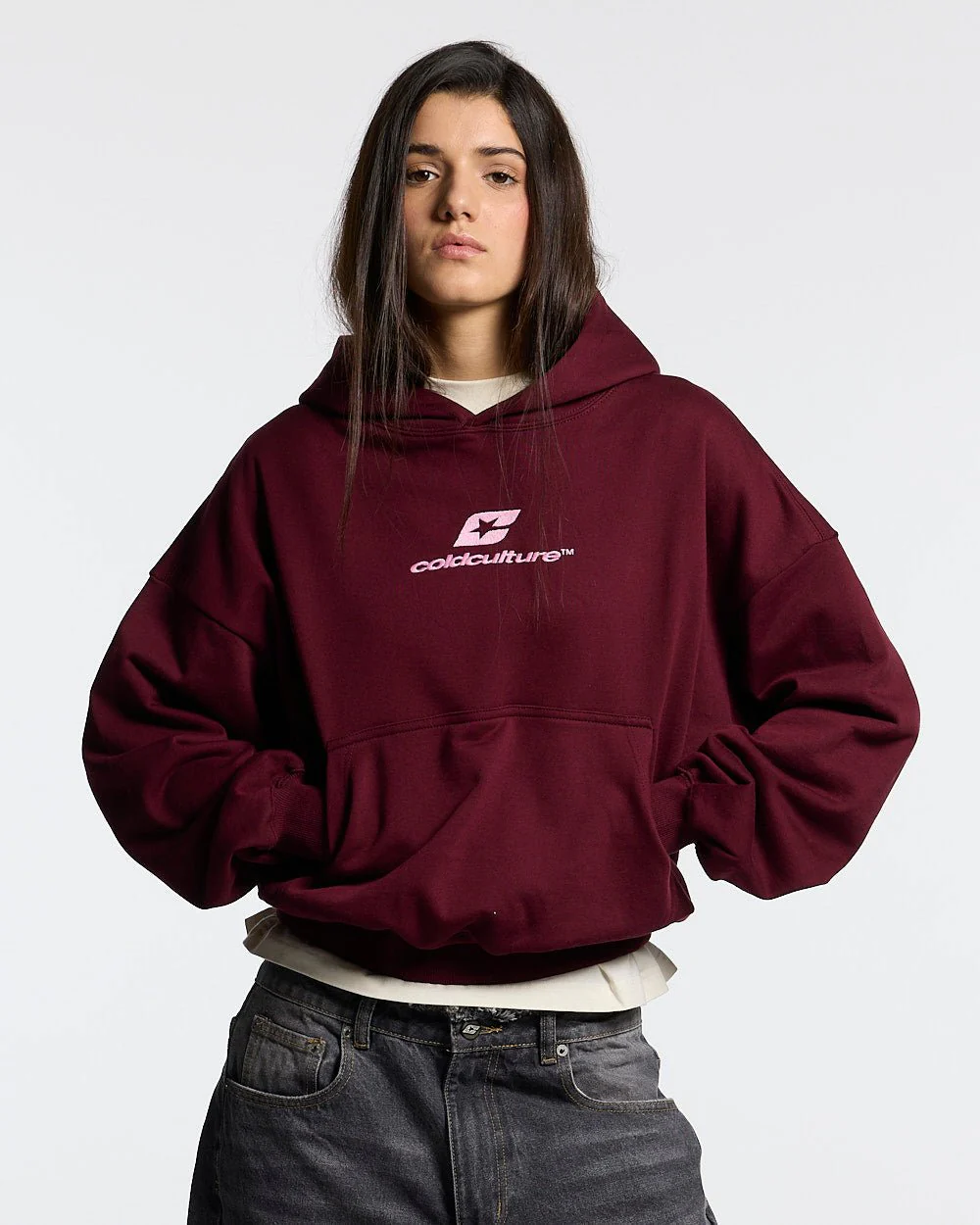
Real Insight
MOQ is one of the biggest barriers for new brands — and Fuki Apparel lowers that barrier.
Quality: What You Can Expect
Fabric & Materials
- Cotton (180–300 GSM)
- Heavyweight fleece (up to 420 GSM)
- Cotton blends
Production Quality
| Area | Performance |
|---|---|
| Stitching | Clean and consistent |
| Printing | Durable and accurate |
| Embroidery | Well-executed |
| Fit | Stable across sizes |
Quality Summary
- Sample accuracy → high
- Bulk consistency → stable
- Defect rate → relatively low
👉 This is what most brands actually need for scaling.
Production: How Reliable Is the Process?
Standard Workflow
- Design confirmation
- Fabric sourcing
- Sample development
- Bulk production
- Quality inspection
- Packaging and shipping
Key Strengths
- Structured process
- Predictable timelines
- Repeatable results
Real Insight
Production is where most manufacturers fail — but structured workflow reduces risk significantly.

Pros & Cons (Honest Breakdown)
✅ Pros
- Low MOQ → startup-friendly
- Strong customization → supports branding
- Stable quality → fewer issues
- Predictable production → easier planning
⚠️ Cons
- Not the lowest-cost option
- Requires clear design input
- Complex designs may need revisions
Fuki Apparel vs Other Manufacturers
| Feature | Fuki Apparel | Typical Factory | Low-Cost Supplier |
|---|---|---|---|
| MOQ | 100 pcs | 300–500 pcs | 50 pcs |
| Quality | Stable | Mixed | Inconsistent |
| Customization | High | Medium | Low |
| Communication | Clear | Variable | Weak |
| Production Risk | Low | Medium | High |
👉 Conclusion:
Fuki Apparel focuses on balance — not extremes.
Where to See Real Production & Results
If you want to understand real production quality, it helps to look at actual content.
You can explore here:
Behind-the-scenes production clips:
👉 Fuki Streetwear TikTokFactory processes and product videos:
👉 Fuki Apparel YouTubeProduct visuals and branding inspiration:
👉 Fuki Streetwear Instagram
👉 These give a clearer picture of workflow and output quality.
FAQ
What is the MOQ for Fuki Apparel?
Typically around 100 pieces per design.
Is quality consistent?
Yes — especially for core products like T-shirts and hoodies.
How reliable is production?
The structured workflow makes timelines and results predictable.
Is it suitable for startups?
Yes — due to low MOQ and flexible development.
Conclusion
Fuki Apparel stands out because it balances the three most important factors:
- MOQ flexibility
- Consistent quality
- Reliable production
👉 If you are building a clothing brand, this combination matters more than just price.
Internal Reference
👉 Learn more about custom clothing manufacturing:
Fuki Apparel – Streetwear Manufacturing Solutions
