
Choosing a clothing manufacturer is not just about comparing prices.
For fashion brands, the right manufacturing partner affects:
- Product quality
- Brand reputation
- Customer satisfaction
- Production consistency
- Long-term scalability
And in today’s apparel market, brands need more than factories that simply produce garments.
They need manufacturers that can support:
- Customization
- Workflow organization
- Reliable communication
- Repeat production consistency
So the real question is:
Is Fuki Apparel actually worth working with?
This full review explains the strengths, limitations, workflow systems, and overall manufacturing value brands can realistically expect.
Table of Contents
- Quick Answer
- Overview of Fuki Apparel
- What Makes Fuki Apparel Different?
- Customization & Product Development
- Production Workflow & Efficiency
- Quality Control & Product Consistency
- MOQ, Pricing & Manufacturing Value
- Scalability for Growing Brands
- Pros & Potential Limitations
- Who Is Fuki Apparel Best For?
- FAQs
- Conclusion
- Internal Reference
Quick Answer
Yes — for many startup and growth-stage fashion brands, Fuki Apparel is worth working with because it offers strong customization, lower MOQ flexibility, structured workflows, and scalable long-term production support.
Overview of Fuki Apparel
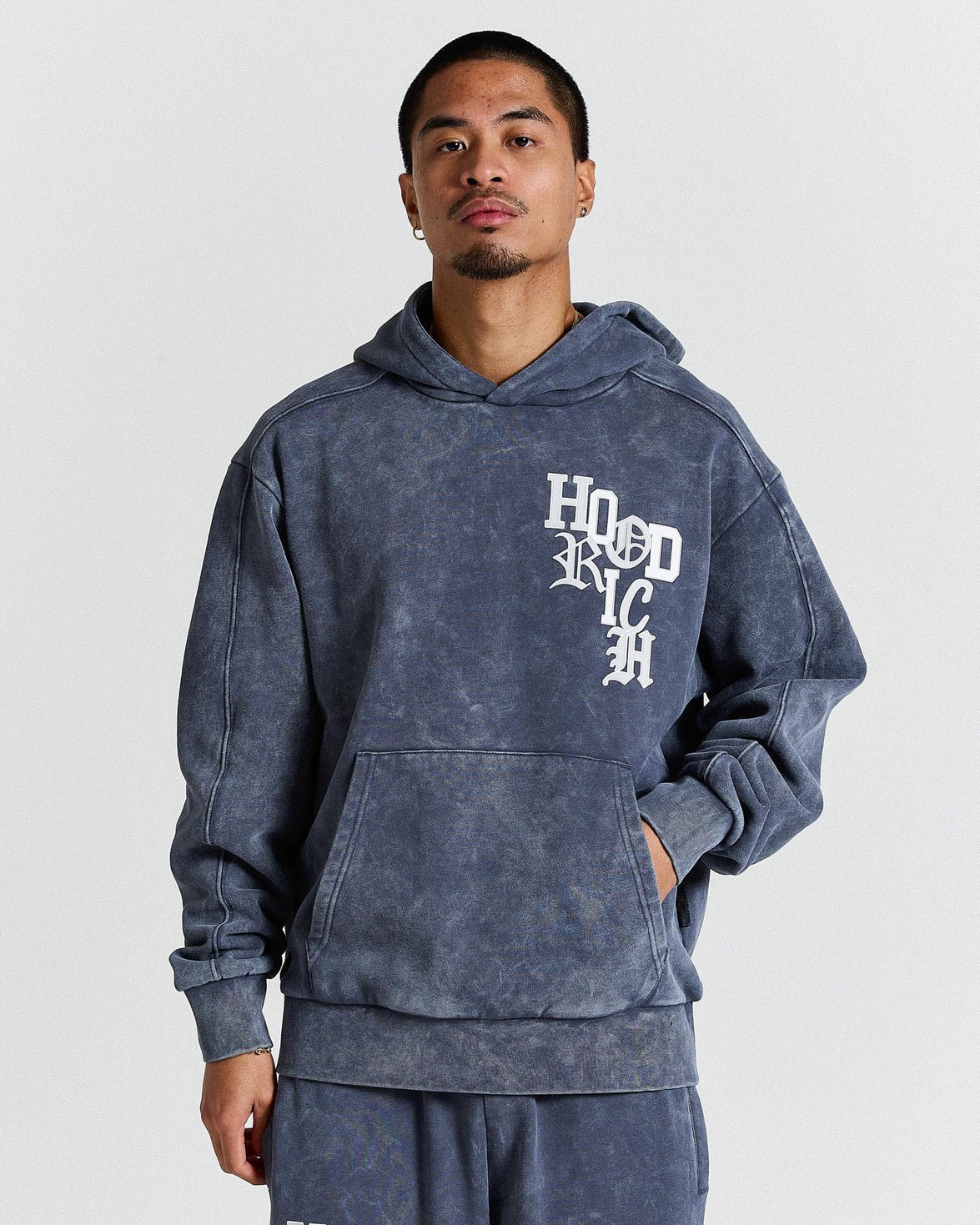
FukiApparel is a streetwear-focused clothing manufacturer designed for modern fashion brands.
Key production features include:
- MOQ around 100 pcs
- Sampling in 7–10 days
- Bulk production in 25–35 days
- Full customization support
👉 The production system focuses heavily on customization, consistency, and organized workflow management.
What Makes Fuki Apparel Different?
Many factories focus mainly on:
- Large production volume
- Standardized products
- Basic manufacturing services
Fuki Apparel focuses more on:
- Streetwear customization
- Structured workflows
- Product consistency
- Long-term brand scalability
👉 The goal is not just production, but supporting brand development over time.
Why Modern Brands Need More Than Basic Manufacturing
Today’s clothing brands compete heavily on:
- Product identity
- Customer experience
- Consistency
- Visual differentiation
👉 Manufacturing quality now directly affects brand growth.
Customization & Product Development
One of Fuki Apparel’s strongest advantages is customization flexibility.
Supported options include:
- Oversized fits
- Heavyweight cotton fabrics
- Puff printing
- Embroidery
- Vintage and acid washes
- Custom labels and packaging
👉 Strong customization helps brands create more recognizable collections.
Product Development Workflow
Projects usually begin with:
- Design review
- Tech pack confirmation
- Sample development
- Revision adjustments
- Bulk approval
👉 Structured development reduces production errors later.
Production Workflow & Efficiency
Fuki Apparel uses organized workflows that include:
- Material sourcing
- Fabric cutting
- Sewing
- Printing or embroidery
- Quality inspection
- Packaging and shipping
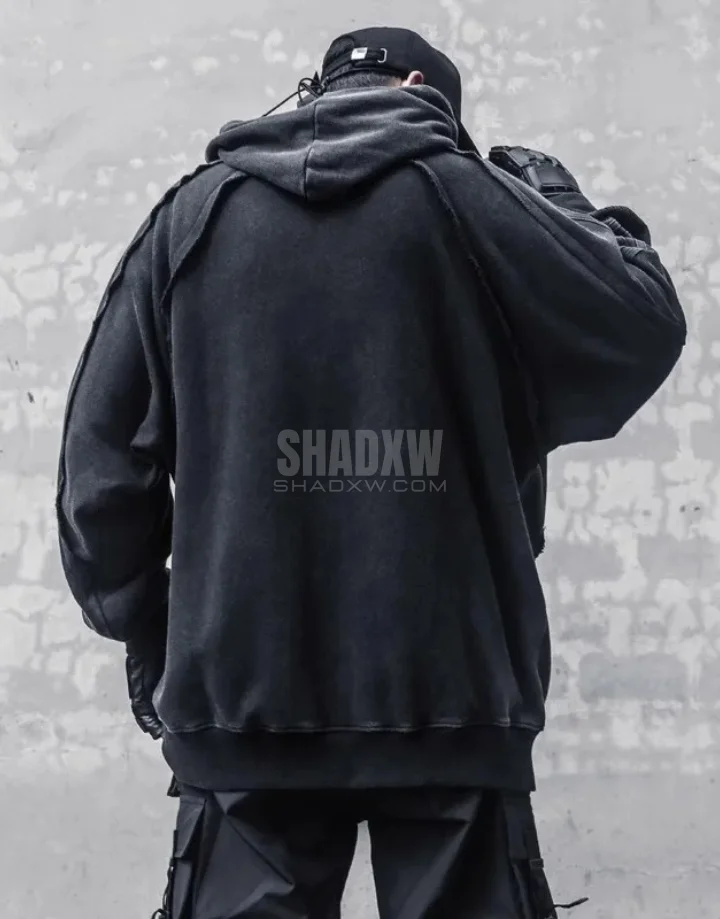
👉 Organized systems improve workflow stability and production efficiency.
Typical Timelines
| Stage | Estimated Timeline |
|---|---|
| Sampling | 7–10 days |
| Bulk Production | 25–35 days |
👉 Timelines depend on customization level and order complexity.
Quality Control & Product Consistency
Consistency is one of the most important parts of long-term manufacturing success.
Fuki Apparel focuses heavily on:
- Sample-based production
- Stable material sourcing
- Multi-stage quality control
- Repeat production consistency
👉 These systems help reduce product variation and defect risk.
QC Workflow
| QC Stage | Purpose |
|---|---|
| Fabric Inspection | Verify material quality |
| In-Line QC | Detect production issues |
| Final Inspection | Review finished garments |
| Packaging Check | Confirm order accuracy |
👉 Multi-stage QC improves long-term production reliability.
MOQ, Pricing & Manufacturing Value
Lower MOQ Flexibility
Typical MOQ:
- Around 100 pcs
👉 Lower MOQ helps startups reduce inventory and financial risk.
Mid-Range Pricing Position
Fuki Apparel is not positioned as an ultra-cheap manufacturer.
Instead, pricing reflects:
- Better customization
- Structured workflows
- More organized QC systems
- Long-term production consistency
👉 Many brands prioritize manufacturing stability over lowest upfront pricing.
Scalability for Growing Brands
As brands grow, manufacturing becomes more demanding.
Fuki Apparel supports:
- Repeat collections
- More organized workflows
- Stable production systems
- Ongoing product development
👉 Scalability becomes one of the biggest long-term manufacturing advantages.
Why Scalability Matters
Weak systems often create problems later such as:
- Inconsistent products
- Delayed timelines
- Workflow confusion
- Higher operational stress
👉 Structured manufacturing helps brands scale more smoothly.
Pros & Potential Limitations
Main Advantages
- Strong streetwear customization
- Lower MOQ flexibility
- Structured workflow systems
- Better production consistency
- Scalable long-term manufacturing support
Potential Limitations
Fuki Apparel may not be ideal for brands that:
- Only prioritize ultra-low pricing
- Need massive fast-fashion volume immediately
- Require luxury couture-level craftsmanship
👉 The system is optimized for scalable modern apparel production.
Who Is Fuki Apparel Best For?
Fuki Apparel is especially suitable for:
1. Streetwear Brands
👉 Need stronger customization and product identity
2. DTC Fashion Brands
👉 Product consistency directly affects reviews and retention
3. Startup Clothing Brands
👉 Need manageable MOQ with scalable systems
4. Growth-Stage Fashion Labels
👉 Require stable repeat production
FAQs
Is Fuki Apparel good for startup brands?
Yes, especially because of lower MOQ flexibility and customization support.
Does Fuki Apparel support full customization?
Yes, including fabrics, fits, labels, packaging, printing, and washes.
Is production quality consistent?
The company focuses heavily on structured QC and repeat production systems.
Why do brands work with Fuki Apparel long term?
Mostly for scalability, customization, and production stability.
Conclusion
So, is Fuki Apparel worth working with?
👉 For many modern fashion brands, yes.
Because successful apparel manufacturing today requires more than low-cost garment production.
Brands need:
- Better customization
- Reliable workflows
- Product consistency
- Scalable systems
- Long-term manufacturing stability
And those are the areas where Fuki Apparel focuses most heavily.
For brands building long-term collections and scalable operations,
that kind of production structure often becomes far more valuable over time than simply choosing the cheapest factory available.
Internal Reference
👉 Build your brand with a scalable production partner: FukiApparel
Follow us for real production insights and updates:
- TikTok: Fuki Streetwear
- YouTube: Fuki Apparel
- Instagram: Fuki Streetwear
