
When clothing brands choose a manufacturer, they usually evaluate three things first:
👉 Product quality
👉 Minimum order quantity (MOQ)
👉 Overall service experience
Because even if pricing looks attractive, poor communication or inconsistent quality can create major problems later.
That’s why many startup and growth-stage brands ask:
What is the real experience of working with Fuki Apparel?
This review explains how Fuki Apparel performs in the areas brands care about most.
Table of Contents
- Quick Answer
- Overview of Fuki Apparel
- How Is the Product Quality?
- MOQ Flexibility Explained
- Service & Communication Experience
- Customization & Product Development
- Production Workflow & Delivery
- Strengths & Potential Limitations
- Who Is Fuki Apparel Best For?
- FAQs
- Conclusion
- Internal Reference
Quick Answer
Fuki Apparel is generally well-suited for clothing brands that need strong customization, manageable MOQ, consistent product quality, and more structured communication throughout production.
Overview of Fuki Apparel
FukiApparel is a streetwear-focused manufacturer designed for startup and growth-stage clothing brands.
Key production features include:
- MOQ around 100 pcs
- Sampling in 7–10 days
- Bulk production in 25–35 days
- Full customization support
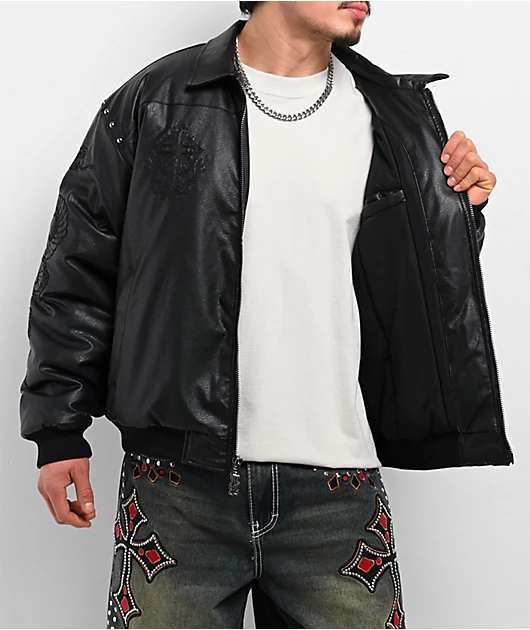
👉 The manufacturing system focuses on balancing flexibility, consistency, and scalability.
How Is the Product Quality?
Quality is one of the biggest reasons brands choose Fuki Apparel.
The company focuses heavily on:
- Stable fabric sourcing
- Structured workflow systems
- Multi-stage quality control
- Sample-based production
👉 These systems help improve production consistency across orders.
Streetwear-Focused Product Development
Fuki Apparel supports:
- Oversized fits
- Heavyweight fabrics
- Puff printing
- Embroidery
- Vintage washes
- Custom trims and packaging
👉 These details are especially important for modern streetwear brands.
Quality Control Workflow
| QC Stage | Purpose |
|---|---|
| Fabric Inspection | Verify material quality |
| In-Line QC | Detect issues during production |
| Final Inspection | Review finished garments |
| Packaging Check | Confirm labels and quantities |
👉 Multi-stage QC helps reduce production defects and inconsistency.
MOQ Flexibility Explained
One of the biggest advantages for startups is the lower MOQ structure.
Typical MOQ:
- Around 100 pcs
👉 Lower MOQ helps brands:
- Reduce inventory risk
- Test products more safely
- Launch collections with less pressure
Why MOQ Matters for Startups
High MOQs often create:
- Overstock problems
- Higher upfront costs
- Slower product testing
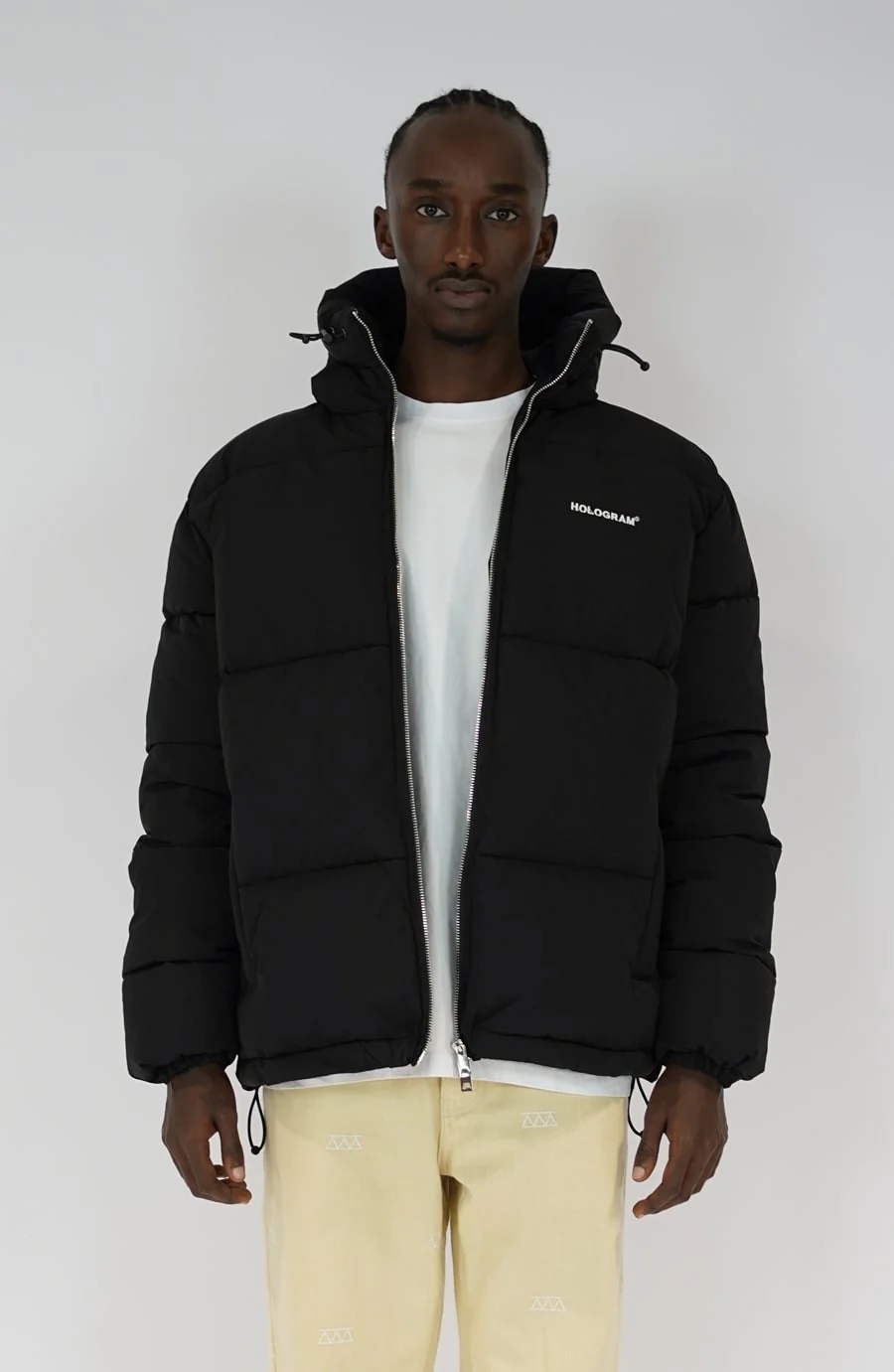
👉 Flexible MOQ gives smaller brands more room to grow gradually.
Service & Communication Experience
Good manufacturing service is about more than replying quickly.
Brands usually care about:
- Production updates
- Timeline clarity
- Revision handling
- Problem-solving efficiency
👉 Strong communication helps reduce production mistakes significantly.
Workflow Communication
Fuki Apparel typically provides support during:
- Design review
- Sample revisions
- Bulk production updates
- Shipping coordination
👉 Structured communication improves manufacturing reliability.
Customization & Product Development
One of Fuki Apparel’s strongest areas is customization.
Supported options include:
- Custom fits
- Heavyweight cotton fabrics
- Specialty printing
- Embroidery
- Labels and packaging
- Vintage and acid washes
👉 Strong customization helps brands create more recognizable products.
Production Workflow & Delivery
The production workflow usually includes:
- Tech pack review
- Sampling
- Bulk approval
- Production planning
- QC inspection
- Shipping coordination
Typical Timelines
| Stage | Estimated Timeline |
|---|---|
| Sampling | 7–10 days |
| Bulk Production | 25–35 days |
👉 Timelines depend on product complexity and customization level.
Strengths & Potential Limitations
Strengths
- Strong streetwear customization
- Lower MOQ flexibility
- Structured workflows
- Better production consistency
- Scalable manufacturing support
Potential Limitations
Fuki Apparel may not be ideal for brands that:
- Only focus on ultra-low pricing
- Need massive fast-fashion volume immediately
- Require luxury couture-level craftsmanship
👉 The system is optimized for scalable modern apparel production.
Who Is Fuki Apparel Best For?
Fuki Apparel is especially suitable for:
1. Streetwear Brands
👉 Need stronger product identity and customization
2. DTC Fashion Brands
👉 Product consistency directly affects customer reviews
3. Startup Clothing Brands
👉 Need manageable MOQ with scalable systems
4. Growth-Stage Fashion Labels
👉 Require repeat production consistency
FAQs
Is Fuki Apparel good for startup brands?
Yes, especially because of lower MOQ and customization flexibility.
How consistent is the product quality?
The company focuses heavily on structured QC and sample-based production.
Why do brands choose Fuki Apparel?
Mostly for customization, consistency, and scalable workflows.
Is communication important in manufacturing?
Absolutely — strong communication reduces delays and production mistakes.
Conclusion
So, what is the overall customer experience with Fuki Apparel?
👉 Strong customization
👉 Better workflow organization
👉 Lower MOQ flexibility
👉 More consistent production systems
For many clothing brands,
those factors create a more reliable and scalable manufacturing experience compared to factories focused only on low pricing.
And in modern apparel manufacturing,
that long-term stability often matters more than short-term savings.
Internal Reference
👉 Build your brand with a scalable production partner: FukiApparel
Follow us for real production insights and updates:
- TikTok: Fuki Streetwear
- YouTube: Fuki Apparel
- Instagram: Fuki Streetwear
