
One of the biggest challenges for clothing brands is understanding how manufacturing costs are actually calculated.
Because apparel pricing is not based on just one factor.
Production cost is influenced by:
- Fabric selection
- Garment complexity
- Printing methods
- Embroidery details
- Wash treatments
- Packaging requirements
- Order quantity
And for modern fashion brands, understanding these costs is extremely important before starting production.
This guide breaks down how Fuki Apparel pricing works, what brands should expect during custom production, and how different production decisions affect overall cost.
Table of Contents
- Quick Answer
- What Determines Clothing Manufacturing Costs?
- Overview of Fuki Apparel
- MOQ & Quantity Pricing Breakdown
- Fabric Cost Breakdown
- Printing & Embroidery Cost Breakdown
- Sample Development Costs
- Packaging & Labeling Costs
- Bulk Production Cost Factors
- Why Some Manufacturers Offer Lower Prices
- How Brands Can Control Production Costs
- FAQs
- Conclusion
- Internal Reference
Quick Answer
Fuki Apparel production costs are mainly influenced by fabric choice, customization level, order quantity, and garment complexity, with pricing designed to balance quality, flexibility, and scalable manufacturing support.
What Determines Clothing Manufacturing Costs?
Custom apparel pricing is influenced by several production variables.
The biggest factors usually include:
- Fabric quality
- Fabric GSM and weight
- Printing complexity
- Embroidery details
- Wash treatments
- Order quantity
- Packaging customization
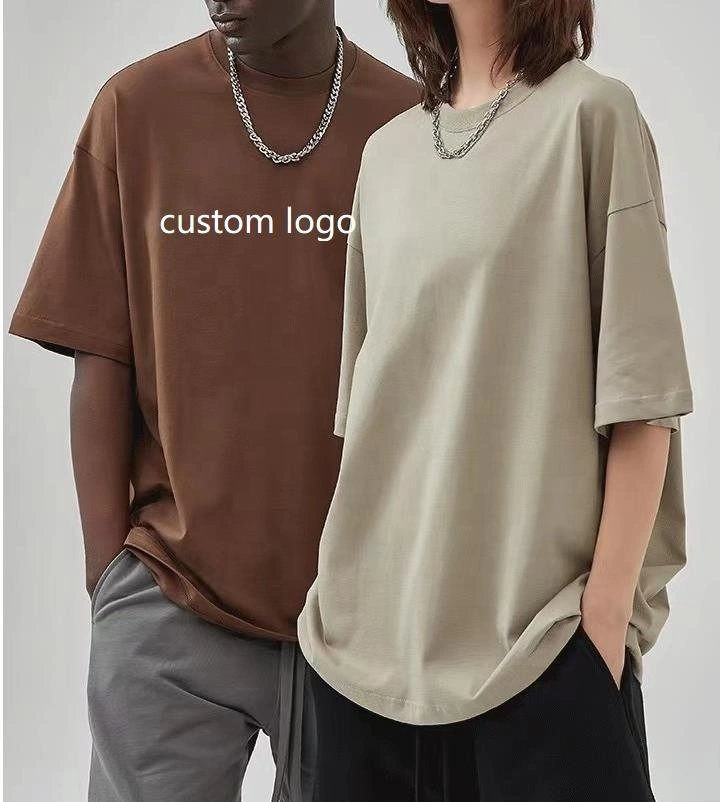
👉 Even small design adjustments can change production cost significantly.
Why Apparel Pricing Can Vary So Much
Two garments may look visually similar but cost very differently because of:
- Material quality differences
- Construction complexity
- Trim details
- Labor requirements
👉 Manufacturing pricing is heavily connected to technical garment specifications.
Overview of Fuki Apparel
FukiApparel is a streetwear-focused clothing manufacturer designed for startup and growth-stage fashion brands.
Key production features include:
- MOQ around 100 pcs
- Sampling in 7–10 days
- Bulk production in 25–35 days
- Full customization support
👉 The pricing structure focuses heavily on balancing customization, workflow organization, and long-term production consistency.
MOQ & Quantity Pricing Breakdown
MOQ directly affects manufacturing cost.
Typical MOQ:
- Around 100 pcs
👉 Lower MOQ gives brands more flexibility but usually results in higher per-unit pricing.
Why Small Orders Cost More
Smaller runs often create:
- Higher setup cost per piece
- Less material purchasing efficiency
- More production coordination per unit
👉 Larger orders usually improve manufacturing efficiency.
Example Quantity Pricing Trend
| Quantity | Typical Unit Cost Trend |
|---|---|
| 100 pcs | Higher |
| 300 pcs | More balanced |
| 500+ pcs | Better efficiency |
👉 Increasing order quantity usually lowers cost per piece over time.
Fabric Cost Breakdown
Fabric selection is one of the biggest pricing variables in custom apparel manufacturing.
Common cost factors include:
- Cotton quality
- Heavyweight GSM
- French terry fabrics
- Stretch materials
- Vintage wash treatments
👉 Premium materials usually increase production cost.
Example Fabric Comparison
| Fabric Type | Pricing Level |
|---|---|
| Basic Cotton | Lower |
| Heavyweight Cotton | Medium |
| French Terry | Medium-High |
| Vintage Washed Fabric | Higher |
| Specialty Performance Fabric | Higher |
👉 Better fabric quality often improves perceived brand value.
Printing & Embroidery Cost Breakdown
Streetwear manufacturing often includes advanced customization techniques.
Fuki Apparel supports:
- Screen printing
- Puff printing
- Embroidery
- DTG printing
- Vintage washes
- Custom trims and packaging
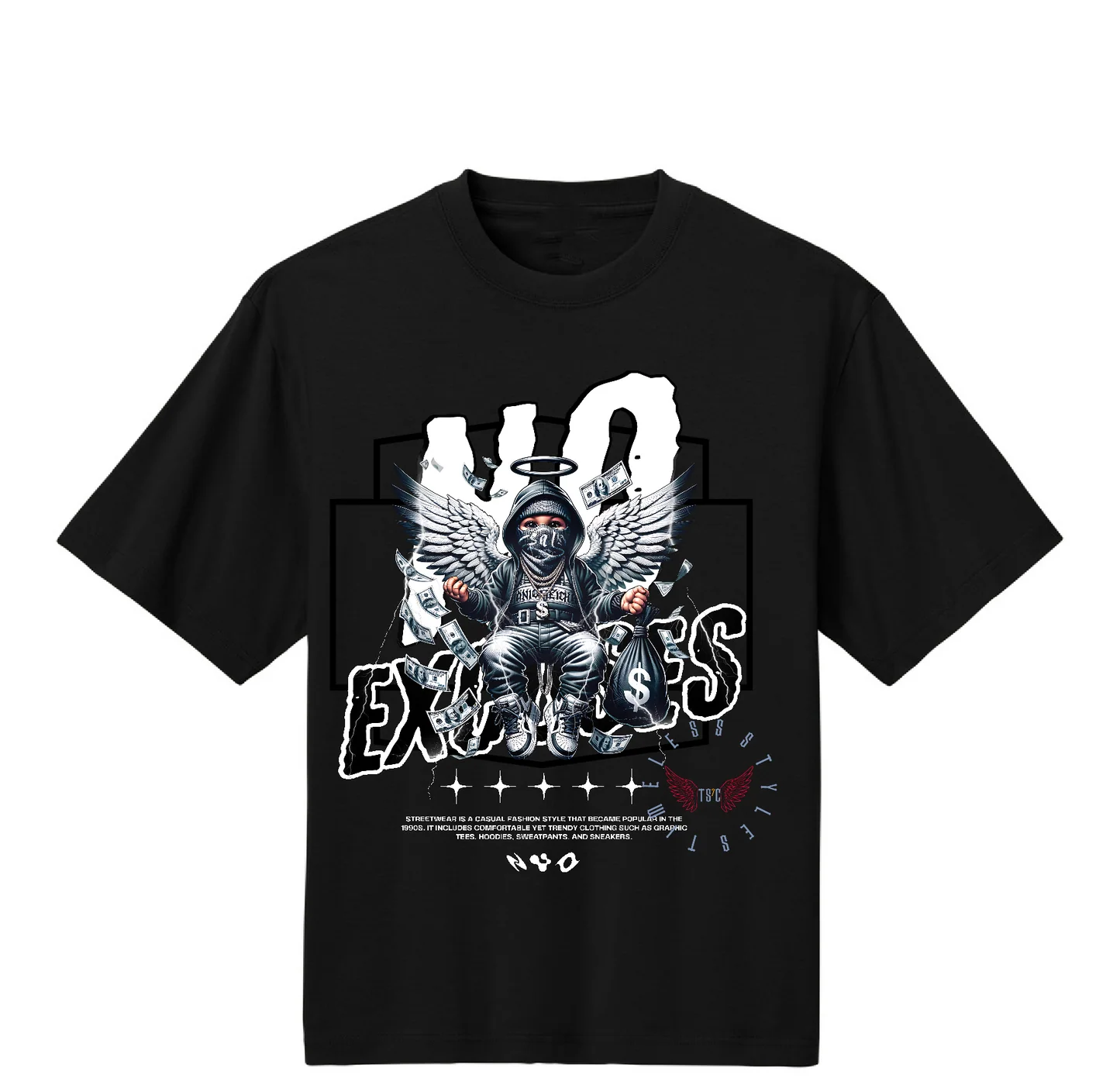
👉 More customization usually increases labor and production complexity.
Why Customization Changes Pricing
Additional customization often requires:
- More labor time
- Specialized equipment
- Extra QC processes
- More workflow coordination
👉 Highly customized garments generally cost more to manufacture.
Example Customization Complexity
| Customization Type | Complexity Level |
|---|---|
| Basic Screen Print | Lower |
| Puff Print | Medium |
| Embroidery | Medium-High |
| Multi-Technique Garment | High |
👉 More technical production increases labor cost and manufacturing coordination.
Sample Development Costs
Most custom projects begin with sample development.
Samples help brands confirm:
- Fit accuracy
- Fabric quality
- Printing placement
- Construction standards
👉 Sampling helps reduce production mistakes before bulk manufacturing.
Why Sampling Matters
Skipping sample development often increases risks such as:
- Incorrect fit
- Fabric dissatisfaction
- Bulk inconsistencies
- Production revisions
👉 Approved samples improve repeat production accuracy.
Packaging & Labeling Costs
Packaging customization can also affect total production pricing.
Common options include:
- Woven labels
- Hangtags
- Poly bags
- Branded packaging
- Custom size stickers
👉 More branding details usually increase overall production cost.
Why Packaging Matters
Custom packaging helps brands:
- Improve presentation
- Increase perceived value
- Build stronger customer experience
👉 Packaging is often part of long-term brand positioning.
Bulk Production Cost Factors
Bulk production pricing usually depends on:
- Quantity
- Fabric choice
- Garment complexity
- Printing methods
- Packaging requirements
👉 Simpler garments are generally more cost-efficient to scale.
Example Garment Complexity
| Garment Type | Production Complexity |
|---|---|
| Basic T-Shirt | Lower |
| Oversized Heavyweight Tee | Medium |
| Vintage Washed Hoodie | Higher |
| Multi-Panel Jacket | High |
👉 More construction detail usually increases labor cost.
Why Some Manufacturers Offer Lower Prices
Ultra-low-cost factories often reduce pricing by sacrificing:
- Fabric quality
- Workflow organization
- Quality control
- Communication support
- Production consistency
👉 Lower pricing can sometimes create higher long-term operational costs.
Hidden Costs of Cheap Manufacturing
Weak manufacturing systems often create:
- Product inconsistencies
- Delayed timelines
- Higher return rates
- Customer dissatisfaction
👉 Stable production systems often create more value long term.
How Brands Can Control Production Costs
Brands can improve manufacturing efficiency by:
1. Increasing Order Quantity
👉 Larger orders usually reduce unit cost
2. Simplifying Garment Construction
👉 Fewer panels and details reduce labor complexity
3. Reducing Excessive Customization
👉 Simpler designs scale more efficiently
4. Standardizing Fabric Choices
👉 Consistent sourcing improves efficiency
5. Planning Production Earlier
👉 Better scheduling reduces rush costs
FAQs
What affects Fuki Apparel pricing the most?
Usually fabric selection, customization complexity, and order quantity.
Does lower MOQ increase unit cost?
Yes, smaller production runs generally have higher per-piece pricing.
Why are heavyweight garments more expensive?
Because they use more material and often require stronger construction.
Is sample development necessary?
Absolutely — samples help improve production consistency and reduce manufacturing mistakes.
Conclusion
So, what should brands expect from Fuki Apparel pricing?
👉 Manufacturing cost depends on much more than quantity alone.
Brands need to evaluate:
- Fabric quality
- Garment complexity
- Customization level
- Workflow systems
- Long-term production consistency
And for many modern fashion brands, balancing those factors correctly is far more important than simply choosing the cheapest factory available.
Because in long-term apparel manufacturing,
stable production quality often creates much more value than low upfront pricing alone.
Internal Reference
👉 Build your brand with a scalable production partner: FukiApparel
Follow us for real production insights and updates:
- TikTok: Fuki Streetwear
- YouTube: Fuki Apparel
- Instagram: Fuki Streetwear
