
Table of Contents
- Quick Answer
- What Streetwear Originally Meant
- The Skateboarding Era: Streetwear’s Early Roots
- The Hip-Hop Influence on Streetwear
- The Rise of Global Streetwear Brands
- When Luxury Fashion Entered Streetwear
- Streetwear vs Traditional Fashion
- Why Streetwear Became a Global Industry
- What Modern Streetwear Brands Can Learn
- Streetwear Evolution Timeline
- FAQ
- Conclusion
- Internal Reference
Quick Answer
Streetwear evolved from small skate communities and underground culture into one of the most influential forces in global fashion.
The transformation happened through several stages:
- Skate culture in the 1980s
- Hip-hop influence in the 1990s
- Global streetwear brands in the 2000s
- Luxury fashion collaborations in the 2010s
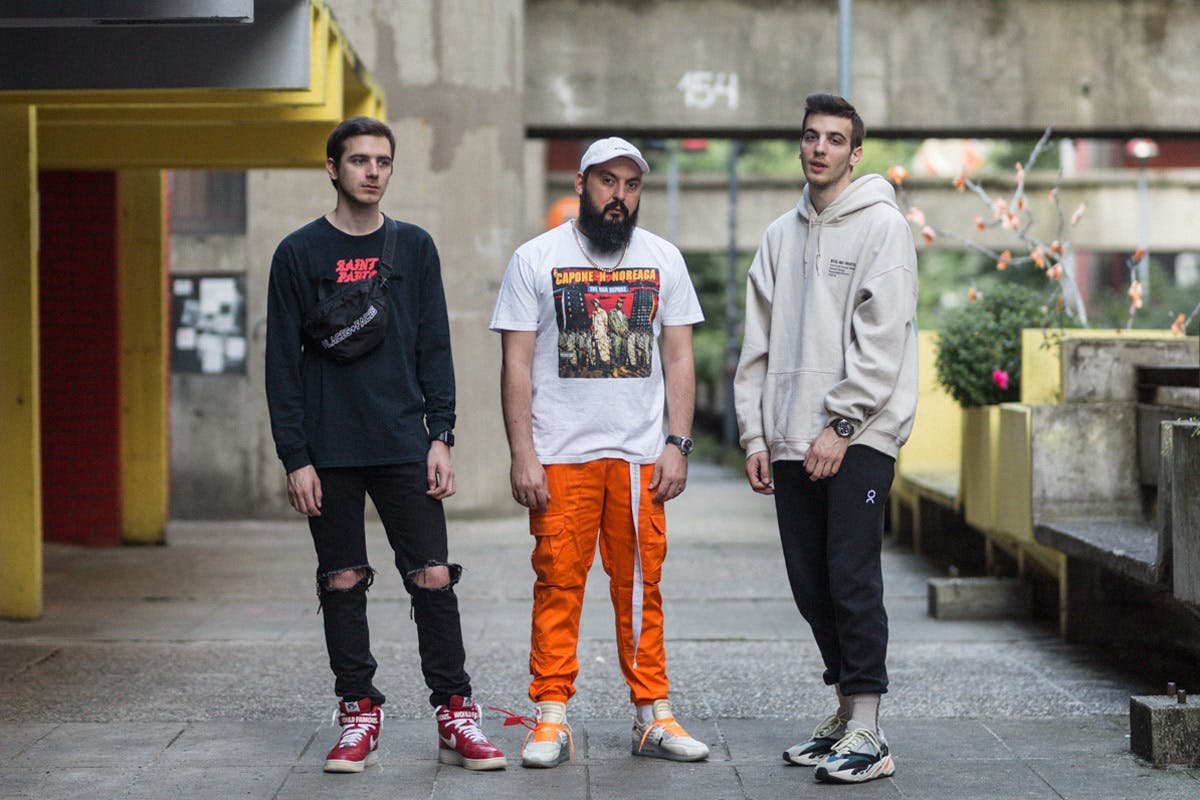
From my experience working with streetwear manufacturers and watching new brands grow, the key reason streetwear succeeded is simple: it connects fashion with culture and community.
What Streetwear Originally Meant
Originally, streetwear was not about fashion trends.
It was about identity and culture.
Early streetwear clothing reflected:
- skateboarding culture
- graffiti art
- underground music scenes
- youth rebellion
Streetwear garments were often simple:
- graphic T-shirts
- hoodies
- caps
- baggy pants
What made them special was the message behind the designs, not just the clothing itself.
Streetwear media outlets such as Hypebeast – Streetwear Culture regularly highlight how culture and community shaped early streetwear brands.
The Skateboarding Era: Streetwear’s Early Roots
In the 1980s, skateboarding communities played a huge role in shaping streetwear.
Skaters preferred clothing that allowed movement and durability, such as:
- loose T-shirts
- baggy pants
- durable sneakers
Small brands started printing graphics on shirts and selling them locally.
These brands were often created by skaters for skaters, which made them feel authentic.
Over time, this style spread beyond skate parks and into urban fashion.
The Hip-Hop Influence on Streetwear
During the 1990s, hip-hop culture brought streetwear into mainstream attention.
Rappers and music artists began wearing:
- oversized hoodies
- baggy denim
- bold graphic clothing
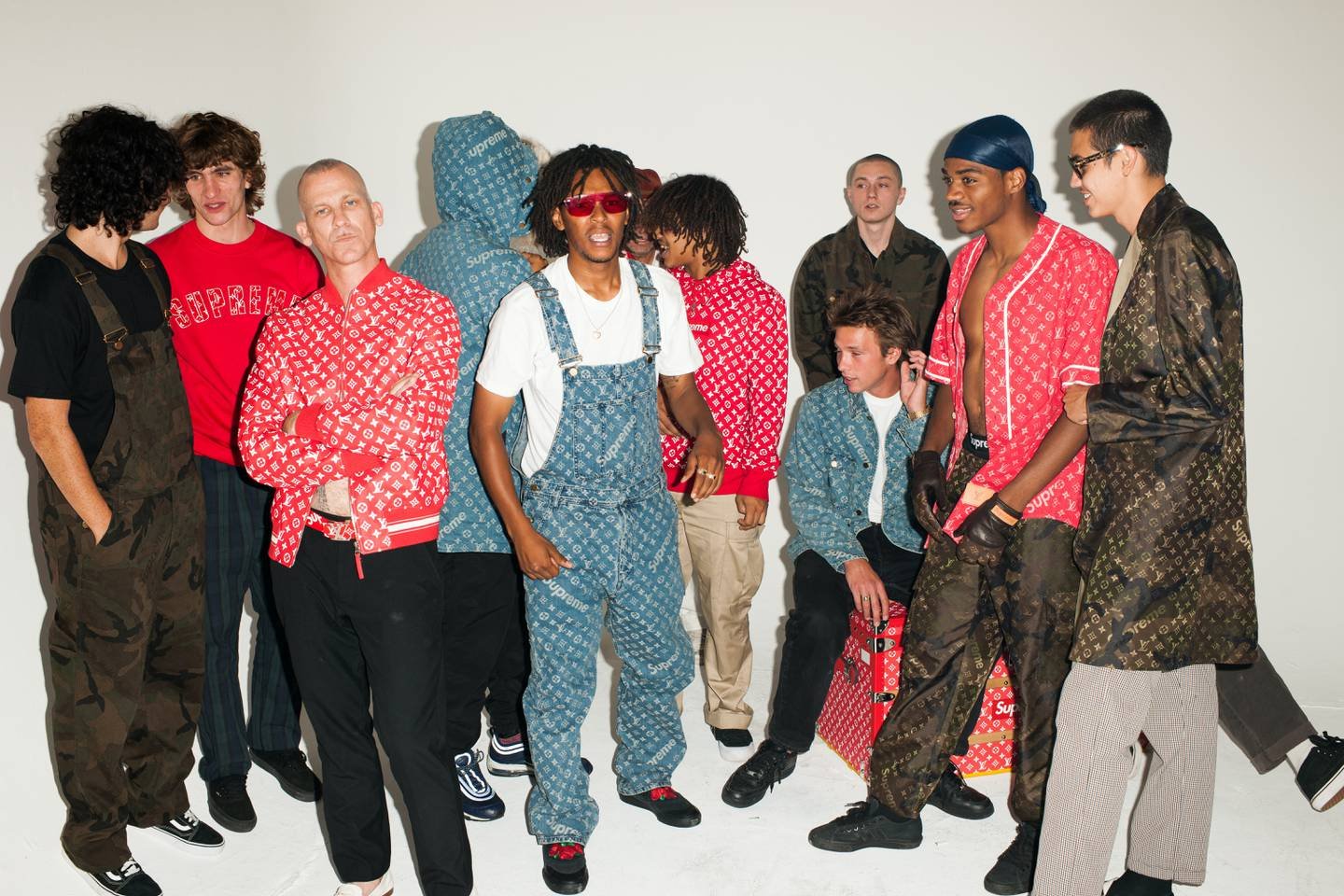
Hip-hop fashion emphasized individuality and confidence.
This era helped introduce streetwear to global audiences.
Fashion analysis platforms like Business of Fashion – Streetwear Industry often cite hip-hop culture as a major driver behind streetwear’s global influence.
The Rise of Global Streetwear Brands
In the early 2000s, streetwear began expanding beyond local communities.
Brands started building global audiences through limited product releases and collaborations.
Key characteristics of this era included:
- limited clothing drops
- graphic storytelling
- artist collaborations
- community-driven marketing
Streetwear brands began selling online, allowing them to reach international audiences.
This period marked the beginning of streetwear as a serious fashion business.
When Luxury Fashion Entered Streetwear
One of the biggest turning points for streetwear was when luxury fashion houses began collaborating with streetwear designers.
Luxury brands started adopting elements such as:
- oversized silhouettes
- graphic designs
- casual urban aesthetics
This crossover blurred the lines between street fashion and luxury fashion.
Streetwear suddenly appeared on fashion runways and global fashion weeks.
Media coverage from Highsnobiety – Fashion Industry regularly explores how this crossover changed the fashion industry.
Streetwear vs Traditional Fashion
| Feature | Streetwear | Traditional Fashion |
|---|---|---|
| Inspiration | Youth culture | Designers and fashion houses |
| Marketing | Community driven | Advertising driven |
| Product releases | Limited drops | Seasonal collections |
| Style focus | Casual urban | Formal and structured |
Streetwear challenged traditional fashion by prioritizing community and culture over luxury heritage.
Why Streetwear Became a Global Industry
Streetwear became a global industry for several reasons.
Cultural Authenticity
Streetwear reflects real communities and lifestyles.
Digital Marketing
Social media allowed brands to reach global audiences quickly.
Limited Drops
Scarcity created demand and excitement around product releases.
Together, these factors helped streetwear grow into a multi-billion-dollar fashion segment.
What Modern Streetwear Brands Can Learn
New streetwear brands can learn several lessons from this evolution.
Build a Cultural Identity
Successful brands represent more than clothing—they represent ideas and communities.
Focus on Community
Streetwear thrives on strong relationships with customers.
Maintain Authenticity
Consumers quickly recognize when brands try to imitate trends without genuine identity.
These lessons remain relevant for new brands today.
Streetwear Evolution Timeline
| Era | Key Influence |
|---|---|
| 1980s | Skate culture |
| 1990s | Hip-hop fashion |
| 2000s | Global streetwear brands |
| 2010s | Luxury fashion collaborations |
| 2020s | Digital culture and social media |
This timeline shows how streetwear transformed from niche culture into global fashion.
FAQ
Where did streetwear originate?
Streetwear originated from skateboarding and urban youth culture in the United States during the 1980s.
Why did luxury brands adopt streetwear?
Luxury brands recognized the cultural influence and global demand for streetwear aesthetics.
Is streetwear still growing?
Yes. Streetwear continues influencing both casual fashion and luxury fashion.
Can new brands still succeed in streetwear?
Yes. Brands that build strong identity and community connections can still succeed.
Conclusion
Streetwear has evolved from underground skate culture into one of the most influential movements in global fashion.
Its success comes from combining:
- cultural identity
- community engagement
- creative design
For modern brands, understanding the history of streetwear provides valuable insight into how fashion trends develop and how authentic brands grow.
Internal Reference
If you're building your own streetwear brand and need reliable production support, explore:
👉 Fuki Apparel – Streetwear Manufacturing Solutions
Experienced manufacturing partners can help transform streetwear concepts into high-quality apparel collections.
